

Hair loss in women is talked about far less than it should be. It affects roughly one in three women at some point in their lives, but it still gets dismissed, by GPs, by hairdressers, sometimes even by the women themselves who assume they’re overreacting.

You’re not. And there’s specialist help available in northwest Sydney without having to go into the city.

Why Women’s Hair Loss Is Different

Female hair loss usually doesn’t look like male pattern baldness. There’s rarely a receding hairline or a visible bald patch (at least not early on). Instead it tends to show up as a widening part, less volume at the crown, hair that feels thinner in your hands in the shower, or a ponytail that’s noticeably smaller than it used to be.

Because it’s subtle, it often gets missed, or put down to stress, ageing, or ‘just how things are.’ But those explanations don’t hold up when you look at the actual causes. Female hair loss is usually driven by something specific, and most of those causes have treatment options.

About Tricho Health Clinic

Tricho Health Clinic is run by Cassandra Hooper, a certified trichologist based in Grantham Farm in northwest Sydney. She specialises in hair and scalp conditions and sees a high proportion of female clients, many of whom have already been to their GP and been told there’s nothing they can do.

Cassandra takes a detailed clinical approach. Your first consultation covers everything: your full hair and medical history, a scalp assessment, discussion of your styling habits, medications, diet, stress levels, and anything else that might be relevant. The goal is to find the actual cause, not just manage the symptoms.
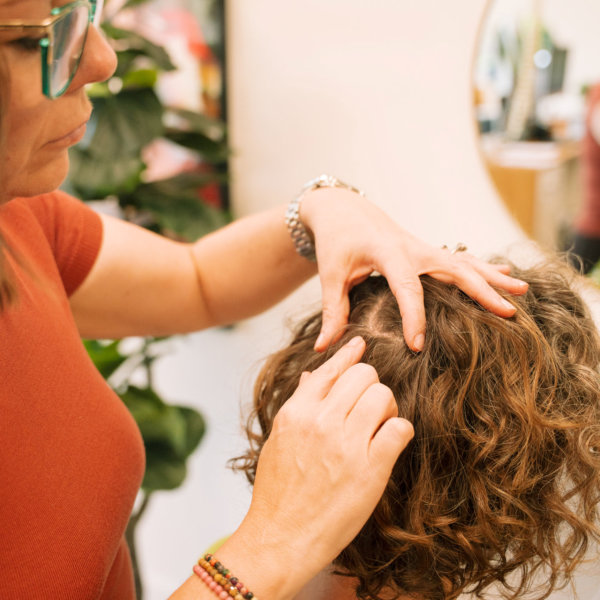
Hair loss treatments for men and women — Tricho Health Clinic Riverstone NSW

Common Causes of Hair Loss in Women

Hormonal hair loss is one of the most common. This includes androgenetic alopecia (female pattern hair loss), which is genetically influenced and tends to progress gradually over time. It also includes hair loss connected to thyroid conditions, polycystic ovarian syndrome, and perimenopause.

Traction alopecia affects women who regularly wear their hair pulled back tightly, braids, high ponytails, extensions, weaves. The damage accumulates over time and shows up first as thinning along the hairline. It’s one of the more avoidable types of hair loss, and one of the more reversible ones if caught early enough.

Postpartum hair loss is extremely common and usually temporary, but ‘usually temporary’ doesn’t mean you have to just wait it out without knowing what’s happening. Some women experience very heavy shedding that lasts longer than expected, and in those cases, assessment is worthwhile.

Nutritional deficiencies, particularly low ferritin (stored iron), are often behind hair loss in women of reproductive age. This is something a trichologist can identify and direct you towards testing for.

Autoimmune alopecia, including alopecia areata, alopecia totalis, and alopecia universalis, can affect women at any age. Treatment options vary depending on the extent and duration of loss, but there are options.

Scalp conditions like seborrheic dermatitis or psoriasis can drive inflammation that disrupts the hair growth cycle. These need proper treatment, not just symptom management.

You Deserve a Proper Answer

The most common thing Cassandra hears from new clients is some version of ‘I’ve been told it’s just stress’ or ‘my doctor said it’s normal.’ Sometimes that’s true. But very often it’s not, and there’s something specific going on that can be treated.

Getting a trichology consultation doesn’t commit you to anything. It gives you an actual diagnosis and a clear picture of your options. That’s worth a lot.

Clinic Location and Booking

Tricho Health Clinic is at Unit 2/43 Grantham Street, Grantham Farm NSW 2765. Clinic days are Mondays, 9am to 5pm. To book a consultation, call (02) 9627 3885 or visit the contact page at trichohealthclinic.com.au.

The clinic is easily accessible from across northwest Sydney including Windsor Road, Richmond Road, and the M7 corridor.

Frequently Asked Questions

A: Androgenetic alopecia (female pattern hair loss) is the most common. It usually presents as gradual thinning across the top of the scalp rather than a receding hairline. Traction alopecia is also very common, particularly in women who regularly wear tight hairstyles

A: It varies widely. Androgenetic alopecia can start in the twenties but often becomes more noticeable in the thirties and forties. Traction alopecia can affect women of any age. Postpartum hair loss typically starts 3 to 6 months after giving birth. There’s no single ‘normal’ timeline.

A: It depends on the cause. Traction alopecia caught early is often fully reversible. Postpartum shedding usually resolves within 12 months. Androgenetic alopecia can be slowed and managed. Autoimmune alopecia is unpredictable but has treatment options. The sooner you get assessed, the more options you have.

A: Yes, and it’s more common than most people realise. Oestrogen and progesterone shifts — during pregnancy, postpartum, perimenopause, and when starting or stopping hormonal contraception — can all trigger hair loss. Thyroid conditions and PCOS are also commonly linked to hair thinning in women.

A: No referral is needed. You can book directly with Tricho Health Clinic. If further investigation is needed (such as blood tests), Cassandra can advise you on what to request from your GP.

A: A trichologist provides clinical assessment and diagnosis, not hair services. A hairdresser can notice hair loss but isn’t trained to diagnose the cause or recommend treatment. Seeing a trichologist is more like a medical consultation — the focus is on understanding what’s happening with your hair and scalp at a health level.