
Can PCOS Hair Loss Grow Back? What You Need to Know About Regrowth
If you’ve noticed your hair becoming thinner since being diagnosed with polycystic ovary syndrome (PCOS), there’s probably one question you keep coming back to: will my hair ever grow back?
Perhaps your ponytail feels noticeably smaller, your part has become wider, or you’re finding yourself arranging your hair differently to disguise areas that have lost volume. When your hair has always been part of how you recognise yourself, these changes can be difficult to accept, particularly when you’re unsure whether they’re temporary.
The encouraging news is that some women do experience improvements in hair density with appropriate treatment. However, PCOS-related hair loss doesn’t follow the same pattern for everyone, and the possibility of regrowth depends on what’s happening within the hair follicles, how long the changes have been occurring and whether other factors are contributing.
Understanding the difference between temporary shedding and progressive hair thinning is particularly important. They can look similar, but their potential for recovery and treatment approaches can be quite different.
Let’s look at whether PCOS hair loss can grow back, what may influence recovery and what realistic improvements might look like.
Can PCOS Hair Loss Really Grow Back?
Yes, PCOS-related hair loss can improve in some women, but complete regrowth isn’t guaranteed. The outcome depends largely on the type of hair loss involved and how the hair follicles respond to appropriate treatment.
PCOS can be associated with female pattern hair loss, where susceptible follicles gradually produce finer, shorter hairs through a process called follicle miniaturisation. As this process continues, hair density may decrease across the top of the scalp, particularly around the central part and crown.
Medical treatments may help slow this process and, in some cases, encourage affected follicles to produce thicker hairs. However, responses vary, and treatment may be more successful at stabilising thinning than restoring all the hair that has been lost.
It’s also possible for women with PCOS to experience temporary excessive shedding caused by something else, such as illness, significant stress, nutritional deficiencies or medication changes. This form of hair loss may have a different recovery pattern.
According to DermNet, treatment for female pattern hair loss generally aims to slow or prevent further progression, although some women experience regrowth. Treatment results vary, and long-term management is often necessary.
The important distinction is that hair regrowth, reduced shedding and preventing further thinning are three different outcomes. Understanding which one you’re working towards can help you set realistic expectations.
Why Does PCOS Cause Hair Thinning in the First Place?
PCOS is a hormonal condition that can involve increased androgen activity, insulin resistance and changes in menstrual cycles. Androgens, including testosterone, are naturally present in women, but their effects can vary depending on individual hormone levels and how sensitive different tissues are to them.
In some women, androgen activity influences genetically susceptible scalp hair follicles, causing them to produce progressively finer hairs. Over time, these hairs may become shorter and less visible, contributing to reduced overall density.
This doesn’t mean that every woman with PCOS will experience hair loss or that high testosterone levels are always present. Follicle sensitivity, genetics and other factors can contribute to thinning even when blood hormone levels are within the usual reference range.
Another complication is that PCOS can exist alongside unrelated causes of hair loss. A woman experiencing gradual thinning around her part may also develop temporary shedding after an illness, stressful period or nutritional deficiency.
Our main guide to PCOS and Hair Loss: Why It Happens and What You Can Do explains these hormonal influences and the different ways they may affect scalp hair.
What Determines Whether Your Hair Can Recover?
Several factors can influence how much improvement is possible. Although it’s understandable to want a straightforward answer, hair recovery depends on the underlying condition rather than the PCOS diagnosis alone.
1. The Type of Hair Loss You’re Experiencing
Female pattern hair loss involves gradual follicle miniaturisation. Treatment may help preserve existing density and encourage some follicles to produce thicker hairs, but recovery is variable.
Telogen effluvium, on the other hand, involves an increased number of hairs entering the resting phase of the growth cycle. When the triggering factor resolves, shedding often improves and hair density may gradually recover.
These conditions can occur together, which is why someone may notice excessive shedding alongside gradual thinning around the part or crown.
2. How Long the Thinning Has Been Happening
Earlier assessment may provide more opportunities to identify contributing factors and consider appropriate treatment before further density is lost.
When female pattern hair loss has progressed for a long time, achieving significant regrowth can become more difficult. However, the duration of thinning alone cannot predict how someone will respond to treatment.
If you’ve noticed changes for several years, that doesn’t mean seeking advice is pointless. Stabilising further loss may still be a meaningful outcome.
3. Whether Other Contributing Factors Are Present
Hair health can be affected by nutritional deficiencies, thyroid disorders, significant stress, illness and certain medications. When these factors contribute to excessive shedding, identifying and addressing them may support recovery.
For example, someone with PCOS who also has iron deficiency may experience increased shedding for reasons that aren’t directly related to androgen activity. Correcting a confirmed deficiency may help with that component of hair loss, although it won’t necessarily reverse underlying female pattern thinning.
Our article on The Most Common Root Causes of Hair Loss in Women explores why understanding overlapping causes is important.
4. The Treatment Used and Your Individual Response
Medical treatments for female pattern hair loss may help some women maintain or improve hair density. However, not everyone responds in the same way, and improvements usually take several months to become noticeable.
Some treatments need to be continued long-term to maintain their benefits. Stopping an effective treatment may allow the underlying hair loss process to resume.
Decisions about medications should always be made with a GP or dermatologist, particularly when pregnancy or pregnancy planning is relevant.
PCOS Hair Regrowth: Understanding Different Types of Recovery
Not all improvements in hair health mean the same thing. Someone may stop shedding excessively without regaining their previous density, while another person may experience visible thickening after medical treatment.
| Type of hair change | What recovery may look like | Important considerations |
|---|---|---|
| PCOS-associated female pattern hair loss | Reduced progression, stabilised density or some thickening with appropriate medical treatment | Complete regrowth cannot be guaranteed, and long-term management may be needed |
| Temporary shedding caused by illness or stress | Shedding may settle and new growth may gradually restore density | Recovery depends on the trigger resolving and whether other hair loss conditions are present |
| Shedding associated with a nutritional deficiency | Hair growth may improve once a confirmed deficiency is appropriately treated | Supplements are not a substitute for investigating other causes of thinning |
| Hair breakage from heat or chemical damage | New hair may grow in better condition while damaged lengths are gradually trimmed away | Products cannot permanently repair every form of structural hair damage |
| Mixed causes of hair loss | Some improvement may occur as individual contributing factors are addressed | Recovery may be partial, particularly if progressive patterned thinning is also present |
This table provides general information. A professional assessment and, where appropriate, medical investigations are needed to determine the cause of hair loss.
How Long Does PCOS Hair Regrowth Take?
One of the most frustrating aspects of hair recovery is how slowly visible changes occur. Even when treatment is helping, your hair won’t suddenly return to its previous thickness after a few weeks.
Hair follicles follow a natural growth cycle, and newly produced hairs need time to become long enough to contribute to visible density. With female pattern hair loss, medical treatment generally needs to be used consistently for several months before its effectiveness can be assessed.
DermNet advises that treatment for female pattern hair loss should generally continue for at least six months before the benefits are evaluated. Some women may require longer to see meaningful changes, and outcomes vary considerably.
A Realistic Hair Recovery Timeline
The following timeline provides a general guide to how hair changes may be monitored after appropriate treatment begins. It isn’t a promise of regrowth, and individual results can differ significantly.
| Timeframe | What may be happening | What to keep in mind |
|---|---|---|
| First 1–3 months | Treatment is underway, but visible improvement may be limited. Some treatments can initially increase shedding. | Avoid judging effectiveness too early or changing prescribed treatment without medical advice. |
| 3–6 months | Some women may notice reduced shedding or early changes in hair density. | Responses vary. Little visible change doesn’t necessarily establish whether treatment will ultimately help. |
| 6–12 months | Treatment response may become easier to assess through clinical review and consistent photographs. | Stabilisation may be a meaningful success even if substantial regrowth hasn’t occurred. |
| Beyond 12 months | Ongoing management may be needed to maintain improvements or limit progression. | Discuss continuing treatment and monitoring with your medical practitioner. |
These timeframes are broad estimates, particularly for medical treatment of female pattern hair loss. They do not predict an individual woman’s response or apply equally to every type of hair loss.
What Treatments May Help PCOS-Related Hair Regrowth?
Treatment depends on the underlying type of hair loss and the individual’s medical circumstances. There is no single treatment that reliably restores hair density for every woman with PCOS.
Medical Treatment for Female Pattern Hair Loss
Topical minoxidil is an established treatment option for female pattern hair loss. It may help slow progression and improve hair density in some women, although results vary and continued treatment is generally needed to maintain benefits.
Depending on individual circumstances, a doctor may also consider prescription treatments that influence androgen activity. These medicines require medical supervision and may be unsuitable during pregnancy or when planning pregnancy.
The 2023 International Evidence-based Guideline for PCOS acknowledges the psychological impact of female pattern hair loss and discusses the possible use of anti-androgen medication in selected patients, while recognising the limited evidence specifically in women with PCOS.
Medical treatments should be discussed with your GP or dermatologist, who can consider the diagnosis, potential benefits, side effects and your personal circumstances.
Managing Other Medical Contributors
If blood tests identify iron deficiency, thyroid dysfunction or another medical issue contributing to hair shedding, treating that condition may support recovery.
However, correcting a deficiency or improving PCOS-related metabolic health doesn’t guarantee reversal of female pattern hair loss. More than one process may be affecting the hair follicles.
Professional Hair and Scalp Assessment
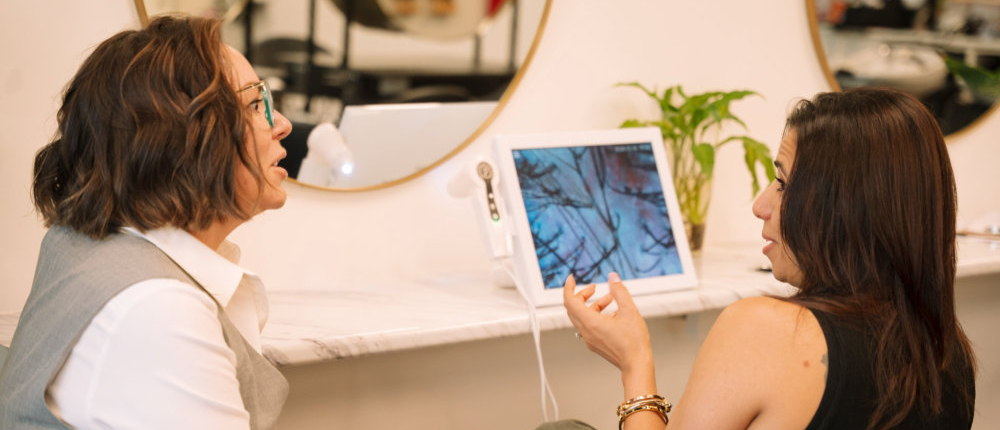
A hair and scalp assessment can help document visible changes in density, hair shaft thickness, shedding patterns and scalp condition.
At Tricho Health Clinic, Cassandra provides professional assessments and practical advice about hair and scalp health. This can complement medical investigation and provide a useful starting point for monitoring changes over time.
A trichologist does not diagnose PCOS or prescribe medical treatments. Those responsibilities remain with appropriately qualified medical practitioners.
For a closer look at the available options, read PCOS Hair Loss Treatment: What Works and What to Expect.
How Can You Tell If Your Hair Is Starting to Recover?
When you’ve been worried about thinning hair, it’s understandable to examine your part or hairline frequently, hoping to notice new growth. However, checking every day can make it harder to recognise meaningful changes.
Hair density varies in appearance depending on lighting, styling, washing and the angle from which you look at your scalp. What looks like improvement one day may simply reflect how your hair has been arranged.
If you’re monitoring recovery, consider taking occasional photographs of your central part and crown under similar lighting conditions. Using the same hairstyle and camera position makes comparisons more useful.
Signs worth discussing during a professional review may include reduced excessive shedding, improved hair shaft thickness, greater visible density or stabilisation of previously progressive thinning.
It’s also important to distinguish new growth from breakage. Short hairs around the hairline aren’t always evidence that follicles are recovering. Our article on New Hair Growth or Breakage? How to Tell the Difference explores this distinction.
Can Diet and Supplements Help PCOS Hair Grow Back?
Good nutrition supports normal hair growth, but supplements shouldn’t be viewed as a universal treatment for PCOS-related thinning.
Hair follicles require adequate protein, iron and other essential nutrients. If a genuine deficiency is contributing to shedding, appropriate treatment may help address that particular cause.
However, taking extra vitamins or minerals when levels are already adequate is unlikely to reverse androgen-related follicle miniaturisation. Excessive supplementation can also cause problems, and certain products may interfere with medications or laboratory investigations.
Women with PCOS may receive advice about managing insulin resistance, improving nutrition or making lifestyle changes. These measures can have important benefits for overall health, but they shouldn’t be presented as guaranteed ways to restore lost scalp hair.
Before spending money on hair growth supplements, read our guide to Hair Supplements for Hair Loss: What Works, What Doesn’t, and Why Diagnosis Comes First.
How to Look After Thinning Hair While Waiting for Regrowth
Even when you’re receiving appropriate treatment, waiting for visible improvements can be frustrating. In the meantime, small changes to your haircare routine may help protect existing hair and make fine or thinning hair easier to manage.
These adjustments won’t correct the hormonal causes of PCOS-related hair loss, but they can help reduce unnecessary damage and improve the condition and appearance of the hair you have.
Looking After Thinning Hair: What Helps?
Do: Use a gentle shampoo suited to your scalp, condition the lengths of your hair and handle wet hair carefully. Choose comfortable hairstyles that don’t pull tightly at the roots, and use lower heat settings when blow-drying or styling.
Consider: A haircut that creates the appearance of fullness without requiring excessive styling. Lightweight products may help finer hair maintain volume, while professional advice about colour and chemical treatments can help reduce avoidable damage.
Avoid: Tight hairstyles that place repeated tension on the hairline, aggressive brushing, frequent high-temperature styling and unnecessary chemical processing when your hair is already fragile.
Remember: Protecting existing hair from breakage can improve its appearance and manageability, but it does not replace treatment for progressive hair loss.
Myths About PCOS Hair Regrowth
Myth: Once PCOS Causes Hair Loss, It Can Never Grow Back
Fact: Some women experience stabilisation or improvement with appropriate treatment, while others may have limited regrowth. The outcome depends on the type of hair loss, the condition of the follicles and individual treatment response.
Myth: If You Treat Your PCOS, Your Hair Will Automatically Return to Normal
Fact: Managing PCOS is important for overall health, but improved hormonal or metabolic health doesn’t guarantee full hair regrowth. Female pattern hair loss may require specific medical treatment and ongoing management.
Myth: More Hair Falling Out Means Treatment Isn’t Working
Fact: Some hair loss treatments, including minoxidil, may initially cause increased shedding. This doesn’t always mean treatment has failed, although significant or persistent shedding should be discussed with the prescribing practitioner.
Myth: Hair Growth Supplements Work for Everyone
Fact: Supplements may be useful when a confirmed deficiency contributes to hair problems. There is limited evidence that taking additional vitamins or minerals without a deficiency can reverse PCOS-associated female pattern thinning.
Myth: If You Haven’t Seen Regrowth After a Month, Treatment Has Failed
Fact: Hair growth is slow, and medical treatments for female pattern hair loss usually need several months before their effectiveness can be meaningfully assessed. Your doctor can advise on an appropriate review timeframe.
When Should You Seek Professional Advice About PCOS Hair Loss?
If your hair is becoming progressively thinner, your central part is widening or you’re experiencing ongoing shedding, it’s worth seeking advice rather than waiting to see whether the problem resolves on its own.
Your GP can investigate possible medical causes, review your PCOS management and discuss whether referral to a dermatologist or other treatment is appropriate.
If you experience sudden or patchy hair loss, scalp pain, marked redness, scaling or signs of scarring, prompt medical assessment is particularly important. These symptoms may indicate a condition unrelated to PCOS.
Professional hair and scalp assessment can also provide useful information about the visible changes you’re experiencing and help establish a baseline for monitoring.
At Tricho Health Clinic in Riverstone, Cassandra combines more than 30 years of hair industry experience with her qualifications as a certified trichologist. Her assessments consider hair density, hair shaft condition, scalp health and relevant haircare practices, providing supportive guidance alongside appropriate medical care.
Learn more about When Should You See a Trichologist for PCOS Hair Loss?.
Hair Recovery Is About More Than Seeing New Growth
When you’re experiencing hair thinning, it’s natural to want your hair to return to exactly how it looked before. However, recovery doesn’t always mean restoring every strand of lost hair.
For some women, successful treatment means reduced shedding. For others, it means preserving the density they still have, slowing further thinning or achieving a gradual improvement in thickness.
Understanding what’s causing your hair loss is the most useful place to begin. PCOS may be an important contributing factor, but other issues can also affect shedding, density and hair condition.
With appropriate medical advice, realistic expectations and professional hair and scalp support, you can make more informed decisions about managing your hair over time.
Concerned About PCOS Hair Loss or Slow Regrowth?
If your hair is becoming thinner, you’re experiencing persistent shedding or you’re unsure whether new growth is occurring, a professional hair and scalp assessment can help you take a closer look at the visible changes.
At Tricho Health Clinic in Riverstone, Cassandra offers personalised, non-invasive assessments and practical advice about caring for thinning and fragile hair. Where medical treatment or investigation is required, this support can complement the care provided by your GP or dermatologist.
Book a Hair & Scalp Analysis at Tricho Health Clinic
This article provides general educational information and is not a substitute for medical advice, diagnosis or treatment. Tricho Health Clinic provides professional hair and scalp assessments and supportive care but does not diagnose PCOS or prescribe medical treatments.
Frequently Asked Questions
Can hair loss caused by PCOS grow back naturally?
Some women experience improvements in hair density without specific hair loss treatment, particularly when increased shedding is caused by temporary factors such as illness, stress or nutritional deficiencies. Once these contributing factors are addressed, hair growth may gradually recover. However, PCOS-associated female pattern hair loss involves progressive miniaturisation of susceptible follicles and is less likely to reverse spontaneously. Although some women experience periods of stability, significant regrowth may require appropriate medical treatment. It’s important to determine whether you’re experiencing temporary shedding, patterned thinning or a combination of both, as each condition has different recovery expectations. A professional hair and scalp assessment, alongside medical advice, can help you better understand what’s contributing to your hair loss.
How long does it take for PCOS hair to grow back?
The timeframe for PCOS hair regrowth depends on the underlying type of hair loss, its severity and how well the follicles respond to treatment. Hair grows slowly, so visible improvements generally take several months rather than weeks. Medical treatments such as topical minoxidil usually require consistent use for at least six months before their effectiveness can be properly assessed. Some women may notice reduced shedding before seeing changes in hair density, while others experience gradual thickening or stabilisation rather than substantial regrowth. If temporary shedding is contributing, recovery may follow a different timeline once the triggering factor has been addressed. Regular monitoring through photographs or professional assessments can help track changes without relying on day-to-day observations.
Will balancing my hormones reverse PCOS hair loss?
Managing the hormonal and metabolic factors associated with PCOS may help improve overall health and address some influences on hair growth, but balancing hormone levels doesn’t guarantee that thinning hair will return to its previous thickness. Hair follicles vary in their sensitivity to androgens, and genetics can influence whether female pattern hair loss develops or progresses. This means that hair thinning may continue even when hormone blood tests show improvement. Some women may benefit from medical treatments specifically targeting female pattern hair loss, depending on their circumstances. Your GP or dermatologist can assess hormonal factors and recommend appropriate treatment, while a trichologist can provide complementary guidance about hair density, scalp health and caring for thinning hair.
Can PCOS hair loss become permanent?
PCOS-associated female pattern hair loss can be progressive, and some loss of density may become difficult to reverse, particularly when follicle miniaturisation has been occurring for a long time. However, this doesn’t mean that everyone with PCOS-related thinning will experience permanent or extensive hair loss. Some women achieve stabilisation or partial regrowth with appropriate medical treatment, while others may experience limited improvement. The outcome depends on the underlying condition, the extent of follicle changes and individual treatment response. Temporary shedding caused by illness, stress or nutritional deficiencies may have a greater potential for recovery once the contributing factor is resolved. Seeking professional advice early can help identify the type of hair loss and provide an opportunity to consider suitable treatment before further progression.
Does minoxidil work for PCOS-related hair loss?
Topical minoxidil is an established treatment for female pattern hair loss and may help some women experiencing patterned thinning associated with PCOS. It influences the hair growth cycle and can encourage affected follicles to produce thicker hairs, although treatment responses vary considerably. Some women notice improvements in density, while others primarily experience slower progression or stabilisation of their hair loss. Minoxidil generally needs to be used consistently for several months before results can be assessed, and ongoing treatment is usually necessary to maintain its benefits. Stopping treatment may lead to the loss of hair that was maintained or regrown. Minoxidil isn’t suitable for everyone, particularly during pregnancy or when planning pregnancy, so it’s important to discuss its use, potential side effects and suitability with a pharmacist, GP or dermatologist.
How can I tell whether my PCOS hair is growing back?
Recognising genuine hair regrowth can be difficult because improvements happen gradually, and hair can look different depending on lighting, styling and washing. Possible signs include reduced excessive shedding, greater visible density around the central part or crown, or an increase in the thickness of previously finer hairs. However, short hairs around the hairline aren’t necessarily evidence of regrowth, as they may represent normal shorter hairs or breakage. Taking occasional photographs under similar lighting conditions can help you compare changes more reliably over time. A professional hair and scalp assessment may also help document differences in hair density and shaft thickness. It’s worth remembering that preventing further thinning can be a meaningful improvement, even if your hair doesn’t return to its previous fullness.
Can supplements help regrow hair lost through PCOS?
Supplements may support hair growth when a confirmed nutritional deficiency is contributing to shedding or impaired hair health. For example, women with iron deficiency may experience improvements once the deficiency is appropriately treated under medical guidance. However, taking additional vitamins, minerals, collagen or biotin without an identified deficiency is unlikely to reverse androgen-related follicle miniaturisation. Some supplements can interfere with medications or laboratory tests, while excessive amounts of certain nutrients may cause adverse effects. Women with PCOS may also receive dietary recommendations to support metabolic health, but these shouldn’t be confused with guaranteed hair regrowth treatments. Before investing in supplements, it’s worth discussing persistent hair loss with your GP to determine whether nutritional deficiencies or other medical factors may be contributing.
Should I see a trichologist if my PCOS hair isn’t growing back?
If your hair remains noticeably thinner, shedding continues or you’re unsure whether any regrowth is occurring, a professional hair and scalp assessment may provide useful information. A trichologist can examine visible changes in hair density, hair shaft thickness and scalp condition, discuss your hair loss history and offer practical advice about caring for thinning or fragile hair. However, trichologists don’t diagnose PCOS or prescribe medical treatments, so your GP or dermatologist should remain involved in investigating medical causes and discussing treatment options. At Tricho Health Clinic in Riverstone, Cassandra provides professional hair and scalp assessments that can complement medical care and help establish a baseline for monitoring changes over time. This can be particularly helpful when you’re trying to understand whether your hair is stabilising, continuing to thin or showing signs of improvement.
You may be also interested in
 https://www.trichohealthclinic.com.au/wp-content/uploads/2026/10/PCOS-and-Hair-Loss.jpg
500
1000
admin
https://www.trichohealthclinic.com.au/wp-content/uploads/2026/02/Tricho-Health-Clinic-Logo.png
admin2026-10-15 17:30:402026-10-15 17:30:40PCOS and Hair Loss: Why It Happens and What You Can Do
 https://www.trichohealthclinic.com.au/wp-content/uploads/2026/10/What-does-PCOS-Hair-Loss-Look-Like.jpg
500
1000
admin
https://www.trichohealthclinic.com.au/wp-content/uploads/2026/02/Tricho-Health-Clinic-Logo.png
admin2026-10-15 17:28:322026-10-15 17:28:32What Does PCOS Hair Loss Look Like? Early Signs of Thinning
 https://www.trichohealthclinic.com.au/wp-content/uploads/2026/10/Can-PCOS-Hair-Loss-Grow-Back.jpg
500
1000
admin
https://www.trichohealthclinic.com.au/wp-content/uploads/2026/02/Tricho-Health-Clinic-Logo.png
admin2026-10-15 17:21:272026-10-15 17:21:27Can PCOS Hair Loss Grow Back? What You Need to Know About Regrowth
 https://www.trichohealthclinic.com.au/wp-content/uploads/2026/10/PCOS-Hair-Loss-Treatment.jpg
500
1000
admin
https://www.trichohealthclinic.com.au/wp-content/uploads/2026/02/Tricho-Health-Clinic-Logo.png
admin2026-10-15 17:19:592026-10-15 17:19:59PCOS Hair Loss Treatment: What Works and What to Expect
 https://www.trichohealthclinic.com.au/wp-content/uploads/2026/10/PCOS-Hair-Loss-Connection.jpg
500
1000
admin
https://www.trichohealthclinic.com.au/wp-content/uploads/2026/02/Tricho-Health-Clinic-Logo.png
admin2026-10-15 17:18:132026-10-15 17:18:13PCOS Hair Loss vs Female Pattern Hair Loss: Understanding the Connection
 https://www.trichohealthclinic.com.au/wp-content/uploads/2026/10/PCOS-When-to-See-Trichologist.jpg
500
1000
admin
https://www.trichohealthclinic.com.au/wp-content/uploads/2026/02/Tricho-Health-Clinic-Logo.png
admin2026-10-15 17:16:442026-10-15 17:16:44When Should You See a Trichologist for PCOS Hair Loss?

