

Chronic Telogen Effluvium: When Hair Shedding Doesn’t Settle
Noticing more hair falling out than usual can feel alarming. For many women, it starts gradually — more strands on the brush, in the shower, or on the floor — and then continues for weeks or even months without settling.
If shedding seems ongoing and doesn’t return to normal, it may be linked to a condition known as Chronic Telogen Effluvium. While the experience can feel distressing, understanding what’s happening can bring clarity and reassurance.
If you’re still exploring different types of hair loss, you may find this helpful: Understanding Different Types of Hair Loss in Women.
What Is Chronic Telogen Effluvium?
Chronic Telogen Effluvium (often shortened to CTE) is a form of ongoing hair shedding that continues for longer than expected. It occurs when a higher number of hair follicles shift into the resting (telogen) phase of the hair cycle and remain there over time.
In a normal hair cycle, a small percentage of hairs are always shedding. However, with Chronic Telogen Effluvium, this balance is disrupted, leading to noticeable and persistent hair fall.
According to the Cleveland Clinic, telogen effluvium is linked to changes in the hair growth cycle rather than permanent damage to the hair follicle itself. This distinction is important, as it means the follicles are typically still capable of producing hair.
You can also read more about how this process works in Telogen Effluvium Explained.
Why Does the Shedding Continue?
One of the most confusing aspects of Chronic Telogen Effluvium is that shedding doesn’t seem to stop. Many women expect hair fall to settle within a few weeks, but with CTE, it can continue for several months or longer.
This ongoing shedding is often linked to internal factors that remain unresolved or are fluctuating. Instead of a single trigger, there may be multiple influences affecting the hair cycle at the same time.
Common contributing factors can include:
- Ongoing stress (emotional or physical)
- Hormonal changes, including perimenopause or postpartum shifts
- Nutritional imbalances
- Illness or recovery from illness
- Significant lifestyle changes
Because these factors may overlap, the hair cycle can remain disrupted for longer than expected.
What Does Chronic Telogen Effluvium Look Like?
Unlike some other types of hair loss, Chronic Telogen Effluvium does not usually create defined bald patches. Instead, it presents as diffuse shedding across the scalp.
You may notice:
- Increased hair fall when brushing or washing your hair
- More hair on your pillow, clothing, or floor
- A general feeling that your hair is thinner overall
- A reduction in volume rather than specific areas of loss
Many women describe the experience as “my hair is everywhere,” rather than noticing a particular spot where hair is missing.
This type of shedding can feel more dramatic than it actually is, especially because it’s visible day-to-day.
Why It Can Feel Worse Than It Is
Hair shedding is one of the most visible types of hair change, which can make it feel more severe and overwhelming.
Seeing large amounts of hair fall can create a sense of urgency or panic, even when the underlying condition is related to the hair cycle rather than permanent follicle damage.
Because hair loss is so closely linked to identity and confidence, even temporary or non-scarring forms of hair loss can have a significant emotional impact.
This is why clear information and proper assessment can make such a difference — not just physically, but emotionally as well.
How Is It Different from Other Types of Hair Loss?
Chronic Telogen Effluvium can sometimes be confused with other types of hair loss, particularly those that also involve thinning or changes in density.
Compared to Female Pattern Hair Loss
Female Pattern Hair Loss typically involves gradual thinning in specific areas, such as the crown or part line.
In contrast, Chronic Telogen Effluvium tends to involve shedding across the entire scalp, without a defined pattern.
Compared to Autoimmune Hair Loss
Conditions like Alopecia Areata often present as distinct patches of hair loss.
Chronic Telogen Effluvium does not usually create patchy areas and instead affects overall density.
Compared to Scarring Alopecia
Scarring types of hair loss, such as Scarring Alopecia, involve changes to the scalp itself and may include inflammation or sensitivity.
Chronic Telogen Effluvium does not typically involve visible scalp changes.
Understanding these differences is important, as each type of hair loss follows a different pattern and requires a different approach to assessment.
Common Triggers That May Contribute
Chronic Telogen Effluvium is often influenced by internal changes rather than a single external cause.
Some of the more common contributing factors include:
- Hormonal fluctuations during menopause or postpartum
- Periods of prolonged stress
- Changes in diet or nutrient intake
- Recovery from illness or medical events
- Sudden lifestyle changes
If you’re experiencing hair changes during midlife, this article may also help: Hair Thinning During Menopause.
Because these triggers can overlap, it’s not always obvious what’s driving the shedding.
How Long Does It Last?
This is one of the most common questions women ask.
With Chronic Telogen Effluvium, shedding can continue for several months and, in some cases, longer depending on the contributing factors involved.
The timeline can vary from person to person, particularly if underlying triggers are ongoing or changing.
While this can feel frustrating, it’s important to remember that this type of hair loss is linked to the hair cycle rather than permanent follicle damage.
When Should You Seek Support?
It may be helpful to seek professional input if you notice:
- Shedding that continues for more than a few months
- A noticeable reduction in hair volume
- Ongoing concern or uncertainty about what’s happening
- Hair changes during menopause or after a stressful period
If you’re unsure whether your changes should be assessed, this article may help guide you: When Hair Changes During Menopause Should Be Assessed.
How a Trichology-Based Assessment Can Help
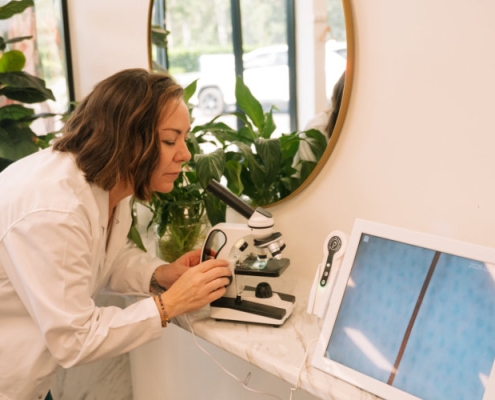
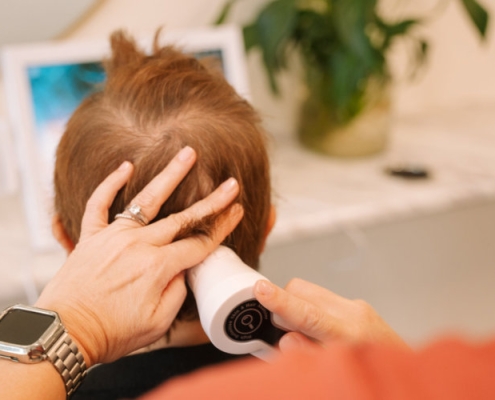
At Tricho Health Clinic, the focus is on understanding what may be influencing your hair cycle rather than making assumptions.
This involves looking at your hair and scalp condition alongside factors such as lifestyle, nutrition, and recent changes in your health or environment.
You can learn more about this process here: Hair & Scalp Analysis.
Where appropriate, this may be supported by personalised guidance through Hair Loss Treatments and ongoing care via Personalised Treatment Plans & Follow Up Care.
Final Thoughts
Chronic Telogen Effluvium can feel overwhelming, particularly when shedding doesn’t seem to settle. While the experience can be unsettling, it is often linked to changes in the hair cycle rather than permanent damage.
Understanding what may be contributing to the shedding is an important step toward feeling more in control and supported.
If you’re unsure about what you’re experiencing, seeking guidance can help you make sense of the changes and explore your next steps with clarity.
References
Frequently Asked Questions
What is Chronic Telogen Effluvium?
Chronic Telogen Effluvium is a form of ongoing hair shedding where more hairs than usual enter the resting phase of the hair cycle and are shed over time.
How long does Chronic Telogen Effluvium last?
It can last for several months or longer, depending on the contributing factors affecting the hair cycle.
Is Chronic Telogen Effluvium permanent?
It is generally associated with changes in the hair cycle rather than permanent damage to the hair follicles.
What causes Chronic Telogen Effluvium?
It may be influenced by factors such as stress, hormonal changes, illness, or nutritional imbalances.
How is it different from Female Pattern Hair Loss?
Chronic Telogen Effluvium involves shedding across the scalp, while Female Pattern Hair Loss typically shows gradual thinning in specific areas.
Can stress cause ongoing hair shedding?
Yes, ongoing stress can influence the hair cycle and contribute to prolonged shedding.
When should I get my hair checked?
If shedding continues for several months or you’re unsure what’s causing the change, a professional assessment can help provide clarity.
What does a hair and scalp analysis involve?
It involves assessing the scalp, hair density, and contributing lifestyle or health factors to better understand what may be influencing hair changes.
You may be also interested in
 https://www.trichohealthclinic.com.au/wp-content/uploads/2026/04/Understanding-Different-Types-of-Hairloss.jpg
500
1000
admin
https://www.trichohealthclinic.com.au/wp-content/uploads/2026/02/Tricho-Health-Clinic-Logo.png
admin2026-10-12 15:13:442026-08-19 15:14:29Understanding Different Types of Hair Loss in Women
 https://www.trichohealthclinic.com.au/wp-content/uploads/2026/04/Chronic-Telogen.jpg
500
1000
admin
https://www.trichohealthclinic.com.au/wp-content/uploads/2026/02/Tricho-Health-Clinic-Logo.png
admin2026-10-07 15:13:432026-08-19 15:14:15Chronic Telogen Effluvium: When Hair Shedding Doesn’t Settle
 https://www.trichohealthclinic.com.au/wp-content/uploads/2026/04/Female-Pattern-Hair-Loss.jpg
500
1000
admin
https://www.trichohealthclinic.com.au/wp-content/uploads/2026/02/Tricho-Health-Clinic-Logo.png
admin2026-10-05 15:13:422026-08-19 15:14:09Female Pattern Hair Loss: How It Differs from Temporary Shedding
 https://www.trichohealthclinic.com.au/wp-content/uploads/2026/04/Scarring-Alopecia.jpg
500
1000
admin
https://www.trichohealthclinic.com.au/wp-content/uploads/2026/02/Tricho-Health-Clinic-Logo.png
admin2026-10-02 15:13:292026-08-19 15:13:40Scarring Alopecia (Cicatricial Alopecia): What It Means and Why It Matters
 https://www.trichohealthclinic.com.au/wp-content/uploads/2026/04/Anagen-Effluvium.jpg
500
1000
admin
https://www.trichohealthclinic.com.au/wp-content/uploads/2026/02/Tricho-Health-Clinic-Logo.png
admin2026-10-01 15:13:022026-08-19 15:13:26Anagen Effluvium: Sudden Hair Loss and Its Underlying Triggers
 https://www.trichohealthclinic.com.au/wp-content/uploads/2026/04/Alopecia-Areata.jpg
500
1000
admin
https://www.trichohealthclinic.com.au/wp-content/uploads/2026/02/Tricho-Health-Clinic-Logo.png
admin2026-04-24 14:06:502026-08-11 11:05:40Alopecia Areata in Women: Causes, Patterns, and What to Expect

