
Understanding Different Types of Hair Loss in Women
Hair changes can feel unsettling, especially when they happen suddenly or without a clear reason. Many women notice increased shedding, thinning, or changes in texture and aren’t sure what’s normal and what isn’t.
The truth is, “hair loss” is not a single condition. There are several different types of hair loss, each with its own patterns, triggers, and underlying factors. Understanding the differences is an important first step toward finding clarity and support.
This guide will walk you through the most common types of hair loss seen in women, what they may look like, and when it may be helpful to seek a professional assessment.
Why Hair Loss in Women Is Often Misunderstood
Hair loss in women is rarely straightforward. It doesn’t always present as obvious bald patches or dramatic loss. In many cases, it shows up as subtle thinning, increased shedding, or a gradual change in density over time.
What makes it more confusing is that multiple factors can overlap. Hormonal shifts, stress, nutritional changes, genetics, and scalp health can all influence what you’re seeing — sometimes at the same time.
Online advice can add to this confusion. Generalised tips are often applied to very different conditions, which can leave women feeling unsure about what actually applies to them.
According to sources such as DermNet NZ and the American Academy of Dermatology, identifying the type of hair loss is one of the most important steps in understanding what may be happening.
How the Hair Growth Cycle Affects Hair Loss
To understand hair loss, it helps to know how the hair growth cycle works.
Each hair follicle moves through three main phases:
- Growth phase (anagen) – where the hair actively grows
- Transition phase (catagen) – a short phase where growth slows
- Resting/shedding phase (telogen) – where hair is released and replaced
At any given time, most of your hair is in the growth phase. However, when this cycle is disrupted, more hairs may shift into the shedding phase — leading to noticeable hair fall.
This is what happens in conditions like Chronic Telogen Effluvium, where shedding continues beyond the expected timeframe.
You can explore this further in Telogen Effluvium Explained.
Main Types of Hair Loss in Women
Hair loss can be grouped into several broad categories. These categories help guide understanding, although individual experiences may vary.
1. Ongoing Shedding (Telogen Effluvium)
One of the most common concerns women experience is ongoing shedding. This can feel alarming, particularly when hair seems to fall out in larger amounts than usual.
Chronic Telogen Effluvium occurs when a higher number of hairs shift into the shedding phase and remain there for an extended period.
This type of hair loss is often linked to internal changes such as stress, illness, hormonal shifts, or nutritional imbalances. According to the Cleveland Clinic, this condition is usually related to a disruption in the normal hair cycle rather than damage to the follicle itself.
Although it can be distressing, the hair follicles are typically still active.
2. Female Pattern Hair Loss
Female Pattern Hair Loss is one of the most common long-term types of hair thinning in women.
It usually presents as gradual thinning through the part line, crown, or overall density. Unlike shedding conditions, it tends to progress slowly over time.
This type of hair loss is influenced by genetic and hormonal factors and often becomes more noticeable during life stages such as perimenopause and menopause.
If you’re unsure whether your changes are hormonally driven or pattern-based, this article on Hormonal Hair Changes vs Pattern Hair Loss can help clarify the difference.
3. Autoimmune Hair Loss
Autoimmune-related hair loss occurs when the immune system targets the hair follicles.
Alopecia Areata is the most recognised form and typically presents as small, round patches of hair loss.
In some cases, this may progress to:
- Alopecia Totalis – loss of all scalp hair
- Alopecia Universalis – loss of hair across the entire body
According to the Mayo Clinic and the American Academy of Dermatology, these conditions can vary in how they appear and progress, and may fluctuate over time.
4. Scarring (Cicatricial) Alopecia
Scarring alopecia refers to a group of conditions where inflammation affects the hair follicle and can lead to permanent changes if not identified early.
Examples include:
These conditions may involve symptoms such as scalp sensitivity, redness, or changes in skin texture.
The British Association of Dermatologists notes that early recognition of scarring alopecia is important for appropriate management pathways.
5. Hair Loss from Tension and Styling
Traction Alopecia develops when repeated tension is placed on the hair over time.
This can happen with tight hairstyles, extensions, or frequent pulling. It often affects areas such as the hairline or temples.
Because it develops gradually, it can be easy to overlook in the early stages.
6. Sudden Hair Loss in the Growth Phase
Anagen Effluvium occurs when hair is affected during its active growth phase.
This type of hair loss is usually more rapid and noticeable, often linked to significant internal stressors or medical treatments.
Unlike shedding conditions, it can result in a more sudden change in hair density.
How Life Stages Can Influence Hair Changes
Hair is highly responsive to what’s happening in the body. This is why many women notice changes during specific life stages.
Postpartum Period
After pregnancy, hormonal shifts can lead to increased shedding. This is a common experience and is often temporary.
Perimenopause and Menopause
Hormonal fluctuations during midlife can influence both shedding and thinning patterns. Some women notice changes in density, texture, or regrowth.
If you’re experiencing this, you may find these resources helpful:
High-Stress Periods
Emotional or physical stress can influence the hair cycle, sometimes leading to increased shedding weeks or months later.
Why Identifying the Type Matters
Although many hair concerns may look similar at first, the underlying causes can be very different.
For example, ongoing shedding may have different contributing factors compared to pattern thinning or autoimmune-related hair loss. Without understanding the type, it’s easy to apply advice that doesn’t match what’s actually happening.
Sources such as the Cleveland Clinic and Mayo Clinic highlight that different types of hair loss require different approaches to assessment and support.
When Should You Consider an Assessment?
It may be helpful to seek professional input if you notice:
- Shedding that continues for several months
- Visible thinning or widening of your part
- Sudden or patchy hair loss
- Scalp discomfort, redness, or sensitivity
- Changes that don’t improve over time
Getting clarity early can help you better understand what you’re experiencing and what factors may be contributing.
How a Trichology-Based Approach Supports Understanding
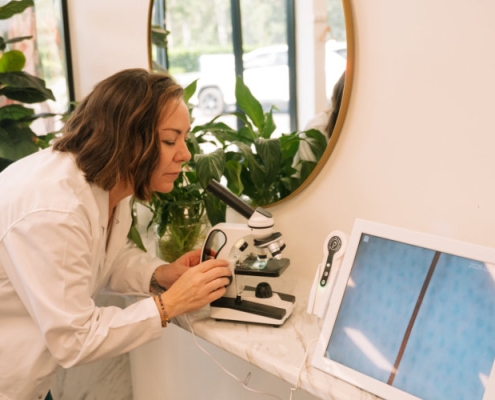
At Tricho Health Clinic, the focus is on understanding your individual hair and scalp environment before making any recommendations.
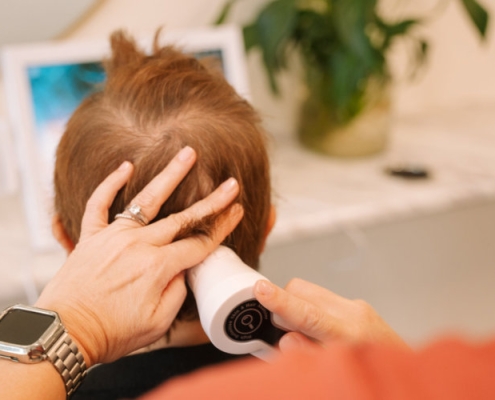
This includes reviewing your hair history, lifestyle factors, and relevant health information, alongside a close assessment of the scalp and hair condition.
You can learn more about this process here: Hair & Scalp Analysis.
Where appropriate, this may be supported by ongoing care through Personalised Treatment Plans & Follow Up Care.
Final Thoughts
Hair loss in women is rarely a one-size-fits-all situation. Different types of hair loss exist, and understanding those differences can make a significant impact on how you approach your next steps.
If you’re feeling unsure or overwhelmed, you’re not alone. With the right guidance and a structured approach, it becomes much easier to understand what’s happening and what to do next.
References
Frequently Asked Questions
What are the main types of hair loss in women?
Hair loss in women is generally grouped into categories such as temporary shedding (telogen effluvium), pattern hair loss, autoimmune conditions like alopecia areata, scarring alopecia, and hair loss caused by external factors such as traction or styling.
How do I know what type of hair loss I have?
Different types of hair loss can look similar, which is why a proper assessment is helpful. Looking at patterns, duration, and contributing factors can help identify what may be happening.
Is hair shedding always a sign of hair loss?
Not necessarily. Some level of shedding is normal. However, ongoing or excessive shedding over several months may indicate a disruption in the hair growth cycle.
Can stress cause different types of hair loss?
Yes, stress can influence the hair cycle and contribute to increased shedding. It may also interact with other underlying factors.
Is female pattern hair loss the same as temporary shedding?
No, they are different. Temporary shedding usually involves increased hair fall, while pattern hair loss tends to be more gradual and affects hair density over time.
When should I seek professional advice for hair loss?
If you notice ongoing shedding, visible thinning, patchy loss, or changes that don’t settle over time, it may be helpful to have your hair and scalp assessed.
Can hair loss during menopause be temporary?
Hair changes during menopause can vary. Some women experience temporary shedding, while others notice more gradual thinning related to hormonal shifts.
What does a hair and scalp assessment involve?
An assessment typically looks at your scalp condition, hair density, lifestyle factors, and overall hair history to build a clearer picture of what may be contributing to your hair concerns.
You may be also interested in
 https://www.trichohealthclinic.com.au/wp-content/uploads/2026/04/Understanding-Different-Types-of-Hairloss.jpg
500
1000
admin
https://www.trichohealthclinic.com.au/wp-content/uploads/2026/02/Tricho-Health-Clinic-Logo.png
admin2026-10-12 15:13:442026-08-19 15:14:29Understanding Different Types of Hair Loss in Women
 https://www.trichohealthclinic.com.au/wp-content/uploads/2026/04/Chronic-Telogen.jpg
500
1000
admin
https://www.trichohealthclinic.com.au/wp-content/uploads/2026/02/Tricho-Health-Clinic-Logo.png
admin2026-10-07 15:13:432026-08-19 15:14:15Chronic Telogen Effluvium: When Hair Shedding Doesn’t Settle
 https://www.trichohealthclinic.com.au/wp-content/uploads/2026/04/Female-Pattern-Hair-Loss.jpg
500
1000
admin
https://www.trichohealthclinic.com.au/wp-content/uploads/2026/02/Tricho-Health-Clinic-Logo.png
admin2026-10-05 15:13:422026-08-19 15:14:09Female Pattern Hair Loss: How It Differs from Temporary Shedding
 https://www.trichohealthclinic.com.au/wp-content/uploads/2026/04/Scarring-Alopecia.jpg
500
1000
admin
https://www.trichohealthclinic.com.au/wp-content/uploads/2026/02/Tricho-Health-Clinic-Logo.png
admin2026-10-02 15:13:292026-08-19 15:13:40Scarring Alopecia (Cicatricial Alopecia): What It Means and Why It Matters
 https://www.trichohealthclinic.com.au/wp-content/uploads/2026/04/Anagen-Effluvium.jpg
500
1000
admin
https://www.trichohealthclinic.com.au/wp-content/uploads/2026/02/Tricho-Health-Clinic-Logo.png
admin2026-10-01 15:13:022026-08-19 15:13:26Anagen Effluvium: Sudden Hair Loss and Its Underlying Triggers
 https://www.trichohealthclinic.com.au/wp-content/uploads/2026/04/Alopecia-Areata.jpg
500
1000
admin
https://www.trichohealthclinic.com.au/wp-content/uploads/2026/02/Tricho-Health-Clinic-Logo.png
admin2026-04-24 14:06:502026-08-11 11:05:40Alopecia Areata in Women: Causes, Patterns, and What to Expect

