

Female Pattern Hair Loss: How It Differs from Temporary Shedding
Hair thinning can be one of the most confusing and frustrating changes to navigate, particularly when it develops gradually over time. Many women notice that their hair feels less dense, their part appears wider, or their overall volume has reduced, but they are unsure whether this is temporary shedding or something more persistent.
One of the most common causes of long-term hair thinning in women is Female Pattern Hair Loss (FPHL). Unlike sudden or temporary shedding, this type of hair loss tends to develop gradually and follows a recognisable pattern. Understanding how it presents and how it differs from other types of hair loss can help bring clarity to what is happening.
If you are exploring different types of hair loss, you may find this helpful: Understanding Different Types of Hair Loss in Women.
What Is Female Pattern Hair Loss?
Female Pattern Hair Loss is a form of hair thinning that develops gradually over time and is influenced by a combination of genetic and hormonal factors. It is one of the most common types of hair loss seen in women, particularly during midlife.
According to DermNet NZ, pattern hair loss in women typically presents as a reduction in hair density rather than complete bald patches. This means that while the hair becomes finer and less dense, the scalp usually remains covered.
Unlike conditions that involve sudden shedding, Female Pattern Hair Loss reflects a gradual change in how the hair follicles function over time.
How Does Female Pattern Hair Loss Develop?
Female Pattern Hair Loss develops as the hair follicles gradually produce finer and shorter hairs over time. This process is often referred to as follicle miniaturisation, where each new hair cycle produces a thinner strand than the previous one.
Because this change happens slowly, it is not always immediately noticeable. Many women first become aware of it when their ponytail feels thinner, their part line appears wider, or their hair no longer holds the same volume it once did.
Hormonal influences, particularly changes in androgen sensitivity, are thought to play a role in this process. Genetic predisposition also contributes, which is why it may run in families.
What Does It Typically Look Like?
Female Pattern Hair Loss does not usually present as sudden or patchy hair loss. Instead, it follows a more gradual and diffuse pattern that affects overall density.
Common signs may include:
- A widening of the part line
- Reduced volume throughout the hair
- Thinning at the crown or top of the scalp
- Hair that feels finer or less dense over time
Unlike some other conditions, the frontal hairline is often preserved, although overall density may still be reduced.
How Is It Different from Temporary Shedding?
One of the most common questions women ask is whether their hair thinning is due to Female Pattern Hair Loss or temporary shedding.
Chronic Telogen Effluvium is a form of ongoing shedding where more hairs than usual enter the resting phase of the hair cycle. This often results in noticeable hair fall, particularly when washing or brushing the hair.
In contrast, Female Pattern Hair Loss does not typically involve large amounts of visible shedding. Instead, the change is more subtle and progressive, as the hair becomes finer over time.
The key difference is that shedding conditions affect the number of hairs being lost, while pattern hair loss affects the quality and thickness of the hair being produced.
If you are unsure which may apply to you, this comparison may help: Hormonal Hair Changes vs Pattern Hair Loss.
How Do Hormones Influence Hair Thinning?
Hormonal changes can play a significant role in Female Pattern Hair Loss, particularly during perimenopause and menopause. As hormone levels shift, the hair follicles may become more sensitive to these changes, which can influence how they function over time.
This does not mean that hormones are the only factor involved, but they are often part of a broader picture that includes genetics and overall health.
Many women notice that hair thinning becomes more apparent during midlife, which is why this stage is often associated with changes in hair density.
If you are experiencing changes during this time, you may find this helpful: Hair Thinning During Menopause.
Why It Can Be Difficult to Recognise Early
Because Female Pattern Hair Loss develops gradually, it can be difficult to recognise in its early stages. Unlike sudden hair loss, which is immediately noticeable, this type of thinning often becomes apparent only over time.
Many women adapt to small changes without realising that a pattern is developing. It is often only when comparing photos or noticing changes in styling that the difference becomes clear.
This gradual progression is one of the reasons why understanding the signs can be helpful in recognising the condition earlier.
How Is It Different from Other Types of Hair Loss?
Female Pattern Hair Loss differs from other types of hair loss in both its cause and presentation.
For example, Anagen Effluvium involves rapid hair loss during the growth phase, often following a significant internal trigger. This type of loss is sudden rather than gradual.
Similarly, Alopecia Areata presents as patchy hair loss due to immune system activity, rather than overall thinning.
Scarring conditions, such as Scarring Alopecia, involve inflammation that affects the follicle environment, which differs from the gradual miniaturisation seen in pattern hair loss.
Understanding these differences helps provide context and reduces confusion when trying to identify what may be happening.
The Emotional Impact of Gradual Thinning
Gradual hair thinning can feel particularly frustrating because it does not happen all at once. Instead, it develops slowly, which can make it harder to pinpoint when the change began.
Many women describe a sense of loss of confidence or uncertainty when their hair no longer feels the same. These feelings are a natural response to visible change, particularly when it affects something as personal as hair.
Having a clear understanding of the condition can help reduce uncertainty and support a more informed approach to what comes next.
When Should You Consider an Assessment?
If you notice ongoing thinning, a widening part line, or a gradual reduction in hair density, it may be helpful to seek professional input.
An assessment can help clarify whether Female Pattern Hair Loss or another condition may be present, and identify factors that may be contributing to the changes you are experiencing.
How a Trichology-Based Assessment Can Help
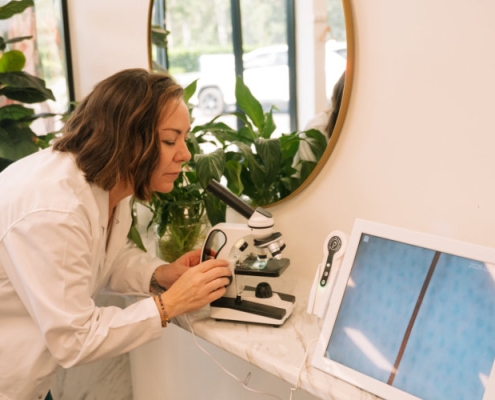
At Tricho Health Clinic, the focus is on understanding your individual hair and scalp condition in context. This includes assessing the scalp, reviewing your hair history, and considering lifestyle and health factors that may be influencing your experience.
You can learn more about this process here: Hair & Scalp Analysis. Where appropriate, this may be supported through Hair Loss Treatments and ongoing care via Personalised Treatment Plans & Follow Up Care.
Final Thoughts
Female Pattern Hair Loss is one of the most common causes of gradual hair thinning in women, yet it is often misunderstood or confused with temporary shedding. Understanding how it develops, how it presents, and how it differs from other types of hair loss can help bring clarity to what may otherwise feel uncertain.
If you are unsure about what you are experiencing, seeking guidance can help you better understand your situation and feel more supported in your next steps.
Frequently Asked Questions
What is scarring alopecia?
Scarring alopecia, or cicatricial alopecia, refers to a group of hair loss conditions where inflammation affects the hair follicles and changes their ability to produce hair over time.
What causes scarring alopecia?
It is linked to inflammatory processes affecting the hair follicles. The exact cause can vary depending on the specific condition, and may involve a combination of immune, genetic, and environmental factors.
Is scarring alopecia permanent?
These conditions involve changes within the follicle that can affect long-term hair growth, which is why early recognition and understanding are important.
How is scarring alopecia different from other hair loss types?
Unlike shedding or thinning conditions, scarring alopecia involves changes within the follicle itself, rather than just the hair growth cycle.
What are the early signs of scarring alopecia?
Early signs may include localised thinning, scalp sensitivity, redness, or areas that gradually expand over time.
Can scarring alopecia affect different parts of the scalp?
Yes, different types of scarring alopecia affect different areas, such as the hairline, crown, or specific patches on the scalp.
When should I seek professional advice?
If you notice ongoing or progressive changes in your hair or scalp, especially with discomfort or sensitivity, it may be helpful to seek an assessment.
What does a hair and scalp assessment involve?
It involves examining the scalp, reviewing hair patterns, and considering lifestyle and health factors to better understand what may be contributing to hair changes.
You may be also interested in
 https://www.trichohealthclinic.com.au/wp-content/uploads/2026/04/Understanding-Different-Types-of-Hairloss.jpg
500
1000
admin
https://www.trichohealthclinic.com.au/wp-content/uploads/2026/02/Tricho-Health-Clinic-Logo.png
admin2026-10-12 15:13:442026-08-19 15:14:29Understanding Different Types of Hair Loss in Women
 https://www.trichohealthclinic.com.au/wp-content/uploads/2026/04/Chronic-Telogen.jpg
500
1000
admin
https://www.trichohealthclinic.com.au/wp-content/uploads/2026/02/Tricho-Health-Clinic-Logo.png
admin2026-10-07 15:13:432026-08-19 15:14:15Chronic Telogen Effluvium: When Hair Shedding Doesn’t Settle
 https://www.trichohealthclinic.com.au/wp-content/uploads/2026/04/Female-Pattern-Hair-Loss.jpg
500
1000
admin
https://www.trichohealthclinic.com.au/wp-content/uploads/2026/02/Tricho-Health-Clinic-Logo.png
admin2026-10-05 15:13:422026-08-19 15:14:09Female Pattern Hair Loss: How It Differs from Temporary Shedding
 https://www.trichohealthclinic.com.au/wp-content/uploads/2026/04/Scarring-Alopecia.jpg
500
1000
admin
https://www.trichohealthclinic.com.au/wp-content/uploads/2026/02/Tricho-Health-Clinic-Logo.png
admin2026-10-02 15:13:292026-08-19 15:13:40Scarring Alopecia (Cicatricial Alopecia): What It Means and Why It Matters
 https://www.trichohealthclinic.com.au/wp-content/uploads/2026/04/Anagen-Effluvium.jpg
500
1000
admin
https://www.trichohealthclinic.com.au/wp-content/uploads/2026/02/Tricho-Health-Clinic-Logo.png
admin2026-10-01 15:13:022026-08-19 15:13:26Anagen Effluvium: Sudden Hair Loss and Its Underlying Triggers
 https://www.trichohealthclinic.com.au/wp-content/uploads/2026/04/Alopecia-Areata.jpg
500
1000
admin
https://www.trichohealthclinic.com.au/wp-content/uploads/2026/02/Tricho-Health-Clinic-Logo.png
admin2026-04-24 14:06:502026-08-11 11:05:40Alopecia Areata in Women: Causes, Patterns, and What to Expect

