

Dandruff vs Dry Scalp: How to Tell the Difference
If you’ve noticed white flakes on your shoulders, itching on your scalp or a constant urge to scratch your head, you may be wondering whether you have dandruff or a dry scalp.
Many people assume these two conditions are the same thing. While they can share similar symptoms, they have different causes and often require different approaches to management.
This confusion can lead to frustration. Someone with a dry scalp may use products designed for dandruff and find their symptoms worsen. Equally, a person with dandruff may focus on moisturising the scalp when the underlying issue is actually inflammation and excess oil production.
Understanding the difference between dandruff and a dry scalp is an important first step towards improving scalp health and reducing discomfort.
At Tricho Health Clinic, we regularly see women who have spent months or even years trying different shampoos and treatments without understanding the underlying cause of their symptoms.
If you are experiencing persistent flaking, itching or irritation, a professional assessment can help determine what is really happening on your scalp.
You may also find our article on Scalp Conditions and Scalp Health: Common Causes, Symptoms and Treatment Options helpful.
What Is Dandruff?
Dandruff is a common scalp condition that causes visible flakes of skin to shed from the scalp. It is often associated with excess oil production and an inflammatory response involving naturally occurring yeast that lives on the skin.
Although dandruff is not dangerous, it can be embarrassing and uncomfortable. Many people notice symptoms become worse during periods of stress, seasonal changes or when using certain hair care products.
Dandruff commonly presents with:
- White or yellow flakes
- An itchy scalp
- Greasy or oily areas on the scalp
- Flaking that returns soon after washing
- Mild scalp irritation
The severity can vary significantly. Some people experience occasional mild flaking, while others develop ongoing symptoms that affect confidence and daily comfort.
In some cases, what appears to be dandruff may actually be a more significant inflammatory condition such as seborrhoeic dermatitis.
What Is a Dry Scalp?
A dry scalp occurs when the skin on the scalp lacks sufficient moisture. This can cause irritation, tightness and small flakes of dry skin.
Unlike dandruff, which is often associated with excess oil, a dry scalp develops when the skin barrier becomes dehydrated or compromised.
Common causes of a dry scalp include:
- Cold or dry weather
- Excessive washing
- Harsh shampoos
- Dehydration
- Skin conditions affecting overall skin dryness
- Age-related changes to skin hydration
Women with a dry scalp often describe their scalp as feeling tight, sensitive or uncomfortable, particularly after washing their hair.
The flakes associated with a dry scalp are typically smaller and drier than those seen with dandruff.
Why People Often Confuse Dandruff and Dry Scalp
The main reason people confuse dandruff and dry scalp is because both conditions can produce visible flakes and itching.
When flakes appear in the hair or on clothing, many people immediately assume they have dandruff. In reality, the flakes themselves do not tell the whole story.
The appearance of the scalp, the type of flakes, the amount of oil present and the overall pattern of symptoms often provide important clues.
Unfortunately, it is not always possible to accurately diagnose the cause simply by looking in a mirror.
To make matters more confusing, some people experience multiple scalp concerns at the same time. For example, a person with seborrhoeic dermatitis may also have areas of dryness and irritation.
This is why persistent symptoms often benefit from professional assessment rather than guesswork.
Can You Have Dandruff and a Dry Scalp at the Same Time?
Yes, it is possible to experience both dandruff and dry scalp symptoms simultaneously.
While the two conditions have different underlying causes, some women experience a combination of scalp inflammation, flaking and dryness. Certain hair care products may also improve one problem while aggravating another.
This is one reason why identifying the underlying cause of your symptoms can be challenging without professional assessment.
When symptoms persist despite changing products or following general scalp care advice, a detailed scalp analysis may help provide greater clarity.
Dandruff vs Dry Scalp: Key Differences
| Feature | Dandruff | Dry Scalp |
|---|---|---|
| Primary Cause | Inflammation and excess oil production | Lack of moisture in the scalp skin |
| Flake Appearance | Larger white or yellow flakes | Small, dry white flakes |
| Scalp Condition | Often oily or greasy | Dry or tight feeling |
| Itching | Common | Common |
| Severity | May become chronic | Often improves with hydration and gentle scalp care |
| Associated Conditions | Seborrhoeic dermatitis | Dry skin and environmental factors |
Signs You May Have Dandruff
- Larger white or yellow flakes
- An oily or greasy scalp
- Flaking that returns quickly after washing
- Persistent itching
- Symptoms that worsen during periods of stress
These signs do not confirm a diagnosis, but they may indicate that dandruff or a related scalp condition is contributing to your symptoms.
Signs You May Have a Dry Scalp
- Small, fine white flakes
- A tight or uncomfortable feeling after washing
- Dryness affecting other areas of the skin
- Symptoms that worsen during winter
- Improvement when scalp hydration is increased
Because several scalp conditions can produce similar symptoms, professional assessment may be beneficial if symptoms persist or worsen.
What Do Dandruff Flakes Look Like?
Dandruff flakes are often larger than dry scalp flakes and may appear white, yellow or slightly greasy.
Many people notice the flakes accumulating around the crown of the head, hairline or part line. The flakes may also become more visible after scratching.
Because dandruff is commonly associated with increased oil production, the scalp itself may appear shiny or oily even when flakes are present.
Some women are surprised to learn that oily hair and dandruff can occur together.
What Do Dry Scalp Flakes Look Like?
Dry scalp flakes are usually smaller, finer and lighter in appearance.
The scalp may feel tight, rough or sensitive, particularly after washing. Many people also notice dryness affecting other areas of the skin, such as the face, hands or legs.
Unlike dandruff, dry scalp symptoms are often more noticeable during colder months or in dry environments.
The scalp may appear dry rather than oily, and irritation is often linked to a lack of moisture rather than excess oil production.
According to Medical News Today’s guide on dandruff versus dry scalp, understanding the appearance and underlying cause of the flakes can help determine which condition may be contributing to symptoms.
What Causes Dandruff?
Dandruff is a complex condition that can be influenced by several factors. While many people assume poor hygiene is responsible, this is a common misconception.
Dandruff is not caused by a lack of washing.
In fact, many people with dandruff wash their hair regularly and still experience ongoing symptoms.
Researchers believe dandruff is often linked to an inflammatory response involving a naturally occurring yeast called Malassezia. This yeast lives on the scalp of most healthy individuals, but some people appear to be more sensitive to its presence than others.
Several factors may increase the likelihood of developing dandruff, including:
- Excess oil production
- Hormonal influences
- Stress
- Changes in weather
- Genetic predisposition
- Sensitivity to hair care products
- Underlying scalp conditions
Dandruff may come and go over time, with symptoms often worsening during periods of stress or seasonal change.
Research published in Seborrheic Dermatitis and Dandruff: A Comprehensive Review highlights the role of inflammation, skin barrier function and scalp microbiome changes in the development of dandruff.
What Causes a Dry Scalp?
A dry scalp develops when the skin loses moisture and becomes dehydrated.
Unlike dandruff, dry scalp symptoms are not usually associated with excess oil production or scalp inflammation.
Common causes include:
- Cold or dry weather
- Overwashing the hair
- Harsh shampoos or styling products
- Frequent heat styling
- Dehydration
- Age-related skin changes
- Certain skin conditions
Some women notice dry scalp symptoms increase during winter when humidity levels drop and indoor heating removes moisture from the air.
Others find their symptoms develop after changing shampoos or introducing new hair care products.
Because dry scalp is related to moisture loss, management often focuses on restoring hydration and supporting the skin barrier.
Can Dandruff or Dry Scalp Cause Hair Loss?
This is one of the most common questions people ask when they begin noticing flakes and increased shedding.
Neither dandruff nor a dry scalp directly causes permanent hair loss.
However, the situation is often more complicated than a simple yes or no answer.
Persistent inflammation, excessive scratching and underlying scalp conditions may contribute to increased shedding in some individuals. In addition, people who are experiencing hair loss may become more aware of scalp symptoms and begin focusing on both concerns simultaneously.
For example, someone experiencing telogen effluvium, hormonal hair loss or nutritional deficiencies may also have dandruff or scalp irritation.
This does not necessarily mean the dandruff is causing the hair loss.
At Tricho Health Clinic, we frequently find that multiple factors are contributing to a client’s concerns.
If you are experiencing both scalp symptoms and hair shedding, you may find these articles helpful:
- Can Scalp Conditions Cause Hair Loss?
- The Most Common Root Causes of Hair Loss in Women
- Telogen Effluvium Explained: The Temporary Hair Loss No One Talks About
When It May Be More Than Dandruff or a Dry Scalp
Not all flaking or itching is caused by dandruff or dryness.
Several other scalp conditions can produce similar symptoms and are often mistaken for dandruff in their early stages.
These include:
- Seborrhoeic dermatitis
- Scalp psoriasis
- Folliculitis
- Allergic reactions to hair products
- Inflammatory scalp disorders
If symptoms are severe, persistent or worsening despite treatment, further assessment may be appropriate.
One of the biggest mistakes people make is repeatedly changing shampoos without understanding the underlying cause of their symptoms.
While this may provide temporary relief, it often delays accurate diagnosis and effective treatment.
Learn more about related conditions in:
- Seborrhoeic Dermatitis: Causes, Symptoms and Treatment
- Scalp Psoriasis: Signs, Symptoms and Management
- Why Is My Scalp Itchy? Common Causes Explained
How Are Dandruff and Dry Scalp Diagnosed?
Because symptoms often overlap, diagnosis involves looking beyond the flakes themselves.
The appearance of the scalp, the type of scaling, the amount of oil present, symptom history and other contributing factors all help build a clearer picture.
A professional scalp assessment can help determine whether symptoms are consistent with dandruff, dry scalp or another underlying condition.
At Tricho Health Clinic, a Hair & Scalp Analysis allows the scalp and follicles to be examined in greater detail, helping identify signs of inflammation, scaling and scalp health concerns.
A Typical Situation We See
Many women come to us convinced they have dandruff because they are noticing flakes on their clothing and an itchy scalp.
One common example is a client who has spent months trying different anti-dandruff shampoos after noticing white flakes around her hairline and part line. Instead of improving, her scalp becomes increasingly tight, irritated and uncomfortable.
After a detailed scalp assessment, it sometimes becomes clear that the problem is not dandruff at all, but a dry scalp or another underlying scalp condition. Because the treatment approach is different, the products she has been using may have been contributing to the irritation rather than helping.
This highlights the importance of understanding what is actually causing your symptoms rather than relying on guesswork or trial and error.
Treatment Options for Dandruff and Dry Scalp
The most effective treatment depends on the underlying cause.
Because dandruff and dry scalp develop for different reasons, they often require different management strategies.
Treatment approaches may include:
- Targeted scalp treatments
- Changes to hair care products
- Reducing scalp irritation
- Supporting scalp hydration
- Managing inflammation where present
- Addressing contributing lifestyle factors
The goal is not simply to reduce visible flakes but to improve the overall health of the scalp.
Our Scalp Treatments are designed to help address a range of scalp concerns while supporting long-term scalp health.
When Should You Seek Professional Advice?
You may benefit from professional assessment if you experience:
- Persistent flaking
- Ongoing itching
- Scalp redness
- Scalp tenderness
- Symptoms that do not improve with over-the-counter products
- Increased hair shedding alongside scalp symptoms
The earlier an underlying condition is identified, the sooner an appropriate treatment plan can be developed.
Understanding the Cause Is the First Step
Dandruff and dry scalp may appear similar at first glance, but they often have very different underlying causes.
Understanding the difference can help prevent frustration, reduce unnecessary spending on unsuitable products and improve your chances of finding an effective solution.
If you are experiencing ongoing scalp concerns, a professional assessment can provide clarity and help identify whether dandruff, dry scalp or another scalp condition may be contributing to your symptoms.
Book a Hair & Scalp Analysis to better understand your scalp health and receive personalised recommendations based on your individual needs.
Frequently Asked Questions
Is dandruff caused by poor hygiene?
No. Dandruff is not caused by poor hygiene. It is often associated with scalp inflammation, excess oil production and the body’s response to naturally occurring yeast on the scalp.
How can I tell if I have dandruff or a dry scalp?
Dandruff typically produces larger white or yellow flakes and is often associated with an oily scalp. A dry scalp usually causes smaller, dry flakes and may be accompanied by a feeling of tightness or dryness.
Why is my scalp flaky even though I wash my hair regularly?
Regular washing does not always prevent scalp flaking. Conditions such as dandruff, seborrhoeic dermatitis, psoriasis and dry scalp can all cause persistent flaking regardless of how often you wash your hair.
Can dandruff become a long-term problem?
Yes. For some people, dandruff can be a recurring condition that comes and goes over time. Stress, hormonal changes, weather conditions and certain hair products may trigger flare-ups.
Can a dry scalp cause itching?
Yes. A dry scalp often causes itching, irritation and discomfort. The skin may become sensitive when it lacks sufficient moisture.
Why do anti-dandruff shampoos sometimes make my scalp worse?
If your symptoms are caused by dryness rather than dandruff, some anti-dandruff products may increase irritation or dryness. This is one reason why identifying the underlying cause is important.
Could my flaky scalp actually be something else?
Yes. Conditions such as seborrhoeic dermatitis, scalp psoriasis, folliculitis and allergic reactions can all cause symptoms that resemble dandruff or a dry scalp.
Can dandruff or dry scalp lead to hair thinning?
Neither condition directly causes permanent hair loss. However, ongoing inflammation, excessive scratching and underlying scalp conditions may contribute to increased hair shedding in some individuals.
When should I seek professional advice for a flaky scalp?
You should consider professional assessment if symptoms persist, worsen, do not respond to over-the-counter products, or are accompanied by increased hair shedding, redness or scalp discomfort.
What is the best way to find out what is causing my scalp symptoms?
A professional scalp assessment can help identify whether your symptoms are caused by dandruff, dry scalp or another underlying scalp condition. Understanding the cause is often the first step towards effective treatment.
You may be also interested in
 https://www.trichohealthclinic.com.au/wp-content/uploads/2026/04/Scalp-Health.jpg
500
1000
admin
https://www.trichohealthclinic.com.au/wp-content/uploads/2026/02/Tricho-Health-Clinic-Logo.png
admin2026-09-22 15:11:422026-08-19 15:12:05Scalp Health and the Hair Growth Environment
https://www.trichohealthclinic.com.au/wp-content/uploads/2026/04/Scalp-Health.jpg
500
1000
admin
https://www.trichohealthclinic.com.au/wp-content/uploads/2026/02/Tricho-Health-Clinic-Logo.png
admin2026-09-22 15:11:422026-08-19 15:12:05Scalp Health and the Hair Growth Environment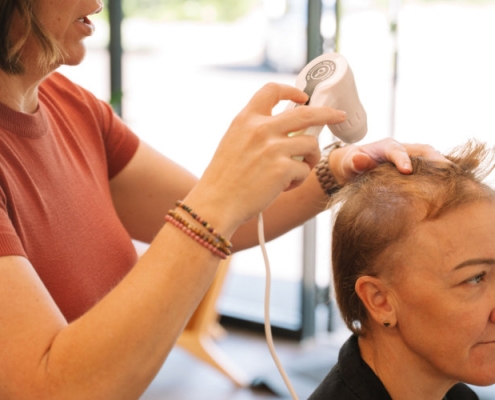 https://www.trichohealthclinic.com.au/wp-content/uploads/2026/04/Dandruff-vs-Seborrhoeic-Dermititis.jpg
500
1000
admin
https://www.trichohealthclinic.com.au/wp-content/uploads/2026/02/Tricho-Health-Clinic-Logo.png
admin2026-09-17 15:11:182026-08-19 15:11:31Dandruff vs Seborrhoeic Dermatitis: Understanding the Difference
https://www.trichohealthclinic.com.au/wp-content/uploads/2026/04/Dandruff-vs-Seborrhoeic-Dermititis.jpg
500
1000
admin
https://www.trichohealthclinic.com.au/wp-content/uploads/2026/02/Tricho-Health-Clinic-Logo.png
admin2026-09-17 15:11:182026-08-19 15:11:31Dandruff vs Seborrhoeic Dermatitis: Understanding the Difference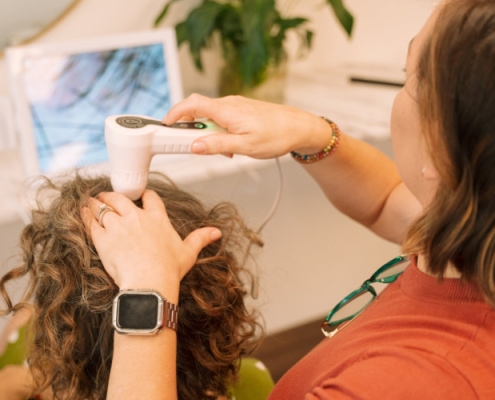 https://www.trichohealthclinic.com.au/wp-content/uploads/2026/04/Scalp-Inflammation.jpg
500
1000
admin
https://www.trichohealthclinic.com.au/wp-content/uploads/2026/02/Tricho-Health-Clinic-Logo.png
admin2026-09-15 15:10:092026-08-19 15:11:05Scalp Inflammation and Hair Shedding: What’s the Link?
https://www.trichohealthclinic.com.au/wp-content/uploads/2026/04/Scalp-Inflammation.jpg
500
1000
admin
https://www.trichohealthclinic.com.au/wp-content/uploads/2026/02/Tricho-Health-Clinic-Logo.png
admin2026-09-15 15:10:092026-08-19 15:11:05Scalp Inflammation and Hair Shedding: What’s the Link? https://www.trichohealthclinic.com.au/wp-content/uploads/2026/04/Scalp-Psoriasis.jpg
500
1000
admin
https://www.trichohealthclinic.com.au/wp-content/uploads/2026/02/Tricho-Health-Clinic-Logo.png
admin2026-09-09 15:10:082026-08-19 15:10:49Scalp Psoriasis and Hair Density: What Women Should Know
https://www.trichohealthclinic.com.au/wp-content/uploads/2026/04/Scalp-Psoriasis.jpg
500
1000
admin
https://www.trichohealthclinic.com.au/wp-content/uploads/2026/02/Tricho-Health-Clinic-Logo.png
admin2026-09-09 15:10:082026-08-19 15:10:49Scalp Psoriasis and Hair Density: What Women Should Know https://www.trichohealthclinic.com.au/wp-content/uploads/2026/04/Burning-or-tender-scalp.jpg
500
1000
admin
https://www.trichohealthclinic.com.au/wp-content/uploads/2026/02/Tricho-Health-Clinic-Logo.png
admin2026-09-08 15:10:062026-08-19 15:10:34Burning or Tender Scalp: When Sensitivity May Signal Something More
https://www.trichohealthclinic.com.au/wp-content/uploads/2026/04/Burning-or-tender-scalp.jpg
500
1000
admin
https://www.trichohealthclinic.com.au/wp-content/uploads/2026/02/Tricho-Health-Clinic-Logo.png
admin2026-09-08 15:10:062026-08-19 15:10:34Burning or Tender Scalp: When Sensitivity May Signal Something More https://www.trichohealthclinic.com.au/wp-content/uploads/2026/04/Product-Buildup.jpg
500
1000
admin
https://www.trichohealthclinic.com.au/wp-content/uploads/2026/02/Tricho-Health-Clinic-Logo.png
admin2026-08-19 15:10:142026-08-19 15:10:14Product Buildup and Scalp Barrier Disruption
https://www.trichohealthclinic.com.au/wp-content/uploads/2026/04/Product-Buildup.jpg
500
1000
admin
https://www.trichohealthclinic.com.au/wp-content/uploads/2026/02/Tricho-Health-Clinic-Logo.png
admin2026-08-19 15:10:142026-08-19 15:10:14Product Buildup and Scalp Barrier Disruption
