
Scalp Conditions and Scalp Health: Common Causes, Symptoms and Treatment Options
When most people think about healthy hair, they focus on shampoos, conditioners, supplements or styling products. What is often overlooked is the scalp itself. Yet the scalp plays a vital role in supporting healthy hair growth.
Your scalp is home to thousands of hair follicles. These follicles are responsible for producing the hair that grows from your head. When the scalp is healthy, follicles can function normally and create the best possible environment for hair growth. When the scalp becomes irritated, inflamed or affected by an underlying condition, it can impact both scalp comfort and hair health.
Many women seek help because they are experiencing itching, flaking, redness, excess oiliness, tenderness or changes in their hair density. In some cases, these symptoms are linked to a scalp condition that requires professional assessment and management.
Understanding the difference between a healthy scalp and an unhealthy scalp can help you identify potential concerns early and seek appropriate support before symptoms become more severe.
At Tricho Health Clinic, we regularly work with women experiencing scalp concerns ranging from mild irritation through to chronic inflammatory conditions that may contribute to hair shedding or hair loss.
What Is Scalp Health?
Scalp health refers to the overall condition of the skin covering your scalp and the environment surrounding your hair follicles.
A healthy scalp maintains a delicate balance of oil production, hydration, circulation and microbial activity. The scalp naturally contains bacteria and yeast that form part of a healthy skin ecosystem. Problems can develop when this balance is disrupted.
Healthy scalp tissue should be able to support normal hair growth while remaining comfortable and free from ongoing irritation.
Signs of a healthy scalp often include:
- Minimal itching or irritation
- Little or no visible flaking
- Even skin tone without excessive redness
- Normal oil production
- Comfort when brushing or touching the scalp
- Hair that appears healthy and grows normally
While occasional dryness or mild irritation can occur, persistent symptoms may indicate an underlying scalp condition that requires further investigation.
According to the American Academy of Dermatology, a healthy scalp provides the foundation for healthy hair growth and helps support normal follicle function. Learn more about common scalp conditions here.
Why Scalp Health Matters for Hair Growth
Every strand of hair begins inside a hair follicle located beneath the scalp surface. These follicles rely on a healthy surrounding environment to function properly.
When inflammation, infection, excessive oil production or skin disorders affect the scalp, the hair follicles can also be affected.
This does not necessarily mean a person will develop permanent hair loss. However, scalp conditions may contribute to:
- Increased hair shedding
- Hair thinning
- Fragile hair growth
- Slower recovery from hair loss
- Scalp discomfort
- Reduced hair density over time
Some scalp conditions primarily affect comfort and appearance. Others may create inflammation around the follicles that can interfere with the normal hair growth cycle.
This is one reason why identifying the underlying cause of scalp symptoms is important. Treating symptoms alone may not address the factor contributing to ongoing scalp irritation or hair concerns.
If you are concerned about hair thinning, you may also find our article on The Most Common Root Causes of Hair Loss in Women helpful.
Common Signs Your Scalp May Not Be Healthy
Many scalp conditions begin gradually. Symptoms may come and go before becoming more noticeable.
Some of the most common signs of an unhealthy scalp include:
- Persistent itching
- Flaking or dandruff
- Redness
- Tenderness or soreness
- Burning sensations
- Excess oiliness
- Dry patches
- Scalp pimples or bumps
- Scalp sensitivity
- Unexplained hair shedding
It is important to remember that similar symptoms can occur in several different scalp conditions. For example, itching may be associated with dandruff, seborrhoeic dermatitis, psoriasis, allergic reactions or folliculitis.
This is why self-diagnosis can be difficult and why a detailed scalp assessment is often beneficial.
The Most Common Scalp Conditions
There are many different scalp conditions, ranging from mild and temporary concerns to chronic inflammatory disorders.
Some of the most common scalp conditions seen in clinical practice include dandruff, seborrhoeic dermatitis, psoriasis and folliculitis.
Each condition affects the scalp differently and may require a different management approach.
Dandruff
Dandruff is one of the most common scalp concerns worldwide. It is characterised by visible flakes of skin that shed from the scalp and often appear on the hair, shoulders or clothing.
Many people assume dandruff simply means the scalp is dry. In reality, dandruff is often associated with excess oil production and an overgrowth of naturally occurring yeast on the scalp.
Common signs of dandruff include:
- White or yellow flakes on the scalp and hair
- Mild itching
- Scalp irritation
- Flaking that worsens during periods of stress
While dandruff is not usually serious, persistent symptoms can affect confidence and may indicate an underlying scalp condition requiring further assessment.
If you are unsure whether you are dealing with dandruff or a dry scalp, read our article Dandruff vs Dry Scalp: How to Tell the Difference.
Seborrhoeic Dermatitis
Seborrhoeic dermatitis is a common inflammatory scalp condition that is often mistaken for dandruff.
While dandruff tends to be mild, seborrhoeic dermatitis can cause more significant symptoms including redness, irritation and inflammation.
The condition is thought to be associated with an inflammatory reaction to naturally occurring yeast on the skin, combined with factors such as genetics, hormones, stress and immune system function.
Women with seborrhoeic dermatitis may experience:
- Persistent scalp itching
- Red or inflamed skin
- Greasy yellow scales
- Flaking that does not improve with standard dandruff products
- Sensitivity or discomfort when touching the scalp
Symptoms often fluctuate, with periods of improvement followed by flare-ups.
Because inflammation can affect the environment surrounding hair follicles, prolonged or unmanaged seborrhoeic dermatitis may contribute to increased shedding in some individuals.
Learn more in our detailed guide to Seborrhoeic Dermatitis: Causes, Symptoms and Treatment.Research has shown that seborrhoeic dermatitis is associated with inflammation and changes in the scalp’s natural microbiome, making accurate diagnosis and appropriate management important. Read the review article here.
Scalp Psoriasis
Psoriasis is an autoimmune condition that affects the skin. When it occurs on the scalp, it can lead to the development of thick, scaly patches that may extend beyond the hairline.
Scalp psoriasis can vary from mild to severe and is often confused with dandruff during its early stages.
Common symptoms include:
- Thick white or silvery scales
- Red patches of skin
- Persistent itching
- Burning or soreness
- Temporary increased shedding caused by inflammation or scratching
Many women find scalp psoriasis particularly frustrating because symptoms may be highly visible and difficult to conceal.
Although psoriasis itself does not directly destroy hair follicles, ongoing inflammation and excessive scratching may contribute to temporary hair shedding.
You can read more in our article Scalp Psoriasis: Signs, Symptoms and Management.The American Academy of Dermatology notes that scalp psoriasis can range from mild scaling to more extensive inflammation and discomfort. Learn more about scalp psoriasis.
Folliculitis
Folliculitis occurs when hair follicles become inflamed. This inflammation may be caused by bacteria, yeast, irritation, blocked follicles or other factors.
The condition often appears as small red bumps or pimples on the scalp.
Some women describe folliculitis as feeling like recurring scalp acne.
Symptoms may include:
- Small red bumps on the scalp
- Tenderness
- Itching
- Pustules or pimple-like lesions
- Scalp sensitivity
Folliculitis can range from mild irritation to a more persistent condition requiring targeted treatment.
Because the symptoms can resemble other scalp disorders, professional assessment is often recommended when scalp bumps repeatedly return or fail to improve.DermNet NZ provides a detailed overview of folliculitis, including common causes and treatment approaches. Read more about folliculitis.
Other Factors That Can Affect Scalp Health
Not all scalp concerns are caused by a medical condition.
Several lifestyle and environmental factors can also influence scalp health.
These may include:
- Stress
- Hormonal changes
- Nutritional deficiencies
- Aggressive hair care routines
- Product build-up
- Certain medications
- Environmental exposure
- Allergic reactions to hair products
Many women are surprised to learn that scalp symptoms and hair concerns often have multiple contributing factors.
For example, a woman experiencing menopause-related hormonal changes may also develop increased scalp sensitivity, inflammation or hair shedding.
This is one reason why a comprehensive assessment is often more valuable than focusing on a single symptom in isolation.
Can Scalp Conditions Cause Hair Loss?
This is one of the most common questions we hear at Tricho Health Clinic.
The answer depends on the underlying condition.
Some scalp conditions primarily affect comfort and appearance without causing significant changes to hair growth. Others can create inflammation around hair follicles that may contribute to increased shedding or reduced hair density.
In some cases, clients become so focused on scalp symptoms that they overlook other contributing factors such as nutritional deficiencies, hormonal changes, stress or underlying health conditions.
Hair loss is rarely caused by a single factor.
This is why identifying the root cause is often one of the most important steps in developing an effective treatment plan.
If you are concerned about hair shedding, you may find these articles helpful:
- Can Scalp Conditions Cause Hair Loss?
- The Most Common Root Causes of Hair Loss in Women
- Why Hair Loss Treatments Fail Without Identifying the Root Cause
Research suggests that ongoing scalp inflammation may affect the environment surrounding hair follicles and contribute to increased shedding in some individuals. Read the research review here.
How Are Scalp Conditions Diagnosed?
Many scalp conditions can appear very similar on the surface. Flaking, itching, redness and irritation may occur in several different conditions, making it difficult to accurately identify the cause without professional assessment.
While online research can be helpful, self-diagnosis is not always reliable. A treatment that works well for one scalp condition may be ineffective or even worsen another.
At Tricho Health Clinic, assessment typically begins with a detailed discussion about your symptoms, medical history, hair concerns and any recent lifestyle changes that may be contributing to your scalp health.
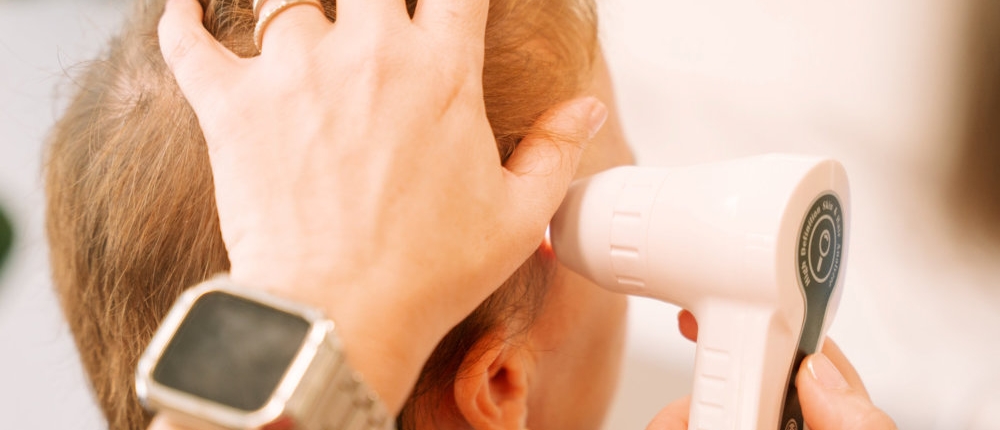
A Hair & Scalp Analysis allows the scalp and hair follicles to be examined more closely, helping to identify signs of inflammation, follicle health, scaling, oil production and other factors that may be contributing to symptoms.
Accurate diagnosis is one of the most important steps in developing an effective treatment plan.
Without understanding the underlying cause, many women spend months or even years trying different shampoos, supplements and products without achieving lasting improvement.
Treatment Options for Scalp Conditions
The most appropriate treatment will depend on the specific condition affecting the scalp.
There is no one-size-fits-all solution because every scalp concern has different underlying causes and contributing factors.
Treatment recommendations may include:
- Targeted scalp treatments
- Changes to hair care routines
- Management of inflammation
- Addressing underlying nutritional deficiencies
- Lifestyle modifications
- Referral to other healthcare professionals where appropriate
- Ongoing monitoring and follow-up care
In some cases, improving scalp health can also support healthier hair growth by creating a more favourable environment for the hair follicles.
Women experiencing both scalp concerns and hair loss often benefit from a comprehensive approach that addresses all contributing factors rather than focusing solely on the visible symptoms.
Our Scalp Treatments are designed to help manage a range of scalp concerns while supporting overall scalp health.
When Should You Seek Professional Help?
Occasional dryness or mild irritation is common and does not necessarily indicate a serious problem.
However, professional assessment may be beneficial if you experience:
- Persistent itching that does not improve
- Ongoing flaking or scaling
- Redness or inflammation
- Scalp tenderness or pain
- Recurring scalp bumps or pimples
- Noticeable hair shedding or thinning
- Symptoms that continue despite using over-the-counter products
The earlier a scalp condition is identified, the sooner an appropriate management plan can be put in place.
This may help reduce discomfort, improve scalp health and provide greater clarity regarding any associated hair concerns.
The Link Between Scalp Health and Hair Loss
Many women are surprised to discover that scalp health is only one piece of the puzzle when it comes to hair loss.
While certain scalp conditions may contribute to inflammation and increased shedding, other factors often play an equally important role.
These may include:
- Hormonal changes
- Iron deficiency
- Nutritional deficiencies
- Stress
- Medical conditions
- Medications
- Genetic predisposition
This is why a thorough investigation is often required when hair thinning occurs alongside scalp symptoms.
You may also find these articles helpful:
- Hormonal Changes and Hair Loss: What Happens During Perimenopause and Menopause
- Hair Thinning During Menopause: Temporary Shedding or Ongoing Change?
- Telogen Effluvium Explained: The Temporary Hair Loss No One Talks About
Take the First Step Towards a Healthier Scalp
If you are experiencing itching, flaking, irritation, scalp discomfort or changes in your hair density, understanding the cause is often the first step towards finding an effective solution.
Many scalp conditions respond well to appropriate management once the underlying issue has been identified.
At Tricho Health Clinic, we work with women experiencing a wide range of scalp and hair concerns, providing personalised assessments and treatment recommendations based on their individual needs.
Whether you are dealing with persistent dandruff, scalp inflammation, unexplained itching or hair thinning, a professional assessment can help provide clarity and direction.
Book a Hair & Scalp Analysis to gain a better understanding of your scalp health and the factors that may be affecting your hair growth.
Frequently Asked Questions
Can scalp conditions affect hair growth?
Yes. Some scalp conditions can create inflammation around the hair follicles, which may contribute to increased hair shedding or affect the environment needed for healthy hair growth. Identifying and managing the underlying scalp condition is often an important part of supporting scalp and hair health.
What are the most common scalp conditions?
Some of the most common scalp conditions include dandruff, seborrhoeic dermatitis, scalp psoriasis and folliculitis. These conditions can cause symptoms such as itching, flaking, redness, irritation and scalp discomfort.
Why is my scalp itchy all the time?
An itchy scalp can have many causes, including dandruff, seborrhoeic dermatitis, psoriasis, allergic reactions to hair products, scalp inflammation or product build-up. Persistent itching should be assessed to determine the underlying cause.
What is the difference between dandruff and a dry scalp?
Dandruff is often associated with excess oil production and scalp inflammation, while a dry scalp occurs when the skin lacks moisture. Although both can cause flaking, the flakes and underlying causes are usually different.
Can scalp conditions cause hair loss?
Some scalp conditions may contribute to increased hair shedding or thinning, particularly when inflammation affects the scalp. However, hair loss is often influenced by multiple factors including hormones, nutrition, stress, genetics and medical conditions.
How do I know if my scalp is healthy?
A healthy scalp is generally free from persistent itching, excessive flaking, redness, soreness and inflammation. It should feel comfortable and support normal hair growth.
When should I see a trichologist about scalp problems?
You should consider seeking professional advice if you experience ongoing itching, flaking, redness, scalp pain, recurring bumps, excessive shedding or symptoms that do not improve with over-the-counter products.
Can stress affect scalp health?
Yes. Stress can influence the scalp in several ways and may contribute to flare-ups of existing scalp conditions, increased sensitivity, inflammation and hair shedding in some individuals.
Can scalp inflammation damage hair follicles?
Persistent inflammation may affect the environment surrounding the hair follicles and can contribute to hair shedding or reduced hair density in some cases. Early assessment and management can help address underlying causes.
What treatments are available for scalp conditions?
Treatment depends on the specific condition and its severity. Options may include targeted scalp treatments, changes to hair care routines, management of inflammation, nutritional support and personalised treatment plans based on individual needs.
You may be also interested in
 https://www.trichohealthclinic.com.au/wp-content/uploads/2026/04/Scalp-Health.jpg
500
1000
admin
https://www.trichohealthclinic.com.au/wp-content/uploads/2026/02/Tricho-Health-Clinic-Logo.png
admin2026-09-22 15:11:422026-08-19 15:12:05Scalp Health and the Hair Growth Environment
https://www.trichohealthclinic.com.au/wp-content/uploads/2026/04/Scalp-Health.jpg
500
1000
admin
https://www.trichohealthclinic.com.au/wp-content/uploads/2026/02/Tricho-Health-Clinic-Logo.png
admin2026-09-22 15:11:422026-08-19 15:12:05Scalp Health and the Hair Growth Environment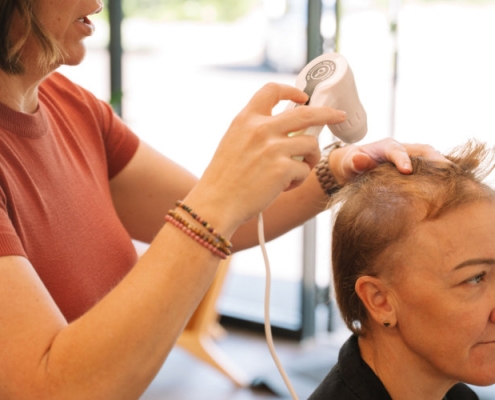 https://www.trichohealthclinic.com.au/wp-content/uploads/2026/04/Dandruff-vs-Seborrhoeic-Dermititis.jpg
500
1000
admin
https://www.trichohealthclinic.com.au/wp-content/uploads/2026/02/Tricho-Health-Clinic-Logo.png
admin2026-09-17 15:11:182026-08-19 15:11:31Dandruff vs Seborrhoeic Dermatitis: Understanding the Difference
https://www.trichohealthclinic.com.au/wp-content/uploads/2026/04/Dandruff-vs-Seborrhoeic-Dermititis.jpg
500
1000
admin
https://www.trichohealthclinic.com.au/wp-content/uploads/2026/02/Tricho-Health-Clinic-Logo.png
admin2026-09-17 15:11:182026-08-19 15:11:31Dandruff vs Seborrhoeic Dermatitis: Understanding the Difference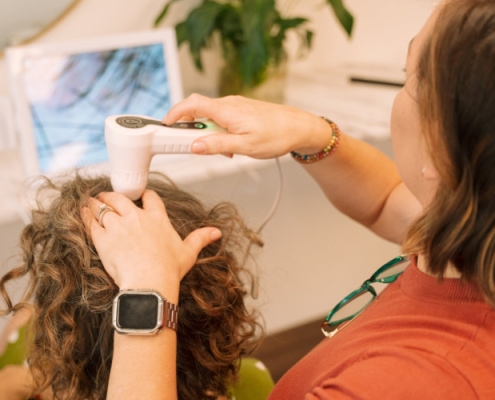 https://www.trichohealthclinic.com.au/wp-content/uploads/2026/04/Scalp-Inflammation.jpg
500
1000
admin
https://www.trichohealthclinic.com.au/wp-content/uploads/2026/02/Tricho-Health-Clinic-Logo.png
admin2026-09-15 15:10:092026-08-19 15:11:05Scalp Inflammation and Hair Shedding: What’s the Link?
https://www.trichohealthclinic.com.au/wp-content/uploads/2026/04/Scalp-Inflammation.jpg
500
1000
admin
https://www.trichohealthclinic.com.au/wp-content/uploads/2026/02/Tricho-Health-Clinic-Logo.png
admin2026-09-15 15:10:092026-08-19 15:11:05Scalp Inflammation and Hair Shedding: What’s the Link? https://www.trichohealthclinic.com.au/wp-content/uploads/2026/04/Scalp-Psoriasis.jpg
500
1000
admin
https://www.trichohealthclinic.com.au/wp-content/uploads/2026/02/Tricho-Health-Clinic-Logo.png
admin2026-09-09 15:10:082026-08-19 15:10:49Scalp Psoriasis and Hair Density: What Women Should Know
https://www.trichohealthclinic.com.au/wp-content/uploads/2026/04/Scalp-Psoriasis.jpg
500
1000
admin
https://www.trichohealthclinic.com.au/wp-content/uploads/2026/02/Tricho-Health-Clinic-Logo.png
admin2026-09-09 15:10:082026-08-19 15:10:49Scalp Psoriasis and Hair Density: What Women Should Know https://www.trichohealthclinic.com.au/wp-content/uploads/2026/04/Burning-or-tender-scalp.jpg
500
1000
admin
https://www.trichohealthclinic.com.au/wp-content/uploads/2026/02/Tricho-Health-Clinic-Logo.png
admin2026-09-08 15:10:062026-08-19 15:10:34Burning or Tender Scalp: When Sensitivity May Signal Something More
https://www.trichohealthclinic.com.au/wp-content/uploads/2026/04/Burning-or-tender-scalp.jpg
500
1000
admin
https://www.trichohealthclinic.com.au/wp-content/uploads/2026/02/Tricho-Health-Clinic-Logo.png
admin2026-09-08 15:10:062026-08-19 15:10:34Burning or Tender Scalp: When Sensitivity May Signal Something More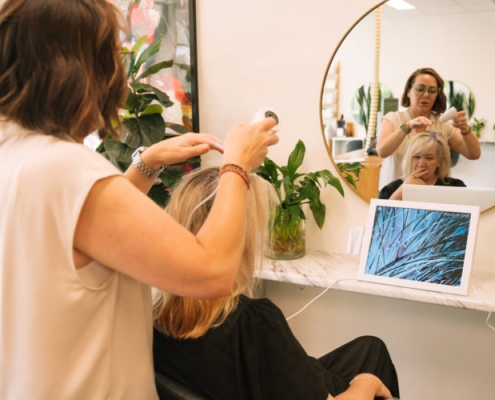 https://www.trichohealthclinic.com.au/wp-content/uploads/2026/04/Product-Buildup.jpg
500
1000
admin
https://www.trichohealthclinic.com.au/wp-content/uploads/2026/02/Tricho-Health-Clinic-Logo.png
admin2026-08-19 15:10:142026-08-19 15:10:14Product Buildup and Scalp Barrier Disruption
https://www.trichohealthclinic.com.au/wp-content/uploads/2026/04/Product-Buildup.jpg
500
1000
admin
https://www.trichohealthclinic.com.au/wp-content/uploads/2026/02/Tricho-Health-Clinic-Logo.png
admin2026-08-19 15:10:142026-08-19 15:10:14Product Buildup and Scalp Barrier Disruption
