

Seborrhoeic Dermatitis: Causes, Symptoms and Treatment
If you have been struggling with an itchy, flaky scalp that never seems to improve, you may be dealing with more than simple dandruff.
Seborrhoeic dermatitis is one of the most common inflammatory scalp conditions affecting adults. It can cause persistent itching, redness, irritation and greasy scaling that often returns despite repeated attempts to manage the symptoms with over-the-counter products.
Many women are surprised to learn that seborrhoeic dermatitis is different from ordinary dandruff. While the two conditions are related, seborrhoeic dermatitis is generally considered a more significant inflammatory condition and often requires a more targeted approach.
At Tricho Health Clinic, we regularly see women who have spent months or even years changing shampoos, trying home remedies and searching online for answers before discovering that their ongoing scalp symptoms are actually being caused by seborrhoeic dermatitis.
Understanding what this condition is, what causes it and how it can be managed is often the first step towards improving both scalp comfort and overall scalp health.
What Is Seborrhoeic Dermatitis?
Seborrhoeic dermatitis is a chronic inflammatory skin condition that commonly affects areas of the body with a high concentration of oil-producing glands. The scalp is one of the most frequently affected areas, although symptoms can also occur around the eyebrows, ears, nose and other parts of the face.
The condition is characterised by inflammation, redness, itching and the development of flaky or greasy scales on the skin. Symptoms can vary significantly from person to person. Some women experience only mild flaking and occasional itching, while others develop persistent irritation that affects their daily comfort and confidence.
Although seborrhoeic dermatitis is not contagious and is not caused by poor hygiene, it can be frustrating because symptoms often come and go over time. Many people experience periods where their scalp improves, followed by flare-ups that seem to occur without warning.
According to DermNet NZ, seborrhoeic dermatitis is associated with inflammation involving the skin’s response to naturally occurring yeast and other factors that influence scalp health.
How Is Seborrhoeic Dermatitis Different From Dandruff?
One of the reasons seborrhoeic dermatitis is often misunderstood is because it shares several symptoms with dandruff.
Both conditions can cause flaking and itching. However, seborrhoeic dermatitis typically involves a greater degree of inflammation and irritation.
Women with dandruff may notice mild flaking without significant redness or discomfort. In contrast, seborrhoeic dermatitis often causes visible inflammation, persistent itching and greasy yellow or white scales that can be difficult to control.
Many people initially assume they simply have stubborn dandruff. As a result, they continue trying different anti-dandruff shampoos without investigating whether an underlying inflammatory scalp condition may be contributing to their symptoms.
If you are unsure whether you are dealing with dandruff or another scalp condition, you may find our article Dandruff vs Dry Scalp: How to Tell the Difference helpful.
What Causes Seborrhoeic Dermatitis?
There is no single cause of seborrhoeic dermatitis. Instead, the condition is believed to develop through a combination of factors that influence the scalp environment.
Researchers believe that naturally occurring yeast known as Malassezia plays an important role. This yeast is found on the skin of most healthy individuals and is usually harmless. However, some people appear to have an increased inflammatory response to its presence, which may contribute to the development of symptoms.
Several factors may increase the likelihood of flare-ups or ongoing symptoms, including:
- Genetics
- Hormonal influences
- Stress
- Changes in weather
- Immune system function
- Excess oil production
- Certain medical conditions
It is important to understand that seborrhoeic dermatitis is not caused by poor hygiene. Many women with the condition wash their hair regularly and maintain excellent scalp care routines.
Research published in Seborrheic Dermatitis and Dandruff: A Comprehensive Review highlights the complex relationship between inflammation, skin barrier function, scalp microorganisms and individual susceptibility.
Common Symptoms of Seborrhoeic Dermatitis
The symptoms of seborrhoeic dermatitis can vary considerably depending on the severity of the condition and the individual affected.
Common symptoms include:
- Persistent scalp itching
- Redness or inflammation
- Greasy white or yellow scales
- Flaking that returns quickly after washing
- Scalp tenderness
- Burning sensations
- Scalp sensitivity
Some women experience symptoms primarily around the hairline, while others notice irritation throughout the scalp. In more significant cases, symptoms may extend beyond the scalp and affect the eyebrows, ears or sides of the nose.
The severity of symptoms does not always reflect the amount of visible flaking present. Some women experience intense itching despite relatively little visible scaling.
Why Does Seborrhoeic Dermatitis Flare Up?
One of the most frustrating aspects of seborrhoeic dermatitis is its tendency to flare up unexpectedly.
Many women notice periods where their scalp appears relatively normal, only for symptoms to suddenly return weeks or months later. This pattern often leads people to believe that a particular product has stopped working when, in reality, the condition itself naturally fluctuates.
Common triggers may include stress, illness, hormonal changes, weather conditions and lifestyle factors.
Stress is particularly noteworthy because many women report increased itching and irritation during periods of emotional or physical strain. While stress does not necessarily cause seborrhoeic dermatitis, it can contribute to flare-ups and make symptoms feel more noticeable.
If you have noticed itching alongside increased hair shedding, you may also find our article Why Is My Scalp Itchy? Common Causes Explained useful.
Can Seborrhoeic Dermatitis Cause Hair Loss?
This is one of the most common questions asked by women experiencing ongoing scalp inflammation.
The answer is not always straightforward. Seborrhoeic dermatitis itself does not typically destroy hair follicles or directly cause permanent hair loss. However, the inflammation associated with the condition can affect the scalp environment and may contribute to increased shedding in some individuals.
Persistent itching can also lead to frequent scratching, which may further irritate the scalp and contribute to temporary shedding. In addition, many women experiencing seborrhoeic dermatitis may also have other underlying factors contributing to hair loss, such as hormonal changes, nutritional deficiencies, stress or genetic predisposition.
This is why it is important not to assume that scalp symptoms are the sole cause of hair thinning.
Hair loss is often influenced by multiple factors, and identifying the root cause is essential for developing an effective treatment plan.
If you are concerned about shedding or reduced hair density, you may find these articles helpful:
- Can Scalp Conditions Cause Hair Loss?
- The Most Common Root Causes of Hair Loss in Women
- Why Hair Loss Treatments Fail Without Identifying the Root Cause
A Typical Situation We See
Many women come to us after spending years treating what they believe is persistent dandruff.
A common example is a client who notices ongoing flaking and itching around the crown and hairline. She purchases an anti-dandruff shampoo which appears to help temporarily, but the symptoms quickly return. Over time, she tries multiple products, changes her washing routine and searches online for solutions, yet the problem never fully resolves.
When her scalp is assessed more closely, it often becomes apparent that the issue is not simply dandruff but seborrhoeic dermatitis. Because the condition involves inflammation, a more comprehensive management approach may be required.
For many women, receiving an accurate explanation of what is happening can be just as valuable as the treatment itself. Understanding why symptoms keep returning often removes much of the frustration and uncertainty surrounding the condition.
How Is Seborrhoeic Dermatitis Diagnosed?
Seborrhoeic dermatitis can sometimes resemble other scalp conditions, including dandruff, psoriasis, dry scalp and certain inflammatory disorders.
This is one reason why diagnosis should not be based solely on the presence of flakes.
Several factors are typically considered, including:
- The appearance of the scalp
- The type of scaling present
- The level of inflammation
- The location of symptoms
- Medical history
- Associated hair concerns
- Previous treatment responses
A professional assessment helps identify whether seborrhoeic dermatitis is the most likely explanation for the symptoms and whether additional factors may also be contributing.
At Tricho Health Clinic, a Hair & Scalp Analysis allows the scalp and follicles to be examined in greater detail, providing valuable information about scalp health and potential underlying concerns.
Treatment Options for Seborrhoeic Dermatitis
Although seborrhoeic dermatitis is often a long-term condition, symptoms can usually be managed effectively once the underlying issue has been identified.
The most appropriate approach will vary depending on the individual, the severity of symptoms and any contributing factors that may be present.
Treatment recommendations may include:
- Targeted scalp treatments
- Management of inflammation
- Adjustments to hair care routines
- Reducing exposure to potential irritants
- Addressing contributing lifestyle factors
- Ongoing monitoring and follow-up care
Many women focus exclusively on finding the right shampoo. While hair care products can play an important role, successful management often requires a broader understanding of the factors contributing to scalp inflammation.
Our Scalp Treatments are designed to support scalp health and assist women experiencing a range of scalp-related concerns.
When Should You Seek Professional Help?
Occasional flaking or mild itching is relatively common. However, persistent symptoms that continue despite treatment may indicate a more significant underlying issue.
You may benefit from professional assessment if you experience:
- Persistent scalp itching
- Recurring flaking
- Redness or inflammation
- Scalp tenderness
- Burning sensations
- Symptoms that repeatedly return
- Increased hair shedding
- Little improvement despite using multiple products
Early assessment may help identify the underlying cause and prevent unnecessary frustration caused by trial-and-error treatment.
Managing Seborrhoeic Dermatitis Starts with Understanding the Cause
Seborrhoeic dermatitis is a common inflammatory scalp condition that can cause persistent itching, flaking and discomfort. While it is often mistaken for simple dandruff, the condition typically involves a greater degree of inflammation and may require a more targeted management approach.
Because symptoms can fluctuate over time, many women spend years trying different products without fully understanding why the problem keeps returning.
The good news is that an accurate assessment can often provide valuable insight into what is happening beneath the surface and help guide appropriate treatment recommendations.
If you are experiencing ongoing scalp irritation, flaking or concerns about hair shedding, professional assessment may help identify the factors contributing to your symptoms.
Book a Hair & Scalp Analysis to better understand your scalp health and receive personalised recommendations based on your individual needs.
Frequently Asked Questions
What is the difference between seborrhoeic dermatitis and dandruff?
Dandruff and seborrhoeic dermatitis are closely related, which is why they are often confused. Dandruff is generally considered the milder form and typically causes flaking and mild itching without significant inflammation. Seborrhoeic dermatitis, on the other hand, usually involves more noticeable redness, irritation, itching and greasy scales. Many people assume they have stubborn dandruff when they are actually dealing with seborrhoeic dermatitis, which may require a more targeted management approach.
What causes seborrhoeic dermatitis?
The exact cause is not fully understood, but researchers believe seborrhoeic dermatitis develops due to a combination of factors. These may include an inflammatory response to naturally occurring yeast on the skin, genetics, hormone fluctuations, stress, immune system function and excess oil production. Because several factors can contribute to the condition, symptoms and severity often vary from person to person.
Is seborrhoeic dermatitis contagious?
No. Seborrhoeic dermatitis is not contagious and cannot be passed from one person to another. Although naturally occurring yeast is involved in the condition, this yeast is normally found on the skin of many healthy individuals. The issue is not the presence of the yeast itself, but how the body responds to it.
Can seborrhoeic dermatitis cause hair loss?
Seborrhoeic dermatitis does not typically cause permanent hair loss. However, inflammation, persistent irritation and excessive scratching may contribute to temporary increased shedding in some individuals. It is also common for women experiencing hair loss to have additional underlying factors present, such as hormonal changes, nutritional deficiencies or stress. This is why a comprehensive assessment is often important when scalp symptoms and hair thinning occur together.
Why does seborrhoeic dermatitis keep coming back?
Seborrhoeic dermatitis is often a long-term condition that tends to fluctuate over time. Many women experience periods where symptoms improve significantly, followed by flare-ups weeks or months later. Factors such as stress, illness, seasonal changes, hormonal fluctuations and lifestyle factors can all contribute to recurring symptoms. This pattern is one of the reasons many people become frustrated and feel like treatments have stopped working.
Can stress make seborrhoeic dermatitis worse?
Yes. While stress is not usually considered the primary cause of seborrhoeic dermatitis, it is a common trigger for flare-ups. Many women notice their scalp becomes itchier, more inflamed or more irritated during periods of emotional or physical stress. Stress can also make existing symptoms feel more intense and difficult to manage.
What does seborrhoeic dermatitis look like on the scalp?
Seborrhoeic dermatitis commonly causes redness, inflammation and greasy white or yellow scales on the scalp. Some women experience widespread flaking, while others notice symptoms concentrated around the hairline, crown, behind the ears or along the part line. The scalp may also feel itchy, tender or sensitive to touch.
Can seborrhoeic dermatitis affect areas other than the scalp?
Yes. Although the scalp is one of the most commonly affected areas, seborrhoeic dermatitis can also occur around the eyebrows, ears, sides of the nose, eyelids and other areas where oil-producing glands are more active. Some women notice symptoms affecting both the scalp and facial areas at the same time.
When should I seek professional help for seborrhoeic dermatitis?
You should consider professional assessment if symptoms are persistent, repeatedly return, do not improve with over-the-counter products or are accompanied by significant itching, redness, discomfort or hair shedding. Many scalp conditions can look similar, so obtaining an accurate diagnosis is often the first step towards finding an effective treatment strategy.
How is seborrhoeic dermatitis diagnosed?
Diagnosis is typically based on a detailed assessment of the scalp, symptoms and medical history. The appearance of the scales, the location of the inflammation and the pattern of symptoms can all provide valuable clues. A professional scalp analysis can help identify signs of inflammation and determine whether seborrhoeic dermatitis or another scalp condition may be contributing to your symptoms.
Can seborrhoeic dermatitis be cured permanently?
Seborrhoeic dermatitis is generally considered a chronic condition, which means it may require ongoing management rather than a permanent cure. However, many women are able to significantly improve their symptoms and reduce flare-ups once the condition is properly identified and an appropriate treatment plan is in place. Understanding your triggers and maintaining good scalp health can often play an important role in long-term symptom management.
What is the best treatment for seborrhoeic dermatitis?
The most appropriate treatment depends on the individual and the severity of their symptoms. Effective management often involves addressing inflammation, supporting scalp health and identifying factors that may be contributing to flare-ups. Because every person is different, treatment recommendations should be tailored to the individual’s scalp condition, symptoms and overall health history.
You may be also interested in
 https://www.trichohealthclinic.com.au/wp-content/uploads/2026/04/Scalp-Health.jpg
500
1000
admin
https://www.trichohealthclinic.com.au/wp-content/uploads/2026/02/Tricho-Health-Clinic-Logo.png
admin2026-09-22 15:11:422026-08-19 15:12:05Scalp Health and the Hair Growth Environment
https://www.trichohealthclinic.com.au/wp-content/uploads/2026/04/Scalp-Health.jpg
500
1000
admin
https://www.trichohealthclinic.com.au/wp-content/uploads/2026/02/Tricho-Health-Clinic-Logo.png
admin2026-09-22 15:11:422026-08-19 15:12:05Scalp Health and the Hair Growth Environment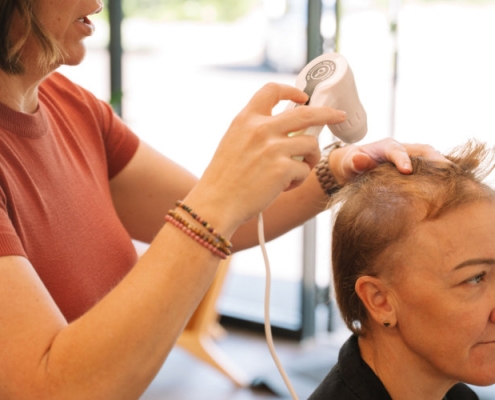 https://www.trichohealthclinic.com.au/wp-content/uploads/2026/04/Dandruff-vs-Seborrhoeic-Dermititis.jpg
500
1000
admin
https://www.trichohealthclinic.com.au/wp-content/uploads/2026/02/Tricho-Health-Clinic-Logo.png
admin2026-09-17 15:11:182026-08-19 15:11:31Dandruff vs Seborrhoeic Dermatitis: Understanding the Difference
https://www.trichohealthclinic.com.au/wp-content/uploads/2026/04/Dandruff-vs-Seborrhoeic-Dermititis.jpg
500
1000
admin
https://www.trichohealthclinic.com.au/wp-content/uploads/2026/02/Tricho-Health-Clinic-Logo.png
admin2026-09-17 15:11:182026-08-19 15:11:31Dandruff vs Seborrhoeic Dermatitis: Understanding the Difference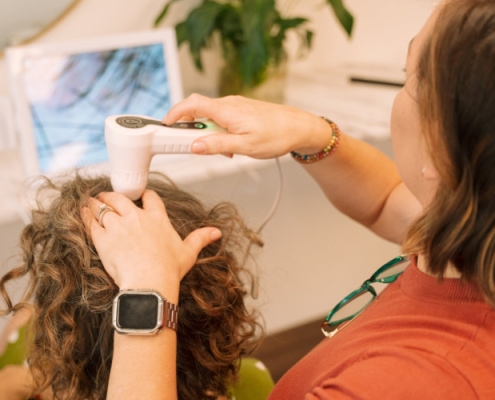 https://www.trichohealthclinic.com.au/wp-content/uploads/2026/04/Scalp-Inflammation.jpg
500
1000
admin
https://www.trichohealthclinic.com.au/wp-content/uploads/2026/02/Tricho-Health-Clinic-Logo.png
admin2026-09-15 15:10:092026-08-19 15:11:05Scalp Inflammation and Hair Shedding: What’s the Link?
https://www.trichohealthclinic.com.au/wp-content/uploads/2026/04/Scalp-Inflammation.jpg
500
1000
admin
https://www.trichohealthclinic.com.au/wp-content/uploads/2026/02/Tricho-Health-Clinic-Logo.png
admin2026-09-15 15:10:092026-08-19 15:11:05Scalp Inflammation and Hair Shedding: What’s the Link? https://www.trichohealthclinic.com.au/wp-content/uploads/2026/04/Scalp-Psoriasis.jpg
500
1000
admin
https://www.trichohealthclinic.com.au/wp-content/uploads/2026/02/Tricho-Health-Clinic-Logo.png
admin2026-09-09 15:10:082026-08-19 15:10:49Scalp Psoriasis and Hair Density: What Women Should Know
https://www.trichohealthclinic.com.au/wp-content/uploads/2026/04/Scalp-Psoriasis.jpg
500
1000
admin
https://www.trichohealthclinic.com.au/wp-content/uploads/2026/02/Tricho-Health-Clinic-Logo.png
admin2026-09-09 15:10:082026-08-19 15:10:49Scalp Psoriasis and Hair Density: What Women Should Know https://www.trichohealthclinic.com.au/wp-content/uploads/2026/04/Burning-or-tender-scalp.jpg
500
1000
admin
https://www.trichohealthclinic.com.au/wp-content/uploads/2026/02/Tricho-Health-Clinic-Logo.png
admin2026-09-08 15:10:062026-08-19 15:10:34Burning or Tender Scalp: When Sensitivity May Signal Something More
https://www.trichohealthclinic.com.au/wp-content/uploads/2026/04/Burning-or-tender-scalp.jpg
500
1000
admin
https://www.trichohealthclinic.com.au/wp-content/uploads/2026/02/Tricho-Health-Clinic-Logo.png
admin2026-09-08 15:10:062026-08-19 15:10:34Burning or Tender Scalp: When Sensitivity May Signal Something More https://www.trichohealthclinic.com.au/wp-content/uploads/2026/04/Product-Buildup.jpg
500
1000
admin
https://www.trichohealthclinic.com.au/wp-content/uploads/2026/02/Tricho-Health-Clinic-Logo.png
admin2026-08-19 15:10:142026-08-19 15:10:14Product Buildup and Scalp Barrier Disruption
https://www.trichohealthclinic.com.au/wp-content/uploads/2026/04/Product-Buildup.jpg
500
1000
admin
https://www.trichohealthclinic.com.au/wp-content/uploads/2026/02/Tricho-Health-Clinic-Logo.png
admin2026-08-19 15:10:142026-08-19 15:10:14Product Buildup and Scalp Barrier Disruption
