

Why Is My Scalp Itchy? Common Causes Explained
An itchy scalp can be frustrating, distracting and sometimes embarrassing. For some women, the itch is mild and occasional. For others, it becomes a daily annoyance that affects comfort, confidence and quality of life.
Many people immediately assume that an itchy scalp means they have dandruff. While dandruff can certainly be one cause, it is far from the only explanation. Scalp itching can be triggered by a range of factors including dryness, inflammation, scalp conditions, product sensitivities, hormonal changes and even stress.
The challenge is that many scalp conditions produce similar symptoms. Two people may experience the same itching sensation but have completely different underlying causes. This is why understanding what may be contributing to your symptoms is often the first step towards finding an effective solution.
At Tricho Health Clinic, we regularly see women who have spent months changing shampoos, trying home remedies or purchasing products recommended online, only to discover that the real cause of their symptoms has never been identified.
If you are experiencing ongoing scalp irritation, you may also find our article on Scalp Conditions and Scalp Health: Common Causes, Symptoms and Treatment Options helpful.
An Itchy Scalp Is a Symptom, Not a Diagnosis
One of the biggest misconceptions surrounding scalp health is the belief that itching is a condition in itself.
An itchy scalp is actually a symptom.
Just as a headache can have many different causes, scalp itching can result from numerous underlying issues. The itching sensation is simply your body’s way of signalling that something may be irritating or affecting the scalp.
This is why treating the symptom without understanding the cause can sometimes lead to disappointing results. A product that helps one person may be completely ineffective for someone else if their symptoms stem from a different underlying condition.
The goal is not simply to stop the itching temporarily but to identify why it is happening in the first place.
Dandruff
Dandruff is one of the most common causes of scalp itching.
Many people associate dandruff with visible flakes, but itching is often one of the earliest symptoms. The condition is believed to involve an inflammatory response associated with naturally occurring yeast on the scalp, along with factors such as oil production, genetics and stress.
Women with dandruff may experience:
- Persistent itching
- White or yellow flakes
- Scalp irritation
- Symptoms that come and go
- Flaking that worsens during periods of stress
Although dandruff is extremely common, it is frequently confused with other scalp conditions.
If you are unsure whether your symptoms are caused by dandruff or dryness, read our article Dandruff vs Dry Scalp: How to Tell the Difference.
Seborrhoeic Dermatitis
When dandruff becomes more severe, an underlying condition called seborrhoeic dermatitis may be present.
Seborrhoeic dermatitis is one of the most common causes of chronic scalp itching.
This inflammatory scalp condition often causes redness, irritation, greasy scaling and persistent discomfort. Symptoms may fluctuate over time, with flare-ups triggered by stress, hormonal changes, illness or environmental factors.
Many women describe the itching associated with seborrhoeic dermatitis as intense and difficult to ignore. The scalp may feel tender, irritated and inflamed, particularly around the hairline, crown or behind the ears.
According to DermNet NZ’s guide to seborrhoeic dermatitis, the condition is associated with inflammation and changes in the scalp’s natural environment.
You can learn more in our article Seborrhoeic Dermatitis: Causes, Symptoms and Treatment.
Dry Scalp
Dryness is another common cause of scalp itching.
When the scalp lacks moisture, the skin barrier may become compromised, leading to irritation, tightness and itching.
Women with a dry scalp often notice symptoms becoming worse during winter, after frequent washing or when using harsh hair care products.
Unlike dandruff, a dry scalp is usually associated with small, dry flakes rather than larger greasy flakes.
Some women also notice dryness affecting other areas of the skin, such as the face, arms or hands.
Although dry scalp may seem relatively minor, persistent symptoms can still affect comfort and scalp health.
Scalp Psoriasis
Scalp psoriasis is an autoimmune condition that can cause significant itching and discomfort.
The condition occurs when skin cells reproduce more rapidly than normal, leading to thick patches of scaling and inflammation.
Symptoms may include:
- Persistent itching
- Red patches of skin
- Thick white or silvery scales
- Burning sensations
- Temporary increased shedding due to inflammation or scratching
Many women initially mistake scalp psoriasis for dandruff because both conditions can produce flaking.
However, psoriasis often causes thicker scales and more noticeable inflammation.
Read more in our article Scalp Psoriasis: Signs, Symptoms and Management.
Product Sensitivity and Allergic Reactions
Sometimes the cause of an itchy scalp is not a scalp condition at all.
Hair care products can occasionally trigger irritation or allergic reactions in sensitive individuals.
Potential triggers may include:
- Shampoos
- Conditioners
- Hair dyes
- Styling products
- Fragrances
- Preservatives
Symptoms may develop shortly after introducing a new product or gradually over time.
Women often report itching, redness, burning sensations or increased scalp sensitivity.
In some cases, simply changing products may provide relief. In others, professional assessment may be needed to determine the cause.
Stress and an Itchy Scalp
Many women notice scalp symptoms worsen during periods of stress.
Stress affects numerous systems throughout the body and can influence inflammation, skin health and the way we perceive physical sensations.
Although stress may not directly cause every scalp condition, it can contribute to flare-ups of existing conditions and increase sensitivity to irritation.
Some women experience itching alongside increased hair shedding during particularly stressful periods.
This can be concerning, especially when both symptoms appear at the same time.
If you have noticed increased shedding, you may also find our article Telogen Effluvium Explained: The Temporary Hair Loss No One Talks About useful.
Can an Itchy Scalp Cause Hair Loss?
This is one of the most common questions we hear at Tricho Health Clinic.
The answer depends on the underlying cause.
Occasional itching alone does not usually cause hair loss. However, persistent inflammation, excessive scratching and certain scalp conditions may contribute to increased shedding in some individuals.
It is also important to remember that hair loss and scalp symptoms may occur together without one necessarily causing the other.
For example, a woman experiencing hormonal hair loss may also develop scalp irritation or dandruff. In this situation, multiple factors may be contributing to her concerns.
Hair loss is often more complex than a single symptom or condition.
If you are concerned about both scalp symptoms and hair shedding, you may find these articles helpful:
- Can Scalp Conditions Cause Hair Loss?
- The Most Common Root Causes of Hair Loss in Women
- Why Hair Loss Treatments Fail Without Identifying the Root Cause
A Typical Situation We See
Many women come to us believing they simply have an itchy scalp that will eventually resolve on its own.
A common example is someone who notices occasional itching around the crown or hairline. Initially, the symptoms seem minor, so they purchase an anti-dandruff shampoo from the supermarket. When the itching continues, they switch to another product, then another. Months later, they are still experiencing discomfort and may have developed additional symptoms such as flaking, redness or increased hair shedding.
After a detailed scalp assessment, it sometimes becomes clear that the issue was never dandruff in the first place. The underlying cause may be seborrhoeic dermatitis, scalp psoriasis, product sensitivity or another scalp condition requiring a different management approach.
This is why identifying the underlying cause is often more valuable than repeatedly changing products in the hope of finding a solution.
When Should You Seek Professional Advice?
Occasional itching is common and does not always indicate a significant problem. However, persistent symptoms should not be ignored, particularly if they are affecting your comfort or quality of life.
You may benefit from professional assessment if you experience:
- Ongoing itching that does not improve
- Visible flaking or scaling
- Redness or inflammation
- Scalp tenderness or discomfort
- Recurring scalp bumps or pimples
- Burning sensations
- Increased hair shedding
- Symptoms that continue despite using over-the-counter products
Many scalp conditions respond more effectively when identified early. Delaying assessment may allow symptoms to persist unnecessarily and make it more difficult to determine what is driving the problem.
How Are Itchy Scalp Conditions Diagnosed?
Because many scalp conditions share similar symptoms, diagnosis involves much more than simply looking for flakes.
Several factors may need to be considered, including the appearance of the scalp, the location of symptoms, the type of flaking present, medical history, lifestyle factors and any associated hair concerns.
At Tricho Health Clinic, a Hair & Scalp Analysis allows the scalp and follicles to be examined in greater detail. This can help identify signs of inflammation, scaling, oil production, follicle health and other factors that may be contributing to symptoms.
Accurate diagnosis is often the foundation of successful treatment.
Without understanding the cause of the itching, it can be difficult to choose the most appropriate management strategy.
Treatment Options for an Itchy Scalp
The most effective treatment depends on what is causing the symptoms.
There is no single solution that works for every itchy scalp because the underlying causes can vary significantly from one person to another.
Treatment recommendations may include:
- Targeted scalp treatments
- Adjustments to hair care routines
- Management of scalp inflammation
- Reducing exposure to irritating products
- Addressing underlying nutritional deficiencies
- Lifestyle modifications
- Ongoing monitoring and follow-up care
Women experiencing both scalp symptoms and hair concerns often benefit from a comprehensive approach that considers all contributing factors rather than focusing solely on the itching itself.
Our Scalp Treatments are designed to support scalp health and address a range of common scalp concerns.
The Connection Between Scalp Health and Healthy Hair Growth
While an itchy scalp may seem like a minor inconvenience, it can sometimes be a sign that the scalp environment is not functioning optimally.
Healthy hair growth begins with a healthy scalp. When the scalp becomes inflamed, irritated or affected by an underlying condition, the environment surrounding the hair follicles may also be affected.
This does not mean every itchy scalp will lead to hair loss. However, understanding what is causing the symptoms can help support both scalp health and long-term hair health.
You may also find our article on Scalp Conditions and Scalp Health: Common Causes, Symptoms and Treatment Options helpful if you would like to learn more about how scalp health influences hair growth.
Understanding the Cause Is the First Step Towards Relief
An itchy scalp can be caused by many different factors, including dandruff, seborrhoeic dermatitis, dry scalp, psoriasis, product sensitivities and stress.
Because the symptoms often overlap, identifying the underlying cause is often the most important step in finding an effective solution.
Rather than relying on trial and error, a professional assessment can help determine what may be contributing to your symptoms and guide appropriate treatment recommendations.
If you are experiencing persistent itching, flaking, scalp discomfort or concerns about hair shedding, understanding what is happening beneath the surface can provide valuable clarity.
Book a Hair & Scalp Analysis to gain a better understanding of your scalp health and receive personalised recommendations based on your individual needs.
Frequently Asked Questions
Why is my scalp itchy but I don’t have dandruff?
An itchy scalp can be caused by several factors other than dandruff, including dry scalp, seborrhoeic dermatitis, scalp psoriasis, product sensitivities, allergic reactions and scalp inflammation.
Can stress cause an itchy scalp?
Yes. Stress can affect the skin and scalp, contribute to inflammation and trigger flare-ups of existing scalp conditions. Many people notice increased itching during particularly stressful periods.
Why is my scalp itchy after washing my hair?
This may occur if your scalp is sensitive to ingredients in your shampoo or conditioner, if your scalp is dry, or if frequent washing is disrupting the skin’s natural barrier.
Can an itchy scalp be a sign of hair loss?
An itchy scalp does not automatically mean you will lose your hair. However, some scalp conditions associated with itching may also contribute to increased shedding or occur alongside other causes of hair loss.
Why is my scalp itchy at night?
Some people become more aware of itching at night when there are fewer distractions. Inflammatory scalp conditions, dry skin and stress may also make symptoms feel more noticeable during the evening.
Can menopause cause an itchy scalp?
Hormonal changes during perimenopause and menopause can affect the skin and scalp. Some women experience increased dryness, sensitivity and scalp irritation during this stage of life.
Can hair products make my scalp itchy?
Yes. Shampoos, conditioners, hair dyes and styling products can sometimes trigger irritation or allergic reactions in sensitive individuals. Symptoms may appear immediately or develop gradually over time.
How do I know if my itchy scalp is serious?
Persistent itching, redness, scaling, tenderness, scalp bumps or increased hair shedding may indicate an underlying scalp condition that should be professionally assessed.
When should I see a trichologist for an itchy scalp?
You should consider professional advice if symptoms continue despite using over-the-counter products, are becoming worse, or are accompanied by scalp discomfort, inflammation or hair loss concerns.
You may be also interested in
 https://www.trichohealthclinic.com.au/wp-content/uploads/2026/04/Scalp-Health.jpg
500
1000
admin
https://www.trichohealthclinic.com.au/wp-content/uploads/2026/02/Tricho-Health-Clinic-Logo.png
admin2026-09-22 15:11:422026-08-19 15:12:05Scalp Health and the Hair Growth Environment
https://www.trichohealthclinic.com.au/wp-content/uploads/2026/04/Scalp-Health.jpg
500
1000
admin
https://www.trichohealthclinic.com.au/wp-content/uploads/2026/02/Tricho-Health-Clinic-Logo.png
admin2026-09-22 15:11:422026-08-19 15:12:05Scalp Health and the Hair Growth Environment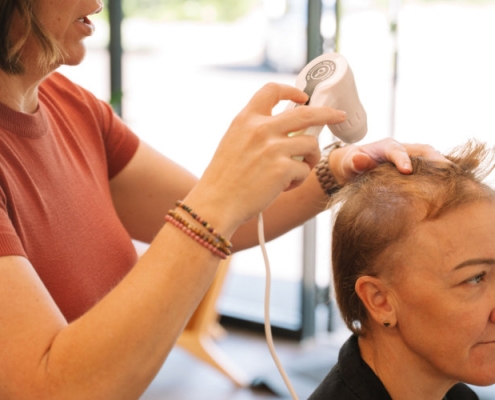 https://www.trichohealthclinic.com.au/wp-content/uploads/2026/04/Dandruff-vs-Seborrhoeic-Dermititis.jpg
500
1000
admin
https://www.trichohealthclinic.com.au/wp-content/uploads/2026/02/Tricho-Health-Clinic-Logo.png
admin2026-09-17 15:11:182026-08-19 15:11:31Dandruff vs Seborrhoeic Dermatitis: Understanding the Difference
https://www.trichohealthclinic.com.au/wp-content/uploads/2026/04/Dandruff-vs-Seborrhoeic-Dermititis.jpg
500
1000
admin
https://www.trichohealthclinic.com.au/wp-content/uploads/2026/02/Tricho-Health-Clinic-Logo.png
admin2026-09-17 15:11:182026-08-19 15:11:31Dandruff vs Seborrhoeic Dermatitis: Understanding the Difference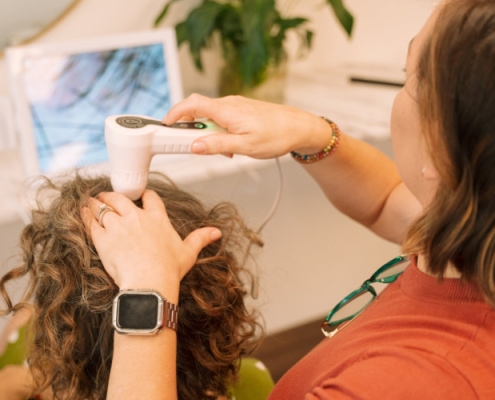 https://www.trichohealthclinic.com.au/wp-content/uploads/2026/04/Scalp-Inflammation.jpg
500
1000
admin
https://www.trichohealthclinic.com.au/wp-content/uploads/2026/02/Tricho-Health-Clinic-Logo.png
admin2026-09-15 15:10:092026-08-19 15:11:05Scalp Inflammation and Hair Shedding: What’s the Link?
https://www.trichohealthclinic.com.au/wp-content/uploads/2026/04/Scalp-Inflammation.jpg
500
1000
admin
https://www.trichohealthclinic.com.au/wp-content/uploads/2026/02/Tricho-Health-Clinic-Logo.png
admin2026-09-15 15:10:092026-08-19 15:11:05Scalp Inflammation and Hair Shedding: What’s the Link? https://www.trichohealthclinic.com.au/wp-content/uploads/2026/04/Scalp-Psoriasis.jpg
500
1000
admin
https://www.trichohealthclinic.com.au/wp-content/uploads/2026/02/Tricho-Health-Clinic-Logo.png
admin2026-09-09 15:10:082026-08-19 15:10:49Scalp Psoriasis and Hair Density: What Women Should Know
https://www.trichohealthclinic.com.au/wp-content/uploads/2026/04/Scalp-Psoriasis.jpg
500
1000
admin
https://www.trichohealthclinic.com.au/wp-content/uploads/2026/02/Tricho-Health-Clinic-Logo.png
admin2026-09-09 15:10:082026-08-19 15:10:49Scalp Psoriasis and Hair Density: What Women Should Know https://www.trichohealthclinic.com.au/wp-content/uploads/2026/04/Burning-or-tender-scalp.jpg
500
1000
admin
https://www.trichohealthclinic.com.au/wp-content/uploads/2026/02/Tricho-Health-Clinic-Logo.png
admin2026-09-08 15:10:062026-08-19 15:10:34Burning or Tender Scalp: When Sensitivity May Signal Something More
https://www.trichohealthclinic.com.au/wp-content/uploads/2026/04/Burning-or-tender-scalp.jpg
500
1000
admin
https://www.trichohealthclinic.com.au/wp-content/uploads/2026/02/Tricho-Health-Clinic-Logo.png
admin2026-09-08 15:10:062026-08-19 15:10:34Burning or Tender Scalp: When Sensitivity May Signal Something More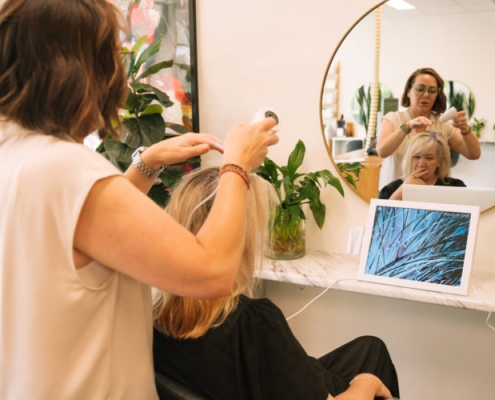 https://www.trichohealthclinic.com.au/wp-content/uploads/2026/04/Product-Buildup.jpg
500
1000
admin
https://www.trichohealthclinic.com.au/wp-content/uploads/2026/02/Tricho-Health-Clinic-Logo.png
admin2026-08-19 15:10:142026-08-19 15:10:14Product Buildup and Scalp Barrier Disruption
https://www.trichohealthclinic.com.au/wp-content/uploads/2026/04/Product-Buildup.jpg
500
1000
admin
https://www.trichohealthclinic.com.au/wp-content/uploads/2026/02/Tricho-Health-Clinic-Logo.png
admin2026-08-19 15:10:142026-08-19 15:10:14Product Buildup and Scalp Barrier Disruption
