
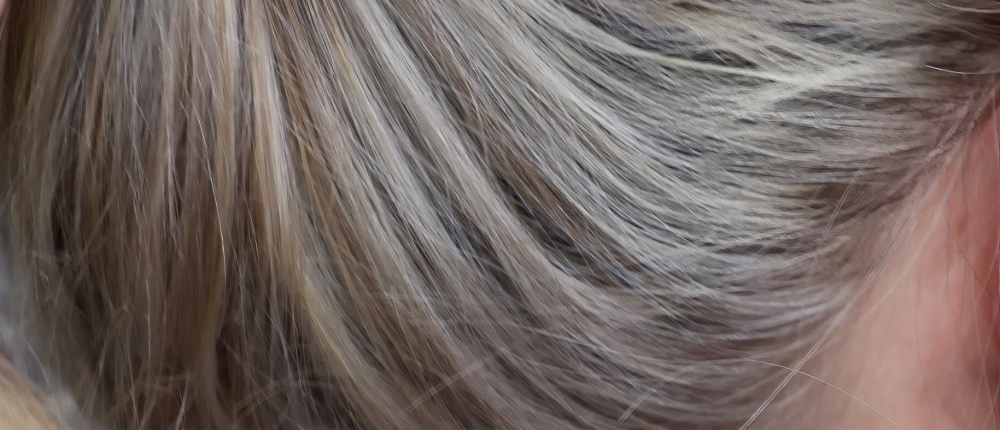
Telogen Effluvium Explained: The Temporary Hair Loss No One Talks About
Sudden hair shedding can be confronting, especially when it seems to appear without warning. Many clients worry they are developing permanent hair loss or that something serious is happening beneath the surface.
In many cases, the cause is telogen effluvium – a common, temporary form of hair shedding linked to physiological or hormonal stress. While the experience can feel alarming, understanding what’s happening often brings much-needed reassurance.
What is telogen effluvium?
Telogen effluvium is a form of temporary hair shedding that occurs when a higher-than-normal number of hairs enter the resting (telogen) phase of the hair growth cycle at the same time.
Hair grows in cycles:
- Anagen – active growth phase
- Catagen – transition phase
- Telogen – resting and shedding phase
Normally, only a small percentage of hairs are in the telogen phase. With telogen effluvium, that percentage increases, leading to noticeable shedding several weeks or months later.
Importantly, the hair follicle itself remains intact. This is not scarring hair loss and not permanent.
Clinical overviews from StatPearls (NCBI) and DermNet NZ describe telogen effluvium as a reversible condition once triggering factors stabilise.
What causes telogen effluvium?
Telogen effluvium is usually triggered by a physiological stressor rather than a direct problem with the hair or scalp.
Common triggers include:
- Rapid or significant weight loss
- Major dietary or nutritional changes
- Illness, infection, or fever
- Surgery or hospitalisation
- Hormonal shifts (including postpartum and menopause-related changes)
- Chronic or acute psychological stress
Research published in the National Center for Biotechnology Information has shown a clear association between rapid weight loss and telogen effluvium, particularly when metabolic and nutritional demands change quickly (NCBI – Telogen Effluvium Associated with Weight Loss).
This is why telogen effluvium is discussed across our weight loss medication cluster, including:
- Understanding the Link Between Weight Loss Drugs and Hair Shedding
- Ozempic and Hair Loss: What the Research Really Says
- Wegovy and Hair Loss: Separating Fact from Fear
- Mounjaro and Hair Loss: Is It a Common Side Effect?
Why does hair shedding start weeks or months later?
One of the most confusing aspects of telogen effluvium is timing.
Shedding usually begins 6–12 weeks after the triggering event, not immediately. This delay reflects the natural length of the hair cycle.
Authoritative reviews note this delayed onset as a defining feature of telogen effluvium (NCBI – Telogen Effluvium: A Review).
Because of this gap, many people feel the hair loss has appeared “out of nowhere”, when in reality the trigger has already passed.
What does telogen effluvium typically look like?
Telogen effluvium usually presents as diffuse shedding across the scalp, rather than patchy or localised loss.
Common signs include:
- Increased hair fall when washing or brushing
- Hair accumulating on pillows or clothing
- A thinner-feeling ponytail or part line
- No bald patches or scarring
According to patient-facing guidance from the Cleveland Clinic, shedding can feel dramatic, even though the condition itself is usually temporary.
How telogen effluvium is assessed at Tricho Health Clinic
Tricho Health Clinic does not diagnose medical conditions or advise on medications. What we do offer is a detailed Hair & Scalp Analysis to assess patterns that may be consistent with telogen effluvium.
An assessment may explore:
- The pattern and timing of hair shedding
- Recent health, weight, or lifestyle changes
- Scalp condition and hair density
- Whether shedding appears temporary or ongoing
Where appropriate, clients may be advised to seek medical review, particularly if shedding is prolonged, severe, or accompanied by other symptoms.
Supporting recovery from telogen effluvium
There is no instant fix for telogen effluvium. Recovery depends on stabilising the underlying trigger and supporting the hair as it returns to its normal growth cycle.
Clinic support may include:
- Targeted Scalp Treatments to maintain scalp health
- Guidance around gentle hair care during active shedding
- Ongoing Personalised Treatment Plans & Follow Up Care
- Preventative strategies through Preventative & Maintenance Care
Nutrition can also play a role, particularly after rapid weight loss or dietary change. This is explored further in our related article:
The Role of Nutrition and Supplements in Post-Weight-Loss Hair Recovery
When shedding may not be just telogen effluvium
In some cases, telogen effluvium can occur alongside other hair concerns or highlight underlying thinning patterns.
Further investigation may be needed if:
- Shedding continues beyond 6–9 months
- Hair density does not begin to recover
- There are signs of ongoing thinning or breakage
Related conditions such as Hair Breakage & Thinning or hormonally driven shedding (including Postpartum Hair Loss) may need to be considered.
This overlap is also why telogen effluvium will link closely with our upcoming menopause and hormonal hair change content.
Key takeaway
Telogen effluvium is common, temporary, and often reversible – but it deserves proper assessment and support.
Understanding the pattern of shedding, identifying contributing factors, and supporting recovery calmly and realistically can make a significant difference to both hair health and peace of mind.
Frequently Asked Questions
What is telogen effluvium?
Telogen effluvium is a temporary form of hair shedding caused by a larger-than-normal number of hairs entering the resting phase of the hair cycle at the same time.
How long after a trigger does telogen effluvium start?
Shedding usually begins 6–12 weeks after the triggering event, not immediately.
Is telogen effluvium permanent?
No. In most cases, telogen effluvium is temporary and hair regrowth occurs once the underlying trigger stabilises.
Can weight loss cause telogen effluvium?
Yes. Rapid or significant weight loss is a recognised trigger due to metabolic and nutritional changes in the body.
Does washing or brushing cause more hair loss?
No. Washing and brushing don’t cause telogen effluvium – they simply release hairs that are already in the shedding phase.
Can supplements stop telogen effluvium?
There is no supplement that stops telogen effluvium. Nutritional support may help recovery in some cases, but supplements are not a cure.
When should further investigation be considered?
If shedding continues beyond 6–9 months, worsens, or is accompanied by other symptoms, further medical assessment may be recommended.
You may be also interested in
 https://www.trichohealthclinic.com.au/wp-content/uploads/2026/01/Understanding-link-between-weight-loss-drugs.jpg
500
1000
admin
https://www.trichohealthclinic.com.au/wp-content/uploads/2026/02/Tricho-Health-Clinic-Logo.png
admin2026-01-07 04:15:572026-01-08 23:16:39Understanding the Link Between Weight Loss Drugs and Hair Shedding
https://www.trichohealthclinic.com.au/wp-content/uploads/2026/01/Understanding-link-between-weight-loss-drugs.jpg
500
1000
admin
https://www.trichohealthclinic.com.au/wp-content/uploads/2026/02/Tricho-Health-Clinic-Logo.png
admin2026-01-07 04:15:572026-01-08 23:16:39Understanding the Link Between Weight Loss Drugs and Hair Shedding
