
Vitamin B12 and Hair Changes: When Levels May Matter
Vitamin B12 is often associated with energy levels and neurological function, but its role in overall cellular health means it can also be relevant when looking at changes in hair. Many women experiencing increased shedding or reduced hair quality may not immediately consider B12 as a factor, particularly if symptoms are subtle or develop gradually over time.
While vitamin B12 deficiency is not a direct or standalone cause of hair loss, it can influence processes that support healthy hair growth. Understanding how B12 functions in the body, and how low levels may present, can help provide a clearer and more informed perspective when navigating hair concerns.
For a broader understanding of how nutrient levels may influence hair, you can refer to Nutrient Deficiencies That Affect Hair Growth in Women.
What Vitamin B12 Does in the Body
Vitamin B12 plays a key role in red blood cell formation, neurological function, and DNA synthesis. These processes are essential for maintaining healthy tissues throughout the body, including those that rely on regular cell turnover and regeneration, such as the hair follicle.
Because B12 supports the production of red blood cells, it contributes to the delivery of oxygen and nutrients to different parts of the body. Hair follicles, being highly active structures, depend on this consistent supply to sustain normal growth patterns.
How B12 May Influence Hair Changes
When vitamin B12 levels are low, it may affect how efficiently oxygen and nutrients are delivered to the hair follicle. Over time, this can influence the hair growth cycle, potentially contributing to increased shedding or changes in hair texture and strength.
While research on B12 specifically is less extensive compared to nutrients like iron, broader reviews such as this micronutrient review on hair loss highlight the importance of adequate vitamin levels in supporting normal hair function. This reinforces the idea that B12 should be considered as part of a wider nutritional picture rather than in isolation.
Signs That B12 Levels May Be Low
Low vitamin B12 levels can present in a variety of ways, although symptoms are not always obvious. Some women may experience fatigue, low energy, or difficulty concentrating, while others may notice subtle physical changes such as brittle hair or increased shedding.
Because these symptoms can overlap with many other conditions, they are not reliable indicators on their own. This is why it is important to avoid drawing conclusions based purely on how you feel and instead look at objective measures where appropriate.
Who May Be at Risk of Low B12
Certain groups of women may be more likely to have low vitamin B12 levels. This includes those following vegetarian or vegan diets, as B12 is primarily found in animal-based foods. Absorption can also decline with age, and certain digestive conditions may affect how well B12 is utilised by the body.
Periods of increased physical or emotional stress may also influence overall nutrient status, which can contribute to lower levels over time. These factors highlight why B12 is often considered during a broader assessment of hair concerns.
Why Hair Changes Are Often Delayed
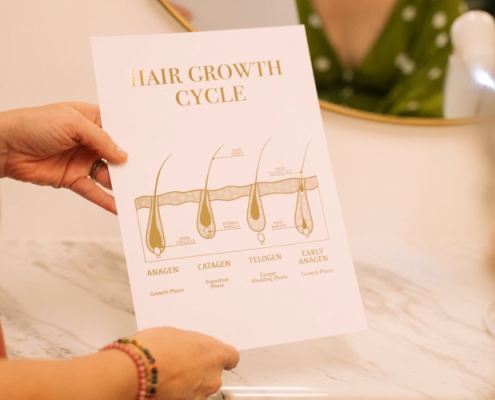
Hair growth operates on a delayed cycle, meaning that changes in nutrient levels do not immediately show up in the hair. It can take several weeks or months for the effects of low B12 to become visible, which can make it difficult to connect cause and effect.
This delay is one of the reasons many women feel confused about what is happening with their hair, as the trigger may have occurred some time before the shedding becomes noticeable.
The Role of Blood Testing
Blood testing provides a clearer way to assess vitamin B12 levels and determine whether they may be relevant to your hair changes. Rather than relying on assumptions or symptoms alone, testing allows for a more informed and structured approach.
If you would like to understand how blood testing fits into a broader assessment, you can read How Blood Tests Help Identify Hair-Related Deficiencies.
Why Self-Supplementing May Not Be Necessary
Because vitamin B12 is widely available in supplements, it is common for people to start taking it without confirming their levels first. While B12 is generally considered safe, taking supplements without a clear need may not address the underlying cause of hair changes.
A more effective approach involves understanding whether your levels are actually low and then determining the most appropriate way to address this. This ensures that any action taken is relevant and aligned with your individual needs.
A Structured Approach to Understanding Hair Changes
At Tricho Health Clinic, the focus is on understanding the full picture before making recommendations. This includes reviewing your hair history, lifestyle factors, and any relevant test results to identify potential contributing factors.
This approach helps avoid unnecessary guesswork and supports more personalised guidance. Where appropriate, collaboration with your GP ensures that all aspects of your health are considered.
If you would like to explore this further, you can learn more here: Hair & Scalp Analysis or Personalised Treatment Plans & Follow Up Care.
Final Thoughts
Vitamin B12 is one of several nutrients that may influence hair changes, particularly when levels are low over time. While it is not a direct cause of hair loss, it can contribute to patterns of shedding or reduced hair quality when combined with other factors.
The most helpful approach is to look at B12 as part of a broader assessment rather than focusing on it in isolation. By understanding your individual situation, you can make more informed decisions that support both your overall health and your hair.
Frequently Asked Questions
Can low vitamin B12 cause hair loss?
Low vitamin B12 levels may contribute to hair changes, particularly when combined with other factors such as stress or nutritional imbalance. However, it is rarely the sole cause of hair loss, which is why it is best considered as part of a broader picture.
How do I know if B12 is affecting my hair?
It can be difficult to determine this based on symptoms alone, as many signs of low B12 are non-specific. Blood testing provides a clearer understanding of your levels and whether they may be relevant to your hair concerns.
Should I take B12 supplements if I notice hair thinning?
It is generally more helpful to assess your levels before starting supplements. This ensures that any supplementation is appropriate for your needs rather than based on assumptions.
How long does it take for hair to improve after correcting B12 levels?
Hair growth takes time, so changes are not immediate. Even after levels are improved, it may take several months before visible differences appear due to the natural hair growth cycle.
Is vitamin B12 deficiency common?
It can be more common in certain groups, particularly those following plant-based diets or individuals with absorption issues. This is why it is often considered when assessing overall nutrient status.
Can I get enough B12 from diet alone?
Vitamin B12 is primarily found in animal-based foods, so intake depends on dietary patterns. Some individuals may meet their needs through diet, while others may require additional support.
Does B12 affect hair thickness or just shedding?
B12 may influence both shedding and overall hair quality, although the effects can vary between individuals. It is usually one of several factors involved rather than a single determining cause.
What is the best way to check B12 levels?
A blood test is the most reliable way to assess vitamin B12 levels and determine whether they may be contributing to your hair changes.
You may be also interested in
 https://www.trichohealthclinic.com.au/wp-content/uploads/2026/04/Iron-Deficiency.jpg
500
1000
admin
https://www.trichohealthclinic.com.au/wp-content/uploads/2026/02/Tricho-Health-Clinic-Logo.png
admin2026-10-19 15:13:462026-08-19 15:14:47Iron Deficiency and Hair Loss in Women: The Ferritin Connection
https://www.trichohealthclinic.com.au/wp-content/uploads/2026/04/Iron-Deficiency.jpg
500
1000
admin
https://www.trichohealthclinic.com.au/wp-content/uploads/2026/02/Tricho-Health-Clinic-Logo.png
admin2026-10-19 15:13:462026-08-19 15:14:47Iron Deficiency and Hair Loss in Women: The Ferritin Connection https://www.trichohealthclinic.com.au/wp-content/uploads/2026/04/Nutrition-Deficicencies.jpg
500
1000
admin
https://www.trichohealthclinic.com.au/wp-content/uploads/2026/02/Tricho-Health-Clinic-Logo.png
admin2026-10-14 15:13:442026-08-19 15:14:35Nutrient Deficiencies That Affect Hair Growth in Women
https://www.trichohealthclinic.com.au/wp-content/uploads/2026/04/Nutrition-Deficicencies.jpg
500
1000
admin
https://www.trichohealthclinic.com.au/wp-content/uploads/2026/02/Tricho-Health-Clinic-Logo.png
admin2026-10-14 15:13:442026-08-19 15:14:35Nutrient Deficiencies That Affect Hair Growth in Women https://www.trichohealthclinic.com.au/wp-content/uploads/2026/04/Zinc-Defficiency.jpg
500
1000
admin
https://www.trichohealthclinic.com.au/wp-content/uploads/2026/02/Tricho-Health-Clinic-Logo.png
admin2026-09-28 15:12:322026-08-19 15:12:44Zinc Deficiency and Scalp Health: A Hidden Contributor to Hair Loss
https://www.trichohealthclinic.com.au/wp-content/uploads/2026/04/Zinc-Defficiency.jpg
500
1000
admin
https://www.trichohealthclinic.com.au/wp-content/uploads/2026/02/Tricho-Health-Clinic-Logo.png
admin2026-09-28 15:12:322026-08-19 15:12:44Zinc Deficiency and Scalp Health: A Hidden Contributor to Hair Loss https://www.trichohealthclinic.com.au/wp-content/uploads/2026/04/How-blood-tests-help.jpg
500
1000
admin
https://www.trichohealthclinic.com.au/wp-content/uploads/2026/02/Tricho-Health-Clinic-Logo.png
admin2026-09-24 15:11:422026-10-15 06:55:59How Blood Tests Help Identify Hair-Related Deficiencies
https://www.trichohealthclinic.com.au/wp-content/uploads/2026/04/How-blood-tests-help.jpg
500
1000
admin
https://www.trichohealthclinic.com.au/wp-content/uploads/2026/02/Tricho-Health-Clinic-Logo.png
admin2026-09-24 15:11:422026-10-15 06:55:59How Blood Tests Help Identify Hair-Related Deficiencies https://www.trichohealthclinic.com.au/wp-content/uploads/2026/04/Vitamin-D.jpg
500
1000
admin
https://www.trichohealthclinic.com.au/wp-content/uploads/2026/02/Tricho-Health-Clinic-Logo.png
admin2026-09-04 15:13:462026-09-03 12:54:31Vitamin D and Hair Thinning: What the Research Suggests
https://www.trichohealthclinic.com.au/wp-content/uploads/2026/04/Vitamin-D.jpg
500
1000
admin
https://www.trichohealthclinic.com.au/wp-content/uploads/2026/02/Tricho-Health-Clinic-Logo.png
admin2026-09-04 15:13:462026-09-03 12:54:31Vitamin D and Hair Thinning: What the Research Suggests https://www.trichohealthclinic.com.au/wp-content/uploads/2026/04/Vitamin-B12.jpg
500
1000
admin
https://www.trichohealthclinic.com.au/wp-content/uploads/2026/02/Tricho-Health-Clinic-Logo.png
admin2026-08-25 12:13:482026-08-24 11:30:42Vitamin B12 and Hair Changes: When Levels May Matter
https://www.trichohealthclinic.com.au/wp-content/uploads/2026/04/Vitamin-B12.jpg
500
1000
admin
https://www.trichohealthclinic.com.au/wp-content/uploads/2026/02/Tricho-Health-Clinic-Logo.png
admin2026-08-25 12:13:482026-08-24 11:30:42Vitamin B12 and Hair Changes: When Levels May Matter
