
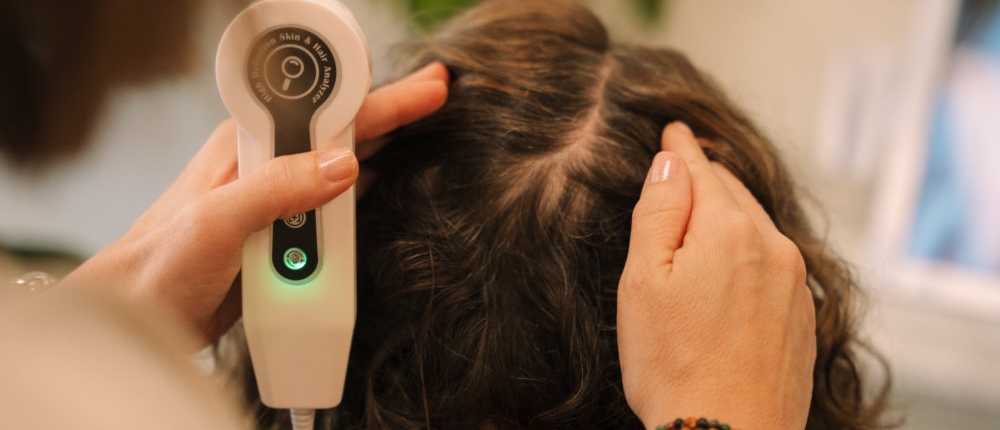
Why Hair Texture Can Change After Pregnancy
After pregnancy, most conversations around hair tend to focus on shedding. However, many women also notice something less talked about — their hair simply feels different. It may become drier, frizzier, flatter, or more difficult to manage, even if the overall amount of hair appears to be returning to normal.
These changes can be unexpected and, at times, frustrating, particularly when your previous hair routine no longer seems to work in the same way. Understanding why hair texture can change after pregnancy helps put these shifts into context and reduces the feeling that something is “wrong.”
For a broader overview of postpartum hair changes, you can refer to Postpartum Hair Loss: What’s Normal and What’s Not.
The Role of Hormones in Hair Texture
Hormonal changes are one of the main drivers of how hair behaves during and after pregnancy. During pregnancy, increased oestrogen levels can lead to hair that feels thicker, smoother, and more manageable. This is because the hair remains in the growth phase for longer, creating a fuller appearance.
After birth, as hormone levels begin to shift back toward their pre-pregnancy state, the hair growth cycle adjusts. This change does not only affect shedding but can also influence how the hair feels and behaves. As the hair cycle resets, new hair growth may differ slightly in texture from what you were used to during pregnancy.Research on hair growth and physiological changes, including this review on hair loss and micronutrients, highlights how internal changes can influence not only shedding but also the overall behaviour and quality of the hair.
Why New Hair Growth Feels Different
As postpartum shedding slows down, new hair begins to grow. This regrowth often appears as shorter hairs around the hairline or parting, which can feel different in texture. These new hairs may be finer, softer, or more difficult to manage initially, which can create the impression that the overall texture of the hair has changed.
Because these hairs are at an earlier stage of growth, they may not yet reflect the full characteristics of your usual hair. Over time, as they grow longer, the texture often becomes more consistent with your natural pattern.
The Impact of Scalp Health on Hair Texture
The condition of the scalp can also influence how the hair feels. If the scalp environment is imbalanced — for example, due to dryness, sensitivity, or buildup — this can affect how the hair sits and behaves.
A healthy scalp supports smoother, more predictable hair growth, while an imbalanced scalp may contribute to changes in texture, manageability, or overall feel. You can explore this further in Scalp Health and the Hair Growth Environment.
The Role of Nutrients in Hair Quality
Nutrient levels can also influence hair texture, particularly during the postpartum period when the body is recovering from pregnancy and may have increased demands. Nutrients such as iron, zinc, and vitamins play a role in supporting hair structure and strength.
If nutrient levels are low, the hair may feel weaker, drier, or less resilient. Research exploring micronutrients and hair growth, including this review on micronutrients and hair health, highlights how nutritional balance supports overall hair quality.
You can explore this further in Nutrient Deficiencies That Affect Hair Growth in Women and Iron Levels After Birth and Hair Recovery.
Why Hair May Feel Drier or More Frizzy
Some women notice that their hair feels drier or more prone to frizz after pregnancy. This can be linked to hormonal changes, but also to how the scalp is producing and distributing natural oils. If oil production changes, it can affect how the hair is naturally conditioned.
In addition, changes in routine, such as less time for hair care or increased use of certain products, can also influence how the hair feels day to day.
Can Hair Texture Change Permanently?
In most cases, hair texture changes after pregnancy are temporary and gradually settle as the body returns to a more stable state. However, some women notice that certain aspects of their hair remain slightly different, particularly in terms of thickness or manageability.
This variation is often subtle and reflects the natural changes that can occur over time rather than a permanent alteration caused by pregnancy alone.
When Texture Changes May Be Worth Exploring
If changes in hair texture are accompanied by ongoing shedding, noticeable thinning, or scalp discomfort, it may be helpful to look more closely at what is happening. These combined symptoms can sometimes indicate that additional factors, such as nutrient levels or scalp health, are influencing the hair.
You can explore when further assessment may be helpful here: When Postpartum Hair Loss Should Be Assessed.
A Structured Approach to Understanding Hair Changes
At Tricho Health Clinic, changes in hair texture are considered alongside other factors such as shedding patterns, scalp condition, and overall health. This approach helps provide a clearer understanding of what may be contributing and how best to support your hair during the postpartum period.
If you would like to explore this further, you can learn more here: Hair & Scalp Analysis, Personalised Treatment Plans & Follow Up Care, or Preventative & Maintenance Care.
Final Thoughts
Hair texture changes after pregnancy are a common but often unexpected part of the postpartum experience. While they can feel frustrating, they are usually linked to natural shifts in hormones, growth cycles, and overall recovery.
By understanding why these changes occur, it becomes easier to adapt and approach them with more confidence, and to recognise when it may be helpful to look more closely at the underlying factors.
Frequently Asked Questions
Why has my hair texture changed after pregnancy?
Hair texture changes are often linked to hormonal shifts that occur during and after pregnancy. These changes can influence the hair growth cycle, the structure of new hair growth, and how the scalp functions. As a result, hair may feel different in terms of thickness, smoothness, or manageability.
Will my hair go back to normal after pregnancy?
In many cases, hair gradually returns to its usual texture as the body stabilises and the hair growth cycle rebalances. However, this process takes time, and the transition may feel gradual rather than immediate. Some women may notice subtle long-term differences, but these are usually not drastic.
Why does my new hair feel different from my old hair?
New hair growth after shedding often feels different because it is at an earlier stage of development. These shorter hairs may be finer or more delicate, which can make the overall texture feel inconsistent until the hair grows longer.
Can hormone changes affect hair texture permanently?
Hormones can influence hair behaviour, but permanent changes are less common. Most differences settle over time as hormone levels stabilise. Any ongoing changes are usually subtle rather than dramatic.
Why is my hair more frizzy after pregnancy?
Changes in oil production, hair structure, and scalp condition can all contribute to increased frizz. If the scalp produces less natural oil or if the hair cuticle behaves differently, the hair may feel less smooth and more difficult to manage.
Can nutrient deficiencies affect hair texture?
Yes, nutrients play a role in supporting hair structure and strength. If levels are low, the hair may feel weaker, drier, or less resilient. This is why nutrition is often considered when hair changes occur during the postpartum period.
Should I change my hair routine after pregnancy?
It may be helpful to adjust your routine based on how your hair currently behaves, rather than relying on what worked previously. This can include changes in products, frequency of washing, or styling methods.
When should I be concerned about changes in hair texture?
If texture changes occur alongside ongoing shedding, noticeable thinning, or scalp discomfort, it may be worth exploring further. Looking at the broader picture can help identify whether additional factors are influencing your hair.
You may be also interested in
 https://www.trichohealthclinic.com.au/wp-content/uploads/2026/04/When-Postpartum-Hair-Loss-Should-be-Assessed.jpg
500
1000
admin
https://www.trichohealthclinic.com.au/wp-content/uploads/2026/02/Tricho-Health-Clinic-Logo.png
admin2026-09-30 15:12:322026-08-19 15:12:53When Postpartum Hair Loss Should Be Assessed
https://www.trichohealthclinic.com.au/wp-content/uploads/2026/04/When-Postpartum-Hair-Loss-Should-be-Assessed.jpg
500
1000
admin
https://www.trichohealthclinic.com.au/wp-content/uploads/2026/02/Tricho-Health-Clinic-Logo.png
admin2026-09-30 15:12:322026-08-19 15:12:53When Postpartum Hair Loss Should Be Assessed https://www.trichohealthclinic.com.au/wp-content/uploads/2026/04/Iron-levels-after-pregnancy.jpg
500
1000
admin
https://www.trichohealthclinic.com.au/wp-content/uploads/2026/02/Tricho-Health-Clinic-Logo.png
admin2026-09-03 15:09:022026-08-19 15:09:46Iron Levels After Birth and Hair Recovery
https://www.trichohealthclinic.com.au/wp-content/uploads/2026/04/Iron-levels-after-pregnancy.jpg
500
1000
admin
https://www.trichohealthclinic.com.au/wp-content/uploads/2026/02/Tricho-Health-Clinic-Logo.png
admin2026-09-03 15:09:022026-08-19 15:09:46Iron Levels After Birth and Hair Recovery https://www.trichohealthclinic.com.au/wp-content/uploads/2026/04/Postpartum-Hair-Loss-whats-Normal.jpg
500
1000
admin
https://www.trichohealthclinic.com.au/wp-content/uploads/2026/02/Tricho-Health-Clinic-Logo.png
admin2026-09-01 15:09:012026-08-19 15:09:38Postpartum Hair Loss: What’s Normal and What’s Not
https://www.trichohealthclinic.com.au/wp-content/uploads/2026/04/Postpartum-Hair-Loss-whats-Normal.jpg
500
1000
admin
https://www.trichohealthclinic.com.au/wp-content/uploads/2026/02/Tricho-Health-Clinic-Logo.png
admin2026-09-01 15:09:012026-08-19 15:09:38Postpartum Hair Loss: What’s Normal and What’s Not https://www.trichohealthclinic.com.au/wp-content/uploads/2026/04/Telogen-Effluvium-after-Pregnancy.jpg
500
1000
admin
https://www.trichohealthclinic.com.au/wp-content/uploads/2026/02/Tricho-Health-Clinic-Logo.png
admin2026-08-25 15:08:202026-08-19 15:09:17Telogen Effluvium After Pregnancy: Why Shedding Happens
https://www.trichohealthclinic.com.au/wp-content/uploads/2026/04/Telogen-Effluvium-after-Pregnancy.jpg
500
1000
admin
https://www.trichohealthclinic.com.au/wp-content/uploads/2026/02/Tricho-Health-Clinic-Logo.png
admin2026-08-25 15:08:202026-08-19 15:09:17Telogen Effluvium After Pregnancy: Why Shedding Happens https://www.trichohealthclinic.com.au/wp-content/uploads/2026/04/Why-hair-texture-can-change-after-pregnancy.jpg
500
1000
admin
https://www.trichohealthclinic.com.au/wp-content/uploads/2026/02/Tricho-Health-Clinic-Logo.png
admin2026-08-24 07:00:202026-08-24 11:23:16Why Hair Texture Can Change After Pregnancy
https://www.trichohealthclinic.com.au/wp-content/uploads/2026/04/Why-hair-texture-can-change-after-pregnancy.jpg
500
1000
admin
https://www.trichohealthclinic.com.au/wp-content/uploads/2026/02/Tricho-Health-Clinic-Logo.png
admin2026-08-24 07:00:202026-08-24 11:23:16Why Hair Texture Can Change After Pregnancy https://www.trichohealthclinic.com.au/wp-content/uploads/2026/04/Breastfeeding-and-hair-changes.jpg
500
1000
admin
https://www.trichohealthclinic.com.au/wp-content/uploads/2026/02/Tricho-Health-Clinic-Logo.png
admin2026-08-11 00:16:552026-08-11 13:00:40Breastfeeding and Hair Changes: Is There a Connection?
https://www.trichohealthclinic.com.au/wp-content/uploads/2026/04/Breastfeeding-and-hair-changes.jpg
500
1000
admin
https://www.trichohealthclinic.com.au/wp-content/uploads/2026/02/Tricho-Health-Clinic-Logo.png
admin2026-08-11 00:16:552026-08-11 13:00:40Breastfeeding and Hair Changes: Is There a Connection?
