

Why Is My Hair Breaking? Common Causes of Hair Breakage in Women
If your hair suddenly seems to be snapping, feels rougher than usual or looks noticeably thinner through the lengths and ends, it is easy to assume that you are experiencing hair loss. But sometimes the problem is not that the hair is falling from the scalp. It is breaking somewhere along the hair shaft.
Hair breakage can happen gradually, which means you may not notice a dramatic change from one day to the next. Instead, your ponytail may start looking thinner towards the ends, your hair may seem as though it never grows beyond a certain length, or you may find lots of shorter pieces of hair when brushing or styling.
There are many reasons hair can become vulnerable to breakage, and often there is more than one factor involved. Understanding what is weakening the hair is important because simply buying a strengthening shampoo or taking a hair supplement may not address the actual cause.
If you are not sure whether your hair is snapping or being shed from the follicle, start with our guide to Hair Breakage vs Hair Loss: How to Tell What’s Actually Happening.
What Actually Happens When Hair Breaks?
The part of your hair that you can see is the hair shaft. It is made primarily from keratin and has several structural layers, including an outer protective layer known as the cuticle. Although the hair shaft is surprisingly resilient, it is not indestructible.
Everyday washing, brushing, styling, weather exposure and friction place some stress on the hair. Chemical processing and high temperatures can add considerably more. Over time, damage can accumulate, the protective cuticle can become compromised and the hair can become increasingly vulnerable to splitting and snapping.
A peer-reviewed review of hair cosmetics and the structure of the hair shaft discusses how cosmetic procedures can alter the physical properties of hair. This helps explain why repeatedly processed hair can behave very differently from healthier, less damaged hair.
Bleaching and Chemical Processing
Bleaching is one of the more obvious causes of acquired hair damage because the chemical process needs to penetrate the hair shaft to remove pigment. The effect can be particularly noticeable when hair is repeatedly lightened, overlapped during subsequent appointments or subjected to several chemical processes.
This does not mean that everyone who colours or lightens their hair will experience significant breakage. The condition of the hair before processing, the strength and frequency of the chemical treatments, how they are applied and what happens to the hair between appointments all matter.
Problems are more likely to become noticeable when the amount of damage being accumulated exceeds what the hair shaft can tolerate. Hair may start feeling unusually dry or rough, become difficult to detangle, lose elasticity or begin snapping through the lengths.
We look specifically at the distinction between cosmetic damage and genuine hair loss in Can Bleaching, Colouring and Heat Styling Cause Hair Loss?.
Frequent Heat Styling
Hairdryers, straighteners, curling irons and other heated tools are part of everyday haircare for many women. The issue is generally not that using a hairdryer occasionally will suddenly make your hair break. It is the cumulative effect of repeated high temperatures, particularly when the hair is already chemically processed or fragile.
Very high heat can damage the hair shaft and reduce its ability to withstand further physical stress. Repeatedly passing straighteners over the same section, holding heated tools on the hair for too long or using high temperatures unnecessarily can increase that stress.
The American Academy of Dermatology recommends using the lowest heat setting that achieves the desired result and limiting how frequently heated styling tools are used to reduce hair damage.
If your hair is both bleached and regularly heat styled, it is particularly worth looking at the combined effect. Damage is not always caused by one dramatic event. It can build gradually through several different practices.
Brushing and Detangling
Something as ordinary as brushing your hair can contribute to breakage if fragile strands are repeatedly pulled, stretched or torn while detangling.
Hair that is tangled should be handled carefully rather than aggressively brushed from the roots down. Starting closer to the ends and gradually working upwards can reduce unnecessary pulling through knots.
How you handle wet hair also matters. Depending on hair type, wet hair can be particularly vulnerable to stretching and mechanical damage. Rough towel drying, forceful detangling or pulling through knots can add stress to hair that is already compromised.
The aim is not to become frightened of brushing your hair. Normal grooming is not inherently damaging. It is repeated excessive force, particularly on fragile or heavily processed hair, that can become a problem.
Tight Hairstyles and Repeated Tension
A sleek ponytail or bun may look harmless, but wearing the hair tightly pulled back day after day can place repeated stress on both the hair shaft and the follicles, particularly around the hairline and temples.
Initially, you may notice shorter broken hairs around areas experiencing the most tension. However, persistent pulling can become more than a breakage problem. Over time, repeated tension on the follicles can contribute to Traction Alopecia.
This distinction matters. Hair that has snapped can continue growing from a healthy follicle. Traction alopecia involves the follicle itself, and prolonged traction can eventually result in permanent hair loss in affected areas.
If most of your shorter hairs seem concentrated around the front or top of the scalp, our article on hair breaking at the crown and hairline looks more closely at what may be happening.
Extensions and Added Hair
Hair extensions can add instant length and volume, but they can also add weight and tension to natural hair. The amount of risk depends on the type of extensions, how they are applied and maintained, their weight, the condition of your natural hair and how long they are worn.
If natural hair is already fine, fragile or chemically compromised, the additional pulling and styling involved with extensions may contribute to breakage. Discomfort, persistent pulling or tenderness should not simply be accepted as part of wearing extensions.
Again, there is an important distinction between damage to the hair shaft and excessive tension affecting the follicle. If changes are occurring close to the scalp or around attachment points, they deserve closer attention.
Friction Can Cause More Damage Than You Realise
Not all hair damage comes from salon services or styling tools. Repeated friction can gradually wear down the hair shaft too.
Hair rubbing against clothing, towels, bedding or other surfaces can contribute to tangling and mechanical wear, particularly when the hair is long, curly, dry or already damaged. Constantly touching, twisting or pulling at the hair can add further stress.
This type of damage is easy to overlook because there is no single moment when something obviously goes wrong. Instead, the effects accumulate over time.
Why Are My Ends So Much Thinner Than My Roots?
If your hair looks relatively full close to the scalp but becomes increasingly sparse towards the ends, breakage and weathering of the older lengths may be contributing.
The hair at your ends is the oldest hair on your head. If your hair is long, those ends may have been exposed to years of washing, sunlight, heat, colouring, brushing and friction. It is therefore unsurprising that they can be more vulnerable than the newer growth close to the scalp.
When breakage is occurring faster than length can be retained, people often describe their hair as having “stopped growing”. In reality, the follicles may still be producing hair normally, but the length is being lost through repeated breakage.
Is It Breakage or New Hair Growing Through?
Seeing lots of short hairs can actually be a good sign if they represent new growth. Unfortunately, when you are already worried about thinning, it can be difficult to tell the difference.
New hairs growing from the scalp often have finer, tapered ends and may appear in a more consistent pattern. Broken hairs can occur at many different lengths and may have blunt, split or frayed ends, particularly when the surrounding hair also shows signs of damage.
There are exceptions, though, and looking at one individual strand rarely tells the whole story. We explore this in more detail in New Hair Growth or Breakage? How to Tell the Difference.
Can Nutrition Cause Hair to Break?
Nutrition plays an important role in producing normal hair, but it is worth being careful about jumping immediately from “my hair is breaking” to “I must be deficient in something”.
Hair changes can occur alongside nutritional deficiencies and other health issues, but breakage also has many external causes. If the hair has been heavily bleached and straightened every day, for example, taking a supplement does not remove the physical damage already affecting the shaft.
Equally, unexplained changes should not automatically be dismissed as cosmetic damage simply because you colour or style your hair.
This is one reason we recommend understanding what is actually happening before reaching for supplements. Our article Hair Supplements for Hair Loss: What Works, What Doesn’t, and Why Diagnosis Comes First explains this in more detail.
Can Hair Products Repair Broken Hair?
Conditioners, masks and other cosmetic treatments can improve the feel and appearance of damaged hair and may help reduce friction and further breakage. Some products can temporarily improve the way a damaged hair shaft behaves.
However, a hair shaft is not living tissue and cannot biologically heal itself in the way that skin can. Once a strand has split or snapped, no product can permanently reconnect that broken piece of hair.
The practical goal is therefore to improve the condition and manageability of the existing hair where possible, minimise further damage and protect healthier hair as it grows from the scalp.
What If You Change Your Haircare Routine and the Breakage Continues?
If there is an obvious source of damage, reducing it should help protect the hair growing forward. But if you have made sensible changes and your hair continues to deteriorate, or there was no obvious cause in the first place, it may be worth looking more closely.
This is particularly important if the apparent breakage is accompanied by increased shedding, changes in scalp visibility, widening of the part, patches of reduced density or scalp symptoms such as itching, redness, scaling, burning or tenderness.
Sometimes what looks like breakage from the bathroom mirror turns out to involve hair loss as well. Our article When Hair Breakage Could Signal Something More Than Hair Damage explains some of the signs that warrant further investigation.
How Can You Reduce Further Hair Breakage?
The right approach depends on what is causing the damage, but generally it means reducing unnecessary stress on the hair rather than trying to find one miracle product.
This may involve spacing chemical services appropriately, lowering the temperature or frequency of heated tools, handling wet and tangled hair more carefully, avoiding excessive tension and reconsidering any styling practices that repeatedly stress the same areas.
If your hair is already significantly compromised, doing more to it in an attempt to make it look healthier can sometimes make matters worse. Adding another chemical service or repeatedly heat styling fragile hair to make it appear smoother may temporarily change its appearance while placing additional stress on the shaft.
Giving healthier hair the opportunity to grow through while protecting the existing lengths is usually a longer-term process. Hair grows gradually, so improvement in overall length and fullness takes time.
When Is It Worth Having Your Hair Assessed?
Not every split end or broken strand needs professional investigation. Hair naturally experiences wear over time, particularly when it is long or chemically treated.
However, an assessment can be useful when breakage becomes significant, appears suddenly, continues despite changing your routine, or is accompanied by noticeable thinning or increased shedding. It can also be helpful when you simply cannot tell whether the short hairs you are seeing represent breakage, regrowth or something happening at the follicle.
Looking at the pattern of change, the condition of the hair shaft and what is happening at the scalp can provide much more useful information than assuming all thinning has the same cause.
Concerned About Hair Breakage or Thinning?
If your hair is becoming increasingly fragile, snapping through the lengths or looking noticeably thinner, the first step is understanding why. At Tricho Health Clinic, we look at hair breakage and thinning in the context of your hair, scalp, history and the changes you have been experiencing.
From there, we can help you understand whether the problem appears to be primarily hair-shaft damage, whether thinning or shedding may also be involved, and what next steps may be appropriate for you.
Learn more about our Hair Breakage & Thinning service and how we can help.
Frequently Asked Questions
What causes hair to suddenly start breaking?
Hair can start breaking when the hair shaft becomes weakened by factors such as bleaching, chemical processing, frequent heat styling, tight hairstyles, extensions, friction or aggressive brushing and detangling. Sometimes several types of damage build up over time before the breakage becomes noticeable.
How can I tell if my hair is damaged enough to break?
Damaged hair may feel rough, dry or unusually fragile. You might notice increased tangling, split or frayed ends, shorter pieces of hair, uneven lengths or hair that snaps easily when handled. The ends may also look considerably thinner than the hair closer to your scalp.
Why does my hair keep breaking even though it is growing?
Your follicles may be producing hair normally, but the existing hair can break before you retain additional length. This can make it seem as though your hair has stopped growing when it is actually growing at the scalp and repeatedly snapping further down the shaft.
Can bleaching cause permanent hair breakage?
Bleaching can significantly weaken the existing hair shaft, particularly with repeated or overlapping chemical processing. Damage to an existing strand cannot biologically heal itself, but new hair can continue growing from a healthy follicle. Reducing further damage helps protect that new growth.
Can heat-damaged hair recover?
Products and changes to your haircare routine can improve the appearance and manageability of heat-damaged hair and help prevent further breakage. However, severely damaged portions of the hair shaft cannot biologically repair themselves. They will eventually need to grow out and be trimmed away.
Can tight ponytails cause hair breakage?
Yes. Repeated tension can contribute to broken hairs, particularly around the hairline and temples. Continual pulling can also affect the follicles and potentially lead to traction alopecia, so persistent thinning around areas under tension should not automatically be assumed to be simple breakage.
Can vitamin deficiencies cause hair breakage?
Certain nutritional deficiencies can contribute to changes in hair quality or hair loss, but breakage does not automatically mean you have a deficiency. Chemical, heat and mechanical damage are also common causes, so it is important to consider the overall pattern rather than assuming supplements are the answer.
When should I be concerned about hair breakage?
Consider having your hair and scalp assessed if breakage is significant, unexplained, worsening or continues despite reducing obvious sources of damage. Increased shedding, noticeable loss of density, patches of thinning or scalp symptoms alongside the breakage are also reasons to investigate further.
You may be also interested in
 https://www.trichohealthclinic.com.au/wp-content/uploads/2026/08/When-hair-breakage-needs-assessment.jpg
500
1000
admin
https://www.trichohealthclinic.com.au/wp-content/uploads/2026/02/Tricho-Health-Clinic-Logo.png
admin2026-08-10 10:57:182026-08-11 12:33:45When Hair Breakage Could Signal Something More Than Hair Damage
https://www.trichohealthclinic.com.au/wp-content/uploads/2026/08/When-hair-breakage-needs-assessment.jpg
500
1000
admin
https://www.trichohealthclinic.com.au/wp-content/uploads/2026/02/Tricho-Health-Clinic-Logo.png
admin2026-08-10 10:57:182026-08-11 12:33:45When Hair Breakage Could Signal Something More Than Hair Damage https://www.trichohealthclinic.com.au/wp-content/uploads/2026/08/Can-bleaching-colouring.jpg
500
1000
admin
https://www.trichohealthclinic.com.au/wp-content/uploads/2026/02/Tricho-Health-Clinic-Logo.png
admin2026-08-10 10:54:452026-08-11 12:35:07Can Bleaching, Colouring and Heat Styling Cause Hair Loss?
https://www.trichohealthclinic.com.au/wp-content/uploads/2026/08/Can-bleaching-colouring.jpg
500
1000
admin
https://www.trichohealthclinic.com.au/wp-content/uploads/2026/02/Tricho-Health-Clinic-Logo.png
admin2026-08-10 10:54:452026-08-11 12:35:07Can Bleaching, Colouring and Heat Styling Cause Hair Loss? https://www.trichohealthclinic.com.au/wp-content/uploads/2026/08/Hair-breaking-at-crown.jpg
500
1000
admin
https://www.trichohealthclinic.com.au/wp-content/uploads/2026/02/Tricho-Health-Clinic-Logo.png
admin2026-08-10 10:53:192026-08-11 12:35:44Hair Breaking at the Crown and Hairline: Why Does It Happen?
https://www.trichohealthclinic.com.au/wp-content/uploads/2026/08/Hair-breaking-at-crown.jpg
500
1000
admin
https://www.trichohealthclinic.com.au/wp-content/uploads/2026/02/Tricho-Health-Clinic-Logo.png
admin2026-08-10 10:53:192026-08-11 12:35:44Hair Breaking at the Crown and Hairline: Why Does It Happen? https://www.trichohealthclinic.com.au/wp-content/uploads/2026/08/New-hair-growth-or-breakage.jpg
500
1000
admin
https://www.trichohealthclinic.com.au/wp-content/uploads/2026/02/Tricho-Health-Clinic-Logo.png
admin2026-08-10 10:51:562026-08-11 10:37:16New Hair Growth or Breakage? How to Tell the Difference
https://www.trichohealthclinic.com.au/wp-content/uploads/2026/08/New-hair-growth-or-breakage.jpg
500
1000
admin
https://www.trichohealthclinic.com.au/wp-content/uploads/2026/02/Tricho-Health-Clinic-Logo.png
admin2026-08-10 10:51:562026-08-11 10:37:16New Hair Growth or Breakage? How to Tell the Difference https://www.trichohealthclinic.com.au/wp-content/uploads/2026/08/Why-is-my-hair-breaking.jpg
500
1000
admin
https://www.trichohealthclinic.com.au/wp-content/uploads/2026/02/Tricho-Health-Clinic-Logo.png
admin2026-08-10 10:50:542026-08-11 10:38:22Why Is My Hair Breaking? Common Causes of Hair Breakage in Women
https://www.trichohealthclinic.com.au/wp-content/uploads/2026/08/Why-is-my-hair-breaking.jpg
500
1000
admin
https://www.trichohealthclinic.com.au/wp-content/uploads/2026/02/Tricho-Health-Clinic-Logo.png
admin2026-08-10 10:50:542026-08-11 10:38:22Why Is My Hair Breaking? Common Causes of Hair Breakage in Women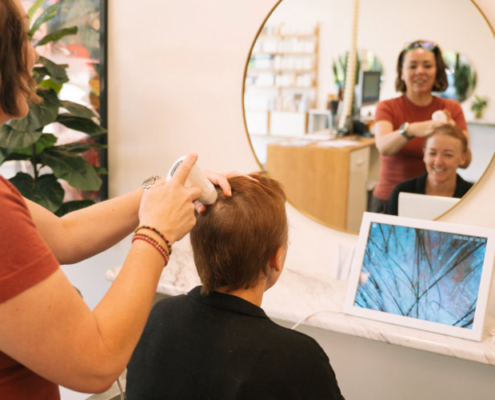 https://www.trichohealthclinic.com.au/wp-content/uploads/2026/08/Hair-breakage-vs-hair-loss.jpg
500
1000
admin
https://www.trichohealthclinic.com.au/wp-content/uploads/2026/02/Tricho-Health-Clinic-Logo.png
admin2026-08-10 10:49:402026-08-11 10:39:16Hair Breakage vs Hair Loss: How to Tell What’s Actually Happening
https://www.trichohealthclinic.com.au/wp-content/uploads/2026/08/Hair-breakage-vs-hair-loss.jpg
500
1000
admin
https://www.trichohealthclinic.com.au/wp-content/uploads/2026/02/Tricho-Health-Clinic-Logo.png
admin2026-08-10 10:49:402026-08-11 10:39:16Hair Breakage vs Hair Loss: How to Tell What’s Actually Happening
