

Hair Breakage vs Hair Loss: How to Tell What’s Actually Happening
You notice more hair in the shower. Your ponytail feels thinner. There are short hairs sticking up around your part or hairline. Perhaps the ends suddenly look wispy, or your hair simply does not seem as full as it used to.
It is easy to look at any of these changes and think, “My hair is falling out.” But that is not necessarily what is happening.
Hair breakage and hair loss can both make your hair look thinner, but they are two very different processes. Breakage happens when the hair shaft snaps somewhere along its length. Hair loss occurs when the entire hair sheds or is lost from the follicle. And to make things slightly more complicated, it is possible to experience both at the same time.
Understanding the difference matters because the reasons behind them – and what you do next – can be very different. If you are worried about changes in the strength, thickness or density of your hair, knowing what to look for can help you work out whether you are dealing with hair breakage and thinning, increased shedding, or a form of hair loss that warrants further assessment.
What Is Hair Breakage?
Each strand of hair that you can see is known as the hair shaft. Although hair can feel remarkably strong, the shaft can become weakened by chemical processing, heat, friction, repeated tension and everyday wear and tear. When the shaft becomes sufficiently compromised, it can split or snap.
Because the hair breaks somewhere along its length rather than being shed from the root, broken hairs can be many different lengths. You may notice short pieces of hair around the sink or bathroom, uneven sections through your hair, lots of shorter hairs around the crown or hairline, or ends that seem to become progressively thinner even though you have not changed your haircut.
The DermNet information on hair shaft disorders explains that hair fragility and breakage can result from physical and chemical injury to the hair shaft as well as from less common structural abnormalities of the hair itself.
If breakage seems to be the main problem, our article Why Is My Hair Breaking? Common Causes of Hair Breakage in Women looks more closely at the different factors that can weaken the hair shaft.
What Do We Mean by Hair Loss?
Hair loss is different because the problem involves the hair follicle or the normal hair growth and shedding cycle rather than simply the visible hair shaft snapping.
Every scalp naturally sheds hair as individual follicles move through their growth cycle. Finding some full-length hairs in your brush or shower is therefore completely normal. The concern is usually when shedding increases noticeably, continues for longer than expected, or is accompanied by changes in overall density, widening of the part, recession of the hairline or distinct areas of hair loss.
There are also many different types of hair loss. Some cause increased shedding across the scalp, while others produce particular patterns or patches. Some are temporary, while others can be progressive.
For example, Telogen Effluvium can cause a noticeable increase in shedding after a disruption to the normal hair growth cycle. In contrast, Alopecia Areata typically causes distinct areas of hair loss. Neither should be confused with hair simply snapping because the shaft has become damaged.
How Can You Tell Whether Your Hair Is Breaking or Falling Out?
One of the easiest places to start is by looking at the hairs you are finding.
A naturally shed hair has separated from the follicle and is therefore usually close to the full length of your hair. You may notice a small pale or club-shaped bulb at one end. This is not the entire follicle being pulled from your scalp – the follicle remains within the skin and can normally produce another hair.
Broken hairs tend to look different. They may be much shorter than the rest of your hair and vary considerably in length because they have snapped at different points along the shaft. You might also notice frayed ends, split ends, roughness or sections where the hair suddenly looks less dense towards the ends.
However, looking at one or two hairs is rarely enough to tell you exactly what is happening. The overall pattern matters too.
Signs That Point More Towards Hair Breakage
Hair breakage often changes the appearance and manageability of the hair itself. You might notice that your hair feels rougher, tangles more easily, develops more split ends or seems unable to grow beyond a certain length because the ends keep breaking faster than you can retain them.
You may also see lots of shorter hairs throughout areas that experience the most stress. The crown, temples and hairline can be particularly noticeable because these areas may be repeatedly exposed to brushing, styling, heat, friction or tension.
Breakage can also be concentrated in chemically processed sections. If you bleach or colour your hair, for example, you may notice that the more heavily processed lengths feel different from the newer hair closer to the scalp.
If the shorter hairs are what have you worried, don’t automatically assume they are damaged. They may also represent new growth. We explain the clues in New Hair Growth or Breakage? How to Tell the Difference.
Signs That Point More Towards Hair Shedding or Hair Loss
If you are seeing an increased number of full-length hairs coming away from the scalp, particularly during washing, brushing or simply throughout the day, increased shedding may be more likely than breakage.
You might notice substantially more hair in the shower drain, on your pillow, through your brush or on your clothes. Over time, your ponytail may feel smaller or your scalp may become more visible even though the individual strands do not necessarily look damaged.
Pattern matters here too. A widening part, progressive reduction in density over the top of the scalp, a receding hairline or clearly defined patches of hair loss can point towards something happening at the follicle level rather than the hair simply snapping.
Scalp symptoms also deserve attention. Hair breakage itself does not usually explain persistent scalp redness, scaling, burning, tenderness or itching. If these symptoms occur alongside hair loss, there may be a scalp condition or inflammatory process involved. You can read more about this in Can Scalp Conditions Cause Hair Loss?.
Can You Have Hair Breakage and Hair Loss at the Same Time?
Yes, and this is one of the reasons it can be difficult to work out what is happening simply by looking in the mirror.
You could, for example, be experiencing increased shedding while also having fragile, chemically processed hair that is breaking through the lengths. The shedding reduces the number of hairs growing from the scalp, while breakage reduces the length and fullness of the hair that remains. Together, they can make the change in density appear much more dramatic.
This also means that fixing one problem may not completely resolve what you are seeing. Changing your heat styling routine may reduce breakage, but it will not address an underlying hair loss condition. Likewise, treating a cause of increased shedding will not magically repair hair shafts that have already been significantly damaged.
Why Does Hair Break?
There is rarely one universal cause. Hair accumulates damage over time, and several seemingly small habits can combine to make it increasingly fragile.
Bleaching and other chemical services can alter the structure of the hair. Frequent use of high temperatures can further weaken already vulnerable strands. Repeated brushing, aggressive detangling, friction and constantly wearing the hair under tension can add additional physical stress.
The American Academy of Dermatology’s guidance on styling hair without damage recommends limiting excessive heat, handling wet hair carefully and avoiding hairstyles that continually pull on the hair. Importantly, ongoing tension is not simply a breakage issue. Repeated pulling on the follicles can contribute to Traction Alopecia, which is a form of hair loss.
The effects of bleaching, colouring and heat are worth understanding in their own right because damaged hair can easily be mistaken for hair loss. We cover this separately in Can Bleaching, Colouring and Heat Styling Cause Hair Loss?.
Why Does My Hair Seem to Be Breaking Around the Crown or Hairline?
The location of the shorter hairs can provide useful clues. The crown and hairline are areas where breakage can become particularly visible, but they are also areas where several forms of hair loss can show themselves.
Hair around the hairline may be subjected to repeated pulling from ponytails, buns, extensions, braids or other tight styles. The crown may experience regular heat styling, brushing or friction. However, shorter hairs in these areas can also be new hairs growing through, and changes in density around the crown or hairline may sometimes reflect a hair loss condition rather than breakage.
That is why simply looking at a collection of short hairs and deciding they are “damage” can be misleading. Our guide to hair breaking at the crown and hairline explores the different possibilities in more detail.
Can Diet or Nutritional Deficiencies Cause Hair Breakage?
When hair starts changing, supplements are often one of the first things people reach for. But brittle or breaking hair does not automatically mean you are deficient in a particular vitamin or mineral.
Nutrition does matter to normal hair production, and certain deficiencies can contribute to hair changes or hair loss. However, there are many possible reasons for thinning, shedding and breakage, so guessing at the cause based on the appearance of your hair can send you down the wrong path.
This is also why taking a collection of “hair vitamins” without knowing whether you actually need them is not necessarily helpful. Our guide to hair supplements for hair loss explains why understanding the underlying cause should come before deciding what, if anything, needs supplementing.
When Is Hair Breakage More Than Just Hair Damage?
If you know you have been bleaching your hair frequently, using very high heat or putting considerable tension on it, the reason for breakage may seem fairly obvious. But unexplained or persistent breakage deserves a little more attention, particularly when changing your haircare routine does not seem to improve things.
You should also look beyond simple hair damage if you are experiencing substantial shedding, noticeable loss of density, bald or thinning patches, scalp symptoms or a change that continues to progress.
In some cases, what initially looks like breakage may not actually be breakage at all. In others, damage to the hair shaft may be occurring alongside a separate hair or scalp issue. We look more closely at these warning signs in When Hair Breakage Could Signal Something More Than Hair Damage.
Why Getting the Distinction Right Matters
If your hair is breaking because the shaft has been repeatedly damaged, the solution is likely to involve reducing further damage, changing how the hair is handled and protecting the healthier hair growing through.
If you are experiencing excessive shedding or another form of hair loss, simply switching shampoo, applying a conditioning mask or avoiding your straightener may do very little to address the underlying problem.
This is where people can lose months trying one product after another. The hair looks thinner, so they buy something labelled for thinning hair. Then they try a supplement. Then a scalp serum. Then a strengthening treatment. None of those choices necessarily answers the first and most important question: what is actually causing the change?
How Can Hair and Scalp Assessment Help?
When it is difficult to tell whether you are dealing with breakage, increased shedding, thinning or a combination of problems, looking at the hair and scalp more closely can provide useful information.
At Tricho Health Clinic, a Hair & Scalp Analysis considers the pattern of the changes you are experiencing, the condition of the hair and scalp, your history and other factors that may be relevant. The aim is not simply to label every change as “hair loss”, but to better understand what is happening and what your next steps should be.
Where a problem appears to involve breakage or thinning, recommendations can then be based on the likely cause rather than guesswork. Where signs suggest that further medical investigation may be appropriate, this can also be discussed.
What Should You Do If You’re Not Sure?
Start by paying attention to the pattern rather than panicking over individual hairs. Are you finding full-length hairs or lots of shorter pieces? Has your overall density changed? Are the ends becoming progressively thinner? Are there specific areas where the change is more obvious? Is your scalp also itchy, sore, inflamed or uncomfortable?
It can also be useful to think about what changed before the problem began. A new colour or bleaching routine, more frequent heat styling, extensions or a change in hairstyle may point towards physical or chemical damage. A period of illness, significant stress, medication changes or other health factors may make increased shedding worth considering.
Most importantly, don’t assume that every change in hair density is permanent hair loss. But don’t assume it is “just breakage” either if the change is significant, unexplained or continuing.
Hair breakage, shedding and hair loss can look frustratingly similar from the bathroom mirror. Working out which one you are actually experiencing is the first step towards doing something useful about it.
Concerned About Hair Breakage or Thinning?
If your hair is breaking, becoming noticeably thinner or simply doesn’t feel the way it used to, you don’t have to work out the cause on your own. Understanding whether the problem is happening along the hair shaft, at the follicle, or involves a combination of factors can help you make better decisions about what to do next.
At Tricho Health Clinic, we assess hair breakage and thinning in the context of your hair, scalp and individual history, helping you understand what may be contributing to the changes you’re seeing and what options may be appropriate.
Learn more about our Hair Breakage & Thinning service and how we can help.
Frequently Asked Questions
How can I tell if my hair is breaking or falling out?
Broken hairs are usually shorter than your full hair length and may vary considerably in size because they have snapped somewhere along the hair shaft. Naturally shed hairs are generally full-length strands that have come away from the follicle. The overall pattern also matters, particularly if you are noticing changes in density, your part or hairline.
Does hair breakage make your hair look thinner?
Yes. Significant breakage can reduce the fullness of your hair, particularly through the mid-lengths and ends. If hairs repeatedly snap before reaching their usual length, your hair may appear thinner even though the problem is occurring along the hair shaft rather than at the follicle.
Why am I suddenly getting so much hair breakage? suddenly getting so much hair breakage?
Hair can become more vulnerable to breakage due to bleaching, chemical processing, frequent heat styling, friction, tension and repeated mechanical damage. Sometimes several factors are involved. If the breakage appears suddenly without an obvious reason or continues despite changing your haircare routine, it may be worth having your hair and scalp assessed.
Can hair breakage happen at the roots?
Hair can break very close to the scalp, which can make it difficult to distinguish from hair loss or new growth. Repeated tension from tight hairstyles can also affect the follicles themselves and, over time, may contribute to traction alopecia.
How do I know if short hairs are breakage or new growth?
New growth often appears softer and more tapered and tends to follow a relatively consistent pattern as hairs grow from the scalp. Breakage can appear at varying lengths and may be accompanied by roughness, fraying, split ends or other signs of damage. It is not always possible to tell just by looking at a few individual hairs.
Can you have hair loss and hair breakage at the same time?
Yes. Someone experiencing increased shedding or another form of hair loss may also have weakened hair shafts that are breaking. When both occur together, the reduction in hair volume can appear more significant.
Will broken hair grow back?
If the follicle is healthy, the hair can continue growing from the scalp even though the existing shaft has broken. The damaged portion itself cannot repair or rejoin once it has snapped, so preventing further damage while healthier hair grows through becomes important.
When should I get hair breakage or thinning assessed?
Consider an assessment if the change is significant, persistent or unexplained, particularly if you are also experiencing increased shedding, reduced density, patches of hair loss or scalp symptoms. An assessment can help establish whether you are dealing primarily with hair-shaft breakage, hair loss or a combination of the two.
You may be also interested in
 https://www.trichohealthclinic.com.au/wp-content/uploads/2026/08/When-hair-breakage-needs-assessment.jpg
500
1000
admin
https://www.trichohealthclinic.com.au/wp-content/uploads/2026/02/Tricho-Health-Clinic-Logo.png
admin2026-08-10 10:57:182026-08-11 12:33:45When Hair Breakage Could Signal Something More Than Hair Damage
https://www.trichohealthclinic.com.au/wp-content/uploads/2026/08/When-hair-breakage-needs-assessment.jpg
500
1000
admin
https://www.trichohealthclinic.com.au/wp-content/uploads/2026/02/Tricho-Health-Clinic-Logo.png
admin2026-08-10 10:57:182026-08-11 12:33:45When Hair Breakage Could Signal Something More Than Hair Damage https://www.trichohealthclinic.com.au/wp-content/uploads/2026/08/Can-bleaching-colouring.jpg
500
1000
admin
https://www.trichohealthclinic.com.au/wp-content/uploads/2026/02/Tricho-Health-Clinic-Logo.png
admin2026-08-10 10:54:452026-08-11 12:35:07Can Bleaching, Colouring and Heat Styling Cause Hair Loss?
https://www.trichohealthclinic.com.au/wp-content/uploads/2026/08/Can-bleaching-colouring.jpg
500
1000
admin
https://www.trichohealthclinic.com.au/wp-content/uploads/2026/02/Tricho-Health-Clinic-Logo.png
admin2026-08-10 10:54:452026-08-11 12:35:07Can Bleaching, Colouring and Heat Styling Cause Hair Loss? https://www.trichohealthclinic.com.au/wp-content/uploads/2026/08/Hair-breaking-at-crown.jpg
500
1000
admin
https://www.trichohealthclinic.com.au/wp-content/uploads/2026/02/Tricho-Health-Clinic-Logo.png
admin2026-08-10 10:53:192026-08-11 12:35:44Hair Breaking at the Crown and Hairline: Why Does It Happen?
https://www.trichohealthclinic.com.au/wp-content/uploads/2026/08/Hair-breaking-at-crown.jpg
500
1000
admin
https://www.trichohealthclinic.com.au/wp-content/uploads/2026/02/Tricho-Health-Clinic-Logo.png
admin2026-08-10 10:53:192026-08-11 12:35:44Hair Breaking at the Crown and Hairline: Why Does It Happen? https://www.trichohealthclinic.com.au/wp-content/uploads/2026/08/New-hair-growth-or-breakage.jpg
500
1000
admin
https://www.trichohealthclinic.com.au/wp-content/uploads/2026/02/Tricho-Health-Clinic-Logo.png
admin2026-08-10 10:51:562026-08-11 10:37:16New Hair Growth or Breakage? How to Tell the Difference
https://www.trichohealthclinic.com.au/wp-content/uploads/2026/08/New-hair-growth-or-breakage.jpg
500
1000
admin
https://www.trichohealthclinic.com.au/wp-content/uploads/2026/02/Tricho-Health-Clinic-Logo.png
admin2026-08-10 10:51:562026-08-11 10:37:16New Hair Growth or Breakage? How to Tell the Difference https://www.trichohealthclinic.com.au/wp-content/uploads/2026/08/Why-is-my-hair-breaking.jpg
500
1000
admin
https://www.trichohealthclinic.com.au/wp-content/uploads/2026/02/Tricho-Health-Clinic-Logo.png
admin2026-08-10 10:50:542026-08-11 10:38:22Why Is My Hair Breaking? Common Causes of Hair Breakage in Women
https://www.trichohealthclinic.com.au/wp-content/uploads/2026/08/Why-is-my-hair-breaking.jpg
500
1000
admin
https://www.trichohealthclinic.com.au/wp-content/uploads/2026/02/Tricho-Health-Clinic-Logo.png
admin2026-08-10 10:50:542026-08-11 10:38:22Why Is My Hair Breaking? Common Causes of Hair Breakage in Women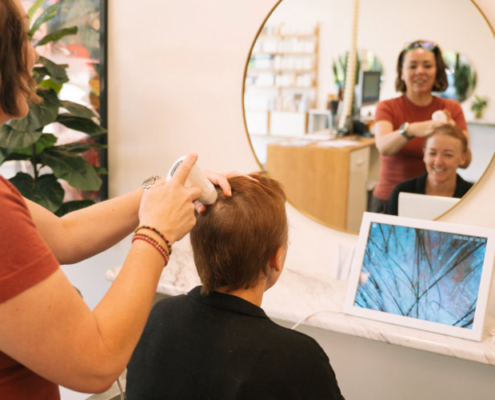 https://www.trichohealthclinic.com.au/wp-content/uploads/2026/08/Hair-breakage-vs-hair-loss.jpg
500
1000
admin
https://www.trichohealthclinic.com.au/wp-content/uploads/2026/02/Tricho-Health-Clinic-Logo.png
admin2026-08-10 10:49:402026-08-11 10:39:16Hair Breakage vs Hair Loss: How to Tell What’s Actually Happening
https://www.trichohealthclinic.com.au/wp-content/uploads/2026/08/Hair-breakage-vs-hair-loss.jpg
500
1000
admin
https://www.trichohealthclinic.com.au/wp-content/uploads/2026/02/Tricho-Health-Clinic-Logo.png
admin2026-08-10 10:49:402026-08-11 10:39:16Hair Breakage vs Hair Loss: How to Tell What’s Actually Happening
