

Lichen Planopilaris: Symptoms, Hair Loss and What You Need to Know
If you have recently been told that you may have Lichen Planopilaris, or LPP, it can be a lot to take in. It is not one of the more commonly discussed causes of hair loss, and many women have never heard of it until they begin experiencing changes to their scalp or hair.
Lichen Planopilaris is an inflammatory condition that affects the hair follicles and can lead to permanent hair loss if the follicles become scarred. Because of this, recognising the signs and getting the right medical assessment as early as possible is important.
At Tricho Health Clinic, we see women with many different types of scalp conditions and scalp health concerns, including inflammatory and scarring forms of hair loss. While a trichologist does not medically diagnose Lichen Planopilaris, a detailed scalp and hair assessment can help identify changes that may warrant investigation by a dermatologist or other medical practitioner.
What is Lichen Planopilaris?
Lichen Planopilaris is an uncommon inflammatory condition affecting the hair follicles. It belongs to a group of conditions known as cicatricial alopecias, or scarring alopecias.
In LPP, inflammation develops around parts of the hair follicle. Over time, this inflammation can damage and eventually destroy the follicle, with scar tissue taking its place. Once a follicle has been permanently destroyed by scarring, it generally cannot produce a new hair.
This is what makes LPP different from many forms of non-scarring hair loss. With some types of hair shedding or thinning, the follicle remains intact and may be capable of producing hair again once the underlying problem is addressed. With established scarring alopecia, the focus of treatment is usually on controlling inflammation and protecting follicles that are still viable.
You can read more about the connection between inflammation, scalp conditions and hair loss in our article Can Scalp Conditions Cause Hair Loss?
Who Gets Lichen Planopilaris?
Lichen Planopilaris can affect both men and women, but it is more commonly seen in women, particularly in middle age. The British Association of Dermatologists reports that it occurs more frequently in women than in men and is most commonly seen between the ages of 40 and 60.
That does not mean younger or older women cannot develop the condition. Hair and scalp changes should always be assessed based on what is happening to the individual rather than age alone.
What Does Lichen Planopilaris Feel Like?
One of the difficulties with LPP is that it does not present exactly the same way in everyone.
Some women notice scalp symptoms before they become particularly aware of hair loss. These can include itching, burning, tenderness, soreness or pain. Others may notice redness or scaling around individual hair follicles.
Typical signs and symptoms may include:
- itching of the scalp
- burning or stinging sensations
- scalp pain or tenderness
- redness around individual follicles
- scaling around the base of hairs
- patches of thinning or hair loss
- areas of scalp that appear smoother or shinier as scarring develops
However, not everybody experiences obvious discomfort. LPP can sometimes progress with relatively few symptoms, which is one reason visual and microscopic assessment of the scalp can be so useful.
What Does Lichen Planopilaris Look Like?
Classic Lichen Planopilaris often causes irregular areas of hair loss across the scalp. The crown and top of the scalp are commonly affected, although the condition can occur elsewhere.
When the condition is active, redness and scale may be particularly noticeable around hairs at the edges of an affected area. As follicles are lost, the scalp can gradually become smoother, with fewer visible follicular openings.
The pattern can be very different from the gradual overall thinning commonly associated with female pattern hair loss, which is why examining the scalp itself is just as important as looking at the amount of hair that has been lost.
Why Does Lichen Planopilaris Cause Permanent Hair Loss?
Hair grows from follicles located within the skin. In Lichen Planopilaris, the inflammatory process targets important structures within the follicle. If that inflammation continues, the follicle can be irreversibly damaged and replaced with scar tissue.
This is why LPP is classified as a scarring alopecia.
Hair that has already been lost from completely scarred follicles is generally unable to regrow. Treatment therefore focuses heavily on stopping or slowing disease activity and preserving the follicles that remain.
This can understandably be confronting to hear. However, a diagnosis of LPP does not automatically mean that all scalp hair will be lost. The pattern, severity and progression vary considerably between individuals, and early treatment can be important in limiting further damage.
What Causes Lichen Planopilaris?
The exact cause of Lichen Planopilaris is not fully understood.
Current evidence suggests that an immune-mediated inflammatory process is involved, with immune cells attacking structures within the hair follicle. Why this process begins in some people is still being investigated.
LPP is considered a follicular form of lichen planus, an inflammatory condition that can also affect the skin, mouth, nails and genital area. However, many people with LPP do not necessarily have obvious lichen planus elsewhere on their body.
Importantly, Lichen Planopilaris is not contagious and it is not caused by poor hygiene.
Lichen Planopilaris and Frontal Fibrosing Alopecia
You may also come across the term Frontal Fibrosing Alopecia (FFA) while researching Lichen Planopilaris.
FFA is considered a clinical variant of Lichen Planopilaris. Both are inflammatory scarring alopecias and share similar changes within affected follicles, but their patterns of hair loss tend to look different.
Classic LPP commonly causes irregular patches of scarring hair loss across the scalp. FFA typically causes gradual recession of the frontal and temporal hairline and can also involve loss of the eyebrows.
We have covered this condition in more detail in Frontal Fibrosing Alopecia: Early Signs and What Women Should Know.
How is Lichen Planopilaris Diagnosed?
Lichen Planopilaris requires medical diagnosis, usually by a dermatologist.
The process generally involves examining the pattern of hair loss, assessing the scalp and looking closely at the follicles. Trichoscopy or dermoscopy allows the scalp and follicles to be viewed under magnification and can reveal characteristic signs of inflammation and scarring.
A scalp biopsy may also be required. During a biopsy, a small sample of scalp tissue is removed and examined microscopically. This can help confirm LPP and distinguish it from other forms of scarring alopecia.
This distinction matters because several conditions can cause cicatricial hair loss. For example, Central Centrifugal Cicatricial Alopecia (CCCA) is another type of scarring alopecia, but it has a different clinical pattern and may require a different management approach.
How is Lichen Planopilaris Treated?
There is currently no single treatment that works for every person with Lichen Planopilaris. Treatment is prescribed and monitored medically and is aimed primarily at reducing inflammation, relieving symptoms and preventing or slowing further follicle destruction.
Depending on the severity, extent and activity of the condition, a dermatologist may consider treatments such as topical corticosteroids, corticosteroid injections into affected areas or systemic medications that modify the inflammatory or immune response.
Medications including hydroxychloroquine and other anti-inflammatory or immunomodulating medicines may be considered in some patients. The most appropriate treatment depends on the individual, their medical history, the extent of disease activity and their response to previous treatment.
This is an area where ongoing medical review matters. LPP can behave differently from person to person, and treatment may need to be adjusted over time.
Can Hair Grow Back After Lichen Planopilaris?
This is understandably one of the first questions many women ask.
If a hair follicle has been completely destroyed and replaced by scar tissue, hair cannot normally regrow from that follicle. However, not every follicle within an affected area will necessarily be destroyed at the same time.
Some hairs may still be growing from follicles that have been inflamed but not permanently scarred. This is one of the reasons controlling active disease as early as possible is so important.
The goal should therefore not simply be to ask, “How do I regrow the hair I have lost?” but also, “How do we protect the hair follicles that are still there?”
Why Early Assessment Matters
With many hair loss conditions, waiting a few months to see what happens may not dramatically affect the eventual outcome. Lichen Planopilaris is different because active inflammation can progressively damage follicles.
Persistent scalp burning, tenderness, pain, redness or scaling alongside hair loss should therefore not simply be dismissed as dandruff, sensitive skin or normal shedding.
This does not mean that every itchy or sore scalp is LPP. There are many much more common causes of scalp irritation. However, when symptoms persist or are accompanied by changes in hair density, patches of hair loss or visible changes around the follicles, further assessment is worthwhile.
How Can a Trichologist Help?
A trichologist does not replace a dermatologist and cannot provide a medical diagnosis of Lichen Planopilaris.
However, a thorough trichological assessment can provide valuable information about what is happening to the scalp and hair. This may include examining patterns of hair loss, assessing the condition of the scalp and looking at follicles under magnification.
If signs suggest that a scarring or inflammatory alopecia may be present, referral for medical assessment can then be recommended.
For women who already have a diagnosis of LPP, trichological care can also sit alongside medical management. This may involve monitoring visible changes in the scalp and hair, discussing gentle hair and scalp care practices and helping women navigate the practical and emotional impact of ongoing hair loss.
Living With Lichen Planopilaris
Being told that you have a form of scarring hair loss can be difficult, particularly when you begin reading that some hair loss may be permanent.
It is worth remembering that LPP can vary enormously between people. Some cases progress relatively slowly, some experience periods where the condition is more active and then settles, and treatment can help reduce inflammatory activity in many people.
Understanding exactly what type of hair loss you have is often the most useful first step. It allows you to move away from repeatedly trying general hair-loss products and instead focus on appropriate medical treatment, scalp care and monitoring.
If you are experiencing persistent scalp symptoms or unexplained hair loss, you can also explore our guide to common scalp conditions and scalp health.
When Should You Seek Help?
Consider arranging an assessment if you notice ongoing scalp pain, burning, itching or tenderness together with changes in your hair, particularly if you are seeing patches of hair loss or changes to the appearance of the scalp.
If Lichen Planopilaris or another scarring alopecia is suspected, medical assessment by a dermatologist is important. Earlier identification of active inflammation may provide a better opportunity to protect follicles before permanent scarring occurs.
Further Information and Medical Resources
For further evidence-based information about Lichen Planopilaris, the following resources may be helpful:
- DermNet – Lichen Planopilaris
- British Association of Dermatologists – Lichen Planopilaris
- American Academy of Dermatology – Lichen Planus and Lichen Planopilaris Symptoms
- Lichen Planopilaris and Frontal Fibrosing Alopecia – Peer-reviewed Review
This article is provided for general information only and is not a substitute for medical diagnosis or treatment. If you are concerned about unexplained or progressive hair loss, particularly when accompanied by scalp pain, burning, redness or inflammation, speak with your doctor or dermatologist.
Frequently Asked Questions
What are the first signs of Lichen Planopilaris?
Early signs can include itching, burning, tenderness or pain of the scalp, redness and scaling around individual hair follicles, and areas of increased hair shedding or patchy hair loss. Some people have very few scalp symptoms, so changes in hair density may be one of the first things they notice.
Is Lichen Planopilaris an autoimmune condition?
Lichen Planopilaris is considered an immune-mediated inflammatory condition. The immune system targets structures within the hair follicle, although exactly why this happens is not fully understood.
Can hair grow back after Lichen Planopilaris?
If a hair follicle has been permanently destroyed and replaced by scar tissue, it cannot normally produce new hair. However, follicles affected by inflammation may not all be permanently damaged. This is why controlling active inflammation and protecting remaining follicles is an important goal of treatment.
Does Lichen Planopilaris always cause permanent hair loss?
LPP is a form of scarring alopecia, so hair loss from follicles that have been permanently destroyed is irreversible. However, the extent and progression of the condition varies considerably between individuals, and treatment aims to prevent or slow further follicle damage.
How quickly does Lichen Planopilaris progress?
There is no single pattern. LPP may progress slowly in some people and more actively in others. It can also go through periods of activity and relative stability, which is why ongoing monitoring can be important.
How is Lichen Planopilaris diagnosed?
Diagnosis is generally made by a dermatologist based on the appearance and pattern of hair loss, examination of the scalp and follicles, and sometimes a scalp biopsy. Dermoscopy or trichoscopy may also be used to examine the affected follicles more closely.
What is the difference between Lichen Planopilaris and Frontal Fibrosing Alopecia?
Frontal Fibrosing Alopecia (FFA) is considered a clinical variant of Lichen Planopilaris. Classic LPP often causes irregular areas of scarring hair loss across the scalp, whereas FFA typically affects the frontal and temporal hairline and may also cause eyebrow loss.
Can Lichen Planopilaris be cured?
There is currently no single cure for LPP. Medical treatment focuses on reducing inflammation, relieving symptoms and preventing or slowing further permanent damage to the hair follicles.
Should I see a dermatologist or a trichologist for Lichen Planopilaris?
Suspected Lichen Planopilaris requires medical assessment and diagnosis, generally by a dermatologist. A trichologist can assess hair and scalp changes, recognise signs that warrant medical investigation and provide ongoing hair and scalp support alongside medical care.
You may be also interested in
 https://www.trichohealthclinic.com.au/wp-content/uploads/2026/04/Scalp-Health.jpg
500
1000
admin
https://www.trichohealthclinic.com.au/wp-content/uploads/2026/02/Tricho-Health-Clinic-Logo.png
admin2026-09-22 15:11:422026-08-19 15:12:05Scalp Health and the Hair Growth Environment
https://www.trichohealthclinic.com.au/wp-content/uploads/2026/04/Scalp-Health.jpg
500
1000
admin
https://www.trichohealthclinic.com.au/wp-content/uploads/2026/02/Tricho-Health-Clinic-Logo.png
admin2026-09-22 15:11:422026-08-19 15:12:05Scalp Health and the Hair Growth Environment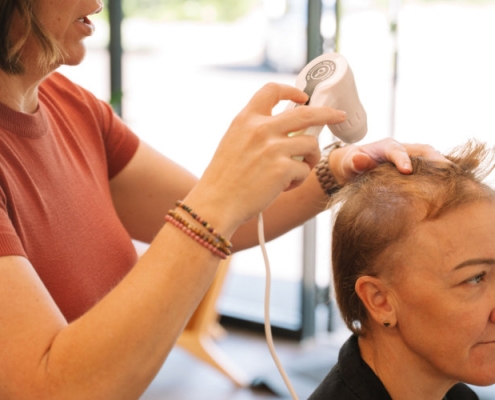 https://www.trichohealthclinic.com.au/wp-content/uploads/2026/04/Dandruff-vs-Seborrhoeic-Dermititis.jpg
500
1000
admin
https://www.trichohealthclinic.com.au/wp-content/uploads/2026/02/Tricho-Health-Clinic-Logo.png
admin2026-09-17 15:11:182026-08-19 15:11:31Dandruff vs Seborrhoeic Dermatitis: Understanding the Difference
https://www.trichohealthclinic.com.au/wp-content/uploads/2026/04/Dandruff-vs-Seborrhoeic-Dermititis.jpg
500
1000
admin
https://www.trichohealthclinic.com.au/wp-content/uploads/2026/02/Tricho-Health-Clinic-Logo.png
admin2026-09-17 15:11:182026-08-19 15:11:31Dandruff vs Seborrhoeic Dermatitis: Understanding the Difference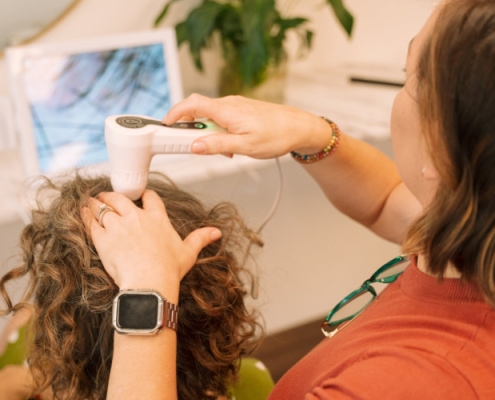 https://www.trichohealthclinic.com.au/wp-content/uploads/2026/04/Scalp-Inflammation.jpg
500
1000
admin
https://www.trichohealthclinic.com.au/wp-content/uploads/2026/02/Tricho-Health-Clinic-Logo.png
admin2026-09-15 15:10:092026-08-19 15:11:05Scalp Inflammation and Hair Shedding: What’s the Link?
https://www.trichohealthclinic.com.au/wp-content/uploads/2026/04/Scalp-Inflammation.jpg
500
1000
admin
https://www.trichohealthclinic.com.au/wp-content/uploads/2026/02/Tricho-Health-Clinic-Logo.png
admin2026-09-15 15:10:092026-08-19 15:11:05Scalp Inflammation and Hair Shedding: What’s the Link? https://www.trichohealthclinic.com.au/wp-content/uploads/2026/04/Scalp-Psoriasis.jpg
500
1000
admin
https://www.trichohealthclinic.com.au/wp-content/uploads/2026/02/Tricho-Health-Clinic-Logo.png
admin2026-09-09 15:10:082026-08-19 15:10:49Scalp Psoriasis and Hair Density: What Women Should Know
https://www.trichohealthclinic.com.au/wp-content/uploads/2026/04/Scalp-Psoriasis.jpg
500
1000
admin
https://www.trichohealthclinic.com.au/wp-content/uploads/2026/02/Tricho-Health-Clinic-Logo.png
admin2026-09-09 15:10:082026-08-19 15:10:49Scalp Psoriasis and Hair Density: What Women Should Know https://www.trichohealthclinic.com.au/wp-content/uploads/2026/04/Burning-or-tender-scalp.jpg
500
1000
admin
https://www.trichohealthclinic.com.au/wp-content/uploads/2026/02/Tricho-Health-Clinic-Logo.png
admin2026-09-08 15:10:062026-08-19 15:10:34Burning or Tender Scalp: When Sensitivity May Signal Something More
https://www.trichohealthclinic.com.au/wp-content/uploads/2026/04/Burning-or-tender-scalp.jpg
500
1000
admin
https://www.trichohealthclinic.com.au/wp-content/uploads/2026/02/Tricho-Health-Clinic-Logo.png
admin2026-09-08 15:10:062026-08-19 15:10:34Burning or Tender Scalp: When Sensitivity May Signal Something More https://www.trichohealthclinic.com.au/wp-content/uploads/2026/04/Product-Buildup.jpg
500
1000
admin
https://www.trichohealthclinic.com.au/wp-content/uploads/2026/02/Tricho-Health-Clinic-Logo.png
admin2026-08-19 15:10:142026-08-19 15:10:14Product Buildup and Scalp Barrier Disruption
https://www.trichohealthclinic.com.au/wp-content/uploads/2026/04/Product-Buildup.jpg
500
1000
admin
https://www.trichohealthclinic.com.au/wp-content/uploads/2026/02/Tricho-Health-Clinic-Logo.png
admin2026-08-19 15:10:142026-08-19 15:10:14Product Buildup and Scalp Barrier Disruption
