

Product Buildup and Scalp Barrier Disruption: What It Means for Your Hair
Hair care products are often chosen with the best intentions — to improve texture, add shine, or support scalp health. However, over time, certain products can accumulate on the scalp and begin to interfere with how it functions. This is known as product buildup, and while it may not always be obvious, it can influence the scalp environment in ways that affect both comfort and hair behaviour.
At the same time, the scalp relies on a protective barrier to maintain balance and defend against external irritants. When this barrier is disrupted, the scalp can become more sensitive, reactive, and less able to support healthy hair growth. Understanding how buildup and barrier disruption interact can help explain a range of symptoms that often seem unrelated at first.
For a broader understanding of how the scalp supports hair growth, you can refer to Scalp Health and the Hair Growth Environment.
What Is Product Buildup?
Product buildup occurs when residues from shampoos, conditioners, styling products, oils, or treatments accumulate on the scalp over time. While many products are designed to be rinsed away, some ingredients can remain on the surface, particularly when used frequently or layered with other products.
In small amounts, this may not cause noticeable issues. However, as buildup increases, it can begin to affect how the scalp feels and functions. The scalp may feel coated, heavier than usual, or less responsive to cleansing, which can indicate that residues are not being fully removed.
Understanding the Scalp Barrier
The scalp barrier is part of the skin’s natural defence system. It helps retain moisture, regulate oil production, and protect against environmental irritants. A healthy barrier allows the scalp to maintain balance and support normal hair growth.
When the barrier is intact, the scalp is generally comfortable and resilient. When it is disrupted, the scalp can become more sensitive, prone to irritation, and less stable overall. This can affect not only how the scalp feels, but also how it supports the hair follicle.
How Product Buildup Can Affect the Scalp
As buildup accumulates, it can interfere with the natural function of the scalp. It may alter the balance of oil production, affect the scalp microbiome, and create an environment where irritation or imbalance is more likely to occur.
In some cases, buildup can contribute to symptoms such as itchiness, flaking, or a feeling of congestion on the scalp. These symptoms are often mistaken for dryness or other conditions, which can lead to further product use and, in turn, more buildup.
This cycle can make it difficult to identify the underlying issue, as the response to symptoms may unintentionally contribute to the problem.
How Barrier Disruption Develops
The scalp barrier can become disrupted through a combination of factors, including frequent washing with harsh products, overuse of treatments, or repeated exposure to irritants. When the barrier is weakened, the scalp becomes more vulnerable to external influences.
This can lead to increased sensitivity, making the scalp react more strongly to products that were previously well tolerated. Over time, this heightened reactivity can create ongoing discomfort and make it more difficult to restore balance.
Barrier disruption is also closely linked to inflammation, which can further affect how the scalp behaves. You can explore this connection in Scalp Inflammation and Hair Shedding.
The Connection to Scalp Sensitivity
Many women experiencing a burning, tingling, or tender scalp may not immediately consider product buildup or barrier disruption as a cause. However, these factors can contribute to increased sensitivity by affecting how the scalp responds to its environment.
When the barrier is compromised, the scalp becomes more reactive, and even small triggers can lead to noticeable discomfort. This is why sensitivity often develops gradually and may seem to appear without a clear reason.
For more on this, see Burning or Tender Scalp.
Can Buildup Affect Hair Growth?
Product buildup does not directly stop hair from growing, but it can influence the environment in which the hair grows. When the scalp is imbalanced or irritated, it may affect how the hair behaves, including how it feels, sheds, or responds to styling.
A healthy scalp environment supports the normal hair growth cycle. When that environment is disrupted, it can contribute to changes in hair quality or increased shedding, particularly when combined with other factors.
Why This Is Often Overlooked
Product buildup and barrier disruption are often overlooked because they develop gradually and do not always present with obvious signs. Many symptoms, such as flaking or sensitivity, are attributed to other causes, which can lead to further product use rather than a reassessment of the scalp environment.
This can create a cycle where the original issue is not addressed, and the scalp becomes increasingly reactive over time. Understanding this pattern is key to breaking that cycle and restoring balance.
A Structured Approach to Restoring Scalp Balance
At Tricho Health Clinic, product use and scalp condition are assessed together as part of the overall hair growth environment. This includes looking at how the scalp responds to products, identifying any signs of imbalance, and considering how these factors may relate to hair changes.
This approach allows for a more tailored understanding of what may be contributing to ongoing symptoms, rather than relying on general assumptions or trial-and-error methods.
If you would like to explore this further, you can learn more here: Hair & Scalp Analysis or Scalp Treatments.
Final Thoughts
Product buildup and scalp barrier disruption are often subtle but important factors in overall scalp health. While they may not be immediately obvious, they can influence how the scalp feels and how well it supports hair growth over time.
By understanding how these factors interact, it becomes easier to recognise patterns and take a more informed approach to maintaining a balanced and comfortable scalp environment.
Frequently Asked Questions
How do I know if I have product buildup on my scalp?
Product buildup can be difficult to identify because it often develops gradually. Some common signs include a feeling of heaviness on the scalp, hair that feels coated or dull even after washing, or a scalp that becomes itchy or uncomfortable without a clear reason. In some cases, products may seem to stop working as effectively as they once did, which can also indicate that residue is accumulating over time.
Can product buildup cause hair loss?
Product buildup does not directly cause hair loss, but it can contribute to an imbalanced scalp environment. When the scalp is affected by buildup, it may become irritated or less able to function optimally, which can influence how the hair behaves. This may include changes in shedding patterns, particularly when combined with other factors such as inflammation or sensitivity.
What is the scalp barrier and why is it important?
The scalp barrier is part of the skin’s natural protective system. It helps maintain moisture, regulate oil production, and protect against external irritants. When this barrier is functioning well, the scalp remains balanced and resilient. When it is disrupted, the scalp can become more sensitive, reactive, and prone to discomfort, which may affect both scalp health and hair behaviour.
Can washing my hair too often damage the scalp barrier?
Frequent washing, especially with harsh or unsuitable products, can contribute to barrier disruption over time. This does not mean that washing your hair regularly is harmful, but the type of products used and how the scalp responds are important factors. If the scalp becomes dry, tight, or sensitive, it may indicate that the barrier is not functioning optimally.
Why does my scalp feel worse even though I’m using more products to fix it?
This can happen when additional products contribute to buildup or further disrupt the scalp barrier. When the underlying issue is not addressed, adding more products may temporarily mask symptoms but can also increase irritation over time. This creates a cycle where the scalp becomes more reactive rather than more balanced.
Can buildup affect how my hair looks and feels?
Yes, buildup can affect the appearance and texture of the hair. It may cause hair to look dull, feel heavier, or become more difficult to manage. This is because residue on the scalp and hair can interfere with how the hair reflects light and responds to styling.
How long does it take to restore the scalp barrier?
The time it takes to restore the scalp barrier can vary depending on the level of disruption and the contributing factors. In some cases, improvements may be noticed relatively quickly, while in others, it may take longer to fully rebalance the scalp. Consistency and a structured approach are important in supporting this process.
What is the best way to improve scalp health if I suspect buildup or barrier issues?
The most effective approach is to assess how the scalp is currently functioning and identify any contributing factors, including product use, lifestyle influences, and scalp condition. This allows for a more targeted and appropriate approach rather than relying on trial-and-error methods.
You may be also interested in
 https://www.trichohealthclinic.com.au/wp-content/uploads/2026/04/Scalp-Health.jpg
500
1000
admin
https://www.trichohealthclinic.com.au/wp-content/uploads/2026/02/Tricho-Health-Clinic-Logo.png
admin2026-09-22 15:11:422026-08-19 15:12:05Scalp Health and the Hair Growth Environment
https://www.trichohealthclinic.com.au/wp-content/uploads/2026/04/Scalp-Health.jpg
500
1000
admin
https://www.trichohealthclinic.com.au/wp-content/uploads/2026/02/Tricho-Health-Clinic-Logo.png
admin2026-09-22 15:11:422026-08-19 15:12:05Scalp Health and the Hair Growth Environment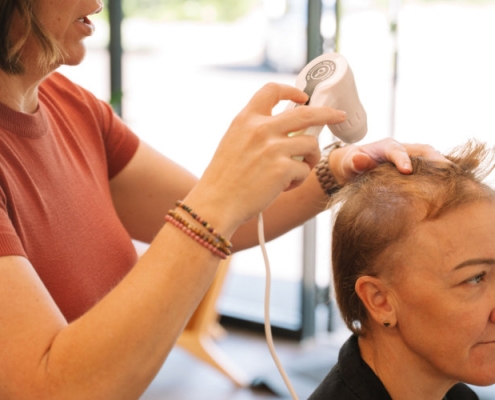 https://www.trichohealthclinic.com.au/wp-content/uploads/2026/04/Dandruff-vs-Seborrhoeic-Dermititis.jpg
500
1000
admin
https://www.trichohealthclinic.com.au/wp-content/uploads/2026/02/Tricho-Health-Clinic-Logo.png
admin2026-09-17 15:11:182026-08-19 15:11:31Dandruff vs Seborrhoeic Dermatitis: Understanding the Difference
https://www.trichohealthclinic.com.au/wp-content/uploads/2026/04/Dandruff-vs-Seborrhoeic-Dermititis.jpg
500
1000
admin
https://www.trichohealthclinic.com.au/wp-content/uploads/2026/02/Tricho-Health-Clinic-Logo.png
admin2026-09-17 15:11:182026-08-19 15:11:31Dandruff vs Seborrhoeic Dermatitis: Understanding the Difference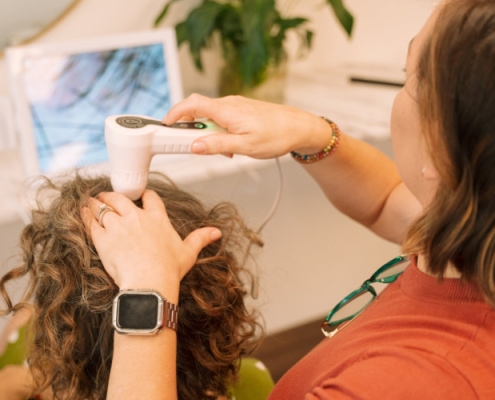 https://www.trichohealthclinic.com.au/wp-content/uploads/2026/04/Scalp-Inflammation.jpg
500
1000
admin
https://www.trichohealthclinic.com.au/wp-content/uploads/2026/02/Tricho-Health-Clinic-Logo.png
admin2026-09-15 15:10:092026-08-19 15:11:05Scalp Inflammation and Hair Shedding: What’s the Link?
https://www.trichohealthclinic.com.au/wp-content/uploads/2026/04/Scalp-Inflammation.jpg
500
1000
admin
https://www.trichohealthclinic.com.au/wp-content/uploads/2026/02/Tricho-Health-Clinic-Logo.png
admin2026-09-15 15:10:092026-08-19 15:11:05Scalp Inflammation and Hair Shedding: What’s the Link? https://www.trichohealthclinic.com.au/wp-content/uploads/2026/04/Scalp-Psoriasis.jpg
500
1000
admin
https://www.trichohealthclinic.com.au/wp-content/uploads/2026/02/Tricho-Health-Clinic-Logo.png
admin2026-09-09 15:10:082026-08-19 15:10:49Scalp Psoriasis and Hair Density: What Women Should Know
https://www.trichohealthclinic.com.au/wp-content/uploads/2026/04/Scalp-Psoriasis.jpg
500
1000
admin
https://www.trichohealthclinic.com.au/wp-content/uploads/2026/02/Tricho-Health-Clinic-Logo.png
admin2026-09-09 15:10:082026-08-19 15:10:49Scalp Psoriasis and Hair Density: What Women Should Know https://www.trichohealthclinic.com.au/wp-content/uploads/2026/04/Burning-or-tender-scalp.jpg
500
1000
admin
https://www.trichohealthclinic.com.au/wp-content/uploads/2026/02/Tricho-Health-Clinic-Logo.png
admin2026-09-08 15:10:062026-08-19 15:10:34Burning or Tender Scalp: When Sensitivity May Signal Something More
https://www.trichohealthclinic.com.au/wp-content/uploads/2026/04/Burning-or-tender-scalp.jpg
500
1000
admin
https://www.trichohealthclinic.com.au/wp-content/uploads/2026/02/Tricho-Health-Clinic-Logo.png
admin2026-09-08 15:10:062026-08-19 15:10:34Burning or Tender Scalp: When Sensitivity May Signal Something More https://www.trichohealthclinic.com.au/wp-content/uploads/2026/04/Product-Buildup.jpg
500
1000
admin
https://www.trichohealthclinic.com.au/wp-content/uploads/2026/02/Tricho-Health-Clinic-Logo.png
admin2026-08-19 15:10:142026-08-19 15:10:14Product Buildup and Scalp Barrier Disruption
https://www.trichohealthclinic.com.au/wp-content/uploads/2026/04/Product-Buildup.jpg
500
1000
admin
https://www.trichohealthclinic.com.au/wp-content/uploads/2026/02/Tricho-Health-Clinic-Logo.png
admin2026-08-19 15:10:142026-08-19 15:10:14Product Buildup and Scalp Barrier Disruption
