

Scalp Health and the Hair Growth Environment
When it comes to hair growth, most of the focus tends to be on the hair itself — how thick it feels, how fast it grows, or how much is shedding. What is often overlooked is the environment the hair is growing from. The scalp plays a critical role in supporting healthy hair, and when that environment is disrupted, it can influence how the hair behaves over time.
For many women, scalp-related issues such as flaking, irritation, sensitivity, or buildup may seem like separate concerns. However, these changes can sometimes be connected to the overall health of the scalp and, in some cases, may influence hair shedding or quality. Understanding the scalp as part of the hair growth process can help shift the focus from symptoms to underlying patterns.
Why the Scalp Matters for Hair Growth
The scalp is the foundation from which hair grows. Each hair follicle sits within the scalp and relies on a stable, balanced environment to function effectively. This includes adequate circulation, a healthy skin barrier, and a well-regulated microbiome.
When the scalp is functioning well, it supports the normal hair growth cycle. When it becomes irritated, inflamed, or imbalanced, it may influence how the follicle behaves. Research exploring the role of inflammation in hair loss, including this review on scalp inflammation and hair loss, highlights how inflammatory processes can affect the hair growth environment.
The Scalp as a Skin Environment
The scalp is an extension of the skin and is subject to many of the same influences. It has its own barrier function, oil production, and microbial balance, all of which contribute to how it behaves. When this balance is disrupted, it can lead to symptoms such as dryness, flaking, itching, or sensitivity.
Conditions affecting the scalp, such as dermatitis or psoriasis, are not uncommon and can influence how comfortable the scalp feels and how well it supports hair growth. Resources such as DermNet NZ’s overview of dermatitis provide insight into how these conditions develop and present.
Common Scalp Concerns That May Affect Hair
There are several scalp-related concerns that are frequently seen and may influence the overall hair growth environment. While not all of these directly cause hair loss, they can contribute to changes in how the hair behaves, particularly when left unaddressed.
Dandruff and Seborrhoeic Dermatitis
Dandruff and seborrhoeic dermatitis are often used interchangeably, but they exist on a spectrum of scalp conditions involving flaking and inflammation. According to DermNet NZ, seborrhoeic dermatitis is associated with increased oil production and an inflammatory response to yeast on the skin. These conditions can affect the scalp environment and, in some cases, contribute to discomfort or shedding.
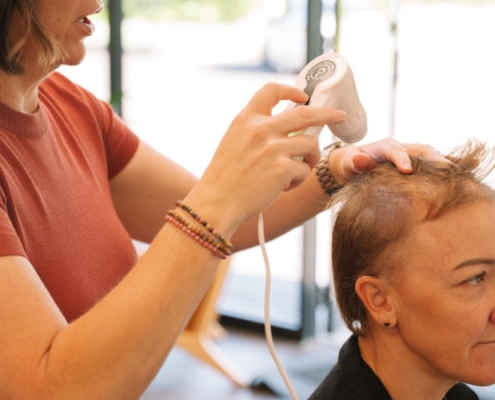
Learn more here: Dandruff vs Seborrhoeic Dermatitis.
Scalp Inflammation
Inflammation can occur for a variety of reasons, including irritation, underlying conditions, or environmental triggers. When inflammation is present, it may disrupt the normal function of the hair follicle and contribute to increased shedding in some cases.
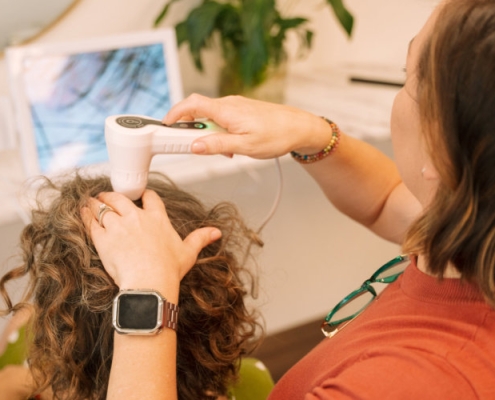
Explore this further: Scalp Inflammation and Hair Shedding.
Scalp Psoriasis
Scalp psoriasis is a chronic inflammatory condition that can affect the scalp’s surface and, in some cases, influence hair density due to the disruption of the skin environment. Information from DermNet NZ outlines how this condition presents and how it differs from other scalp concerns.
Read more: Scalp Psoriasis and Hair Density.
Sensitivity and Scalp Discomfort
A burning, tender, or sensitive scalp can indicate that the scalp barrier is compromised or that there is an underlying imbalance. These sensations are often overlooked but can be an important signal that the scalp environment is not functioning optimally.
Learn more: Burning or Tender Scalp.
Product Buildup and Barrier Disruption
Product buildup can affect how the scalp functions by disrupting the natural barrier and altering the balance of the scalp environment. Over time, this may contribute to irritation or changes in how the hair behaves.
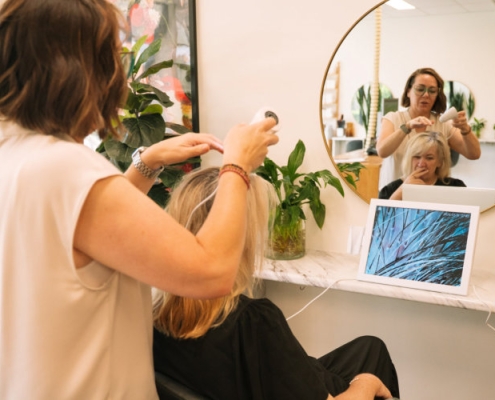
Explore this topic: Product Buildup and Scalp Health.
The Link Between Scalp Health and Hair Shedding
While not all scalp issues directly cause hair loss, there is a relationship between scalp health and the hair growth cycle. Inflammatory conditions, irritation, or ongoing imbalance can influence the follicle environment and, in some cases, contribute to increased shedding.
This does not mean that every scalp issue will result in hair loss, but it does highlight the importance of considering the scalp as part of a broader assessment when hair changes occur.
Why Scalp Issues Are Often Misunderstood
Many scalp concerns are treated as isolated issues, with the focus placed on managing visible symptoms such as flaking or itching. While symptom relief is important, it does not always address the underlying factors contributing to the imbalance.
This is where confusion often arises. Without understanding what is driving the scalp changes, it becomes difficult to determine whether they may also be influencing hair behaviour.
A Structured Approach to Scalp and Hair Health
At Tricho Health Clinic, scalp health is assessed as part of the overall hair growth environment. This includes looking at the condition of the scalp, reviewing symptoms, and considering how these may relate to hair changes.
Rather than treating the scalp in isolation, this approach focuses on understanding how different factors interact. Where appropriate, this may involve collaboration with your GP to ensure that all aspects of your health are considered.
If you would like to explore this further, you can learn more here: Hair & Scalp Analysis or Scalp Treatments.
Final Thoughts
The scalp is more than just the surface your hair grows from — it is an active environment that plays an important role in supporting healthy hair. When that environment is balanced, it supports normal hair growth. When it is disrupted, it may influence how the hair behaves over time.
If you are experiencing ongoing scalp concerns alongside changes in your hair, taking a closer look at the scalp itself can provide valuable insight and help guide a more informed approach.
Frequently Asked Questions
Can scalp issues cause hair loss?
Some scalp conditions may contribute to hair shedding, particularly when inflammation or irritation affects the hair follicle environment. However, scalp issues are not always the sole cause of hair loss and are usually considered alongside other factors.
How do I know if my scalp is affecting my hair?
Changes such as itching, flaking, sensitivity, or discomfort may indicate that the scalp environment is not balanced. When these occur alongside hair shedding or thinning, it may be worth exploring whether there is a connection.
Is dandruff the same as seborrhoeic dermatitis?
Dandruff and seborrhoeic dermatitis are related but not identical. They exist on a spectrum, with seborrhoeic dermatitis generally involving more inflammation and persistent symptoms.
Can inflammation in the scalp affect hair growth?
Inflammation can influence the environment surrounding the hair follicle, which may affect how the hair grows or sheds. This is why inflammatory scalp conditions are often considered when assessing hair changes.
Does product buildup affect the scalp?
Yes, buildup can interfere with the scalp’s natural balance and barrier function. Over time, this may contribute to irritation or changes in how the scalp and hair behave.
Why does my scalp feel sore or tender?
A sore or tender scalp can be a sign of sensitivity, inflammation, or barrier disruption. It is often a signal that the scalp environment may not be functioning optimally.
Should I treat my scalp separately from my hair?
While scalp and hair concerns can present differently, they are closely connected. Addressing the scalp as part of a broader approach is often more effective than treating symptoms in isolation.
What is the next step if I have ongoing scalp issues?
A structured assessment that looks at both the scalp and hair can help identify what may be contributing to your symptoms. This allows for a more targeted and appropriate approach rather than relying on guesswork.
You may be also interested in
 https://www.trichohealthclinic.com.au/wp-content/uploads/2026/04/Scalp-Health.jpg
500
1000
admin
https://www.trichohealthclinic.com.au/wp-content/uploads/2026/02/Tricho-Health-Clinic-Logo.png
admin2026-09-22 15:11:422026-08-19 15:12:05Scalp Health and the Hair Growth Environment
 https://www.trichohealthclinic.com.au/wp-content/uploads/2026/04/Dandruff-vs-Seborrhoeic-Dermititis.jpg
500
1000
admin
https://www.trichohealthclinic.com.au/wp-content/uploads/2026/02/Tricho-Health-Clinic-Logo.png
admin2026-09-17 15:11:182026-08-19 15:11:31Dandruff vs Seborrhoeic Dermatitis: Understanding the Difference
 https://www.trichohealthclinic.com.au/wp-content/uploads/2026/04/Scalp-Inflammation.jpg
500
1000
admin
https://www.trichohealthclinic.com.au/wp-content/uploads/2026/02/Tricho-Health-Clinic-Logo.png
admin2026-09-15 15:10:092026-08-19 15:11:05Scalp Inflammation and Hair Shedding: What’s the Link?
 https://www.trichohealthclinic.com.au/wp-content/uploads/2026/04/Scalp-Psoriasis.jpg
500
1000
admin
https://www.trichohealthclinic.com.au/wp-content/uploads/2026/02/Tricho-Health-Clinic-Logo.png
admin2026-09-09 15:10:082026-08-19 15:10:49Scalp Psoriasis and Hair Density: What Women Should Know
 https://www.trichohealthclinic.com.au/wp-content/uploads/2026/04/Burning-or-tender-scalp.jpg
500
1000
admin
https://www.trichohealthclinic.com.au/wp-content/uploads/2026/02/Tricho-Health-Clinic-Logo.png
admin2026-09-08 15:10:062026-08-19 15:10:34Burning or Tender Scalp: When Sensitivity May Signal Something More
 https://www.trichohealthclinic.com.au/wp-content/uploads/2026/04/Product-Buildup.jpg
500
1000
admin
https://www.trichohealthclinic.com.au/wp-content/uploads/2026/02/Tricho-Health-Clinic-Logo.png
admin2026-08-19 15:10:142026-08-19 15:10:14Product Buildup and Scalp Barrier Disruption

