

Scalp Psoriasis and Hair Density: What Women Should Know
Scalp psoriasis is a condition that many women have heard of, but often don’t fully understand, particularly when it comes to how it may affect the hair. For some, it presents as visible scaling and irritation. For others, it may be less obvious but still disruptive to the scalp environment. This can raise understandable concerns about whether it may be linked to hair thinning or changes in hair density.
While scalp psoriasis does not directly cause hair loss in the way some other conditions do, it can influence the environment in which the hair grows. Understanding how this condition affects the scalp, and how it may relate to changes in hair behaviour, can help provide clarity and reduce unnecessary worry.
For a broader understanding of how the scalp supports hair growth, you can refer to Scalp Health and the Hair Growth Environment.
What Is Scalp Psoriasis?
Scalp psoriasis is a chronic inflammatory skin condition that affects the scalp. It is part of a broader condition known as psoriasis, which can affect different areas of the body. On the scalp, it typically presents as raised, red patches covered with silvery or white scales.
According to DermNet NZ, scalp psoriasis occurs due to an accelerated turnover of skin cells combined with an inflammatory response. This results in the buildup of skin on the surface, which appears as scaling and flaking.
The severity can vary widely. Some women may experience mild, intermittent symptoms, while others may have more persistent or widespread involvement of the scalp.
How Scalp Psoriasis Affects the Scalp Environment
Scalp psoriasis disrupts the normal function of the scalp as a skin environment. The rapid turnover of skin cells, combined with inflammation, can affect the scalp barrier and create a less stable environment for hair follicles.
This disruption does not typically damage the hair follicle itself, but it can influence the surrounding conditions in which the follicle operates. When the scalp is inflamed or imbalanced, it may affect how comfortable the scalp feels and how well it supports normal hair growth.
Research into inflammatory processes, including this review on inflammation and hair loss, highlights how inflammation can influence the hair growth environment. While psoriasis is not the same as other inflammatory conditions, it reinforces the importance of considering inflammation as part of the overall picture.
Does Scalp Psoriasis Cause Hair Loss?
Scalp psoriasis does not directly cause permanent hair loss. The hair follicles remain intact, and in most cases, hair regrowth occurs once the scalp environment stabilises. However, temporary changes in hair density can occur, particularly when symptoms are more active.
Increased shedding may be seen in some cases, often due to inflammation, mechanical disruption from scratching, or the overall stress placed on the scalp environment. This type of shedding is usually temporary and resolves as the underlying condition improves.
It is important to distinguish between changes in hair density related to scalp conditions and other forms of hair loss that may have different underlying causes.
Why Hair May Appear Thinner
Even when hair loss is not occurring at the follicle level, scalp psoriasis can create the appearance of thinner hair. This can be due to several factors, including scaling that lifts the hair away from the scalp, changes in how the hair sits, or increased shedding during flare-ups.
In addition, ongoing discomfort or irritation may lead to increased touching or scratching of the scalp, which can contribute to temporary hair shedding. These factors can combine to create noticeable changes in hair density, even though the follicles themselves remain capable of producing new hair.
Triggers and Flare-Ups
Scalp psoriasis often follows a pattern of flare-ups and periods of relative calm. Triggers can vary between individuals but may include stress, hormonal changes, weather conditions, and certain hair or scalp products.
Understanding these patterns can help explain why symptoms may seem unpredictable. It also highlights the importance of looking at the condition over time rather than focusing on isolated episodes.
Scalp Psoriasis vs Other Scalp Conditions
Scalp psoriasis can sometimes be confused with other conditions, particularly seborrhoeic dermatitis, as both can involve flaking and irritation. However, the underlying causes and presentation differ, which is why accurate identification is important.
If you would like to explore this further, you can read Dandruff vs Seborrhoeic Dermatitis.
The Importance of Scalp Assessment
Because scalp psoriasis can vary in severity and presentation, a closer look at the scalp can provide valuable insight. This helps distinguish between different scalp conditions and identify any additional factors that may be influencing the hair.
A structured assessment considers not only the visible symptoms but also the overall scalp environment and how it relates to hair changes. This allows for a more informed and appropriate approach.
If you would like to explore this further, you can learn more here: Hair & Scalp Analysis or Scalp Treatments.
Final Thoughts
Scalp psoriasis can be uncomfortable and, at times, concerning, particularly when it coincides with changes in hair density. While it does not directly cause permanent hair loss, it can influence the scalp environment in ways that affect how the hair behaves.
By understanding how this condition works and taking a broader view of the scalp and hair together, it becomes easier to navigate these changes with greater clarity and confidence.
Frequently Asked Questions
Does scalp psoriasis cause permanent hair loss?
No, scalp psoriasis does not typically cause permanent hair loss. The hair follicles remain intact, and hair usually regrows once the scalp environment improves.
Why does my hair feel thinner during a flare-up?
Hair may appear thinner due to increased shedding, scaling on the scalp, or changes in how the hair sits. These effects are usually temporary.
Can scratching the scalp cause hair loss?
Frequent scratching can lead to temporary hair shedding due to mechanical disruption, but it does not usually damage the follicles permanently.
How is scalp psoriasis different from dandruff?
Scalp psoriasis involves an inflammatory process and thicker, more defined scaling, while dandruff is generally milder and less inflamed.
What triggers scalp psoriasis flare-ups?
Triggers can include stress, hormonal changes, weather conditions, and certain hair or scalp products.
Can treating the scalp improve hair density?
Improving the scalp environment may help reduce shedding and support normal hair growth patterns over time.
Is scalp psoriasis always visible?
In most cases, there are visible signs such as scaling or redness, but the severity can vary.
What should I do if I think I have scalp psoriasis?
A structured scalp assessment can help identify the condition and guide appropriate next steps without relying on guesswork.
You may be also interested in
 https://www.trichohealthclinic.com.au/wp-content/uploads/2026/04/Scalp-Health.jpg
500
1000
admin
https://www.trichohealthclinic.com.au/wp-content/uploads/2026/02/Tricho-Health-Clinic-Logo.png
admin2026-09-22 15:11:422026-08-19 15:12:05Scalp Health and the Hair Growth Environment
https://www.trichohealthclinic.com.au/wp-content/uploads/2026/04/Scalp-Health.jpg
500
1000
admin
https://www.trichohealthclinic.com.au/wp-content/uploads/2026/02/Tricho-Health-Clinic-Logo.png
admin2026-09-22 15:11:422026-08-19 15:12:05Scalp Health and the Hair Growth Environment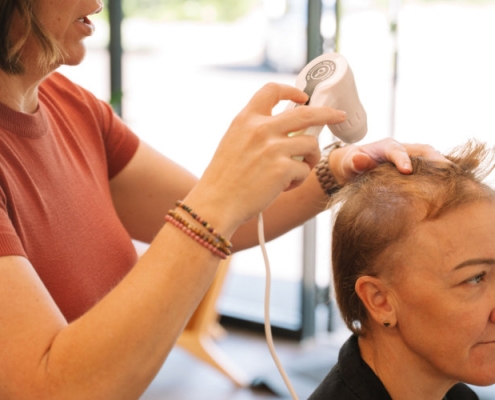 https://www.trichohealthclinic.com.au/wp-content/uploads/2026/04/Dandruff-vs-Seborrhoeic-Dermititis.jpg
500
1000
admin
https://www.trichohealthclinic.com.au/wp-content/uploads/2026/02/Tricho-Health-Clinic-Logo.png
admin2026-09-17 15:11:182026-08-19 15:11:31Dandruff vs Seborrhoeic Dermatitis: Understanding the Difference
https://www.trichohealthclinic.com.au/wp-content/uploads/2026/04/Dandruff-vs-Seborrhoeic-Dermititis.jpg
500
1000
admin
https://www.trichohealthclinic.com.au/wp-content/uploads/2026/02/Tricho-Health-Clinic-Logo.png
admin2026-09-17 15:11:182026-08-19 15:11:31Dandruff vs Seborrhoeic Dermatitis: Understanding the Difference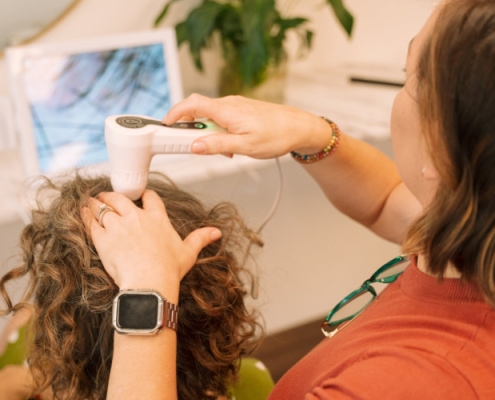 https://www.trichohealthclinic.com.au/wp-content/uploads/2026/04/Scalp-Inflammation.jpg
500
1000
admin
https://www.trichohealthclinic.com.au/wp-content/uploads/2026/02/Tricho-Health-Clinic-Logo.png
admin2026-09-15 15:10:092026-08-19 15:11:05Scalp Inflammation and Hair Shedding: What’s the Link?
https://www.trichohealthclinic.com.au/wp-content/uploads/2026/04/Scalp-Inflammation.jpg
500
1000
admin
https://www.trichohealthclinic.com.au/wp-content/uploads/2026/02/Tricho-Health-Clinic-Logo.png
admin2026-09-15 15:10:092026-08-19 15:11:05Scalp Inflammation and Hair Shedding: What’s the Link? https://www.trichohealthclinic.com.au/wp-content/uploads/2026/04/Scalp-Psoriasis.jpg
500
1000
admin
https://www.trichohealthclinic.com.au/wp-content/uploads/2026/02/Tricho-Health-Clinic-Logo.png
admin2026-09-09 15:10:082026-08-19 15:10:49Scalp Psoriasis and Hair Density: What Women Should Know
https://www.trichohealthclinic.com.au/wp-content/uploads/2026/04/Scalp-Psoriasis.jpg
500
1000
admin
https://www.trichohealthclinic.com.au/wp-content/uploads/2026/02/Tricho-Health-Clinic-Logo.png
admin2026-09-09 15:10:082026-08-19 15:10:49Scalp Psoriasis and Hair Density: What Women Should Know https://www.trichohealthclinic.com.au/wp-content/uploads/2026/04/Burning-or-tender-scalp.jpg
500
1000
admin
https://www.trichohealthclinic.com.au/wp-content/uploads/2026/02/Tricho-Health-Clinic-Logo.png
admin2026-09-08 15:10:062026-08-19 15:10:34Burning or Tender Scalp: When Sensitivity May Signal Something More
https://www.trichohealthclinic.com.au/wp-content/uploads/2026/04/Burning-or-tender-scalp.jpg
500
1000
admin
https://www.trichohealthclinic.com.au/wp-content/uploads/2026/02/Tricho-Health-Clinic-Logo.png
admin2026-09-08 15:10:062026-08-19 15:10:34Burning or Tender Scalp: When Sensitivity May Signal Something More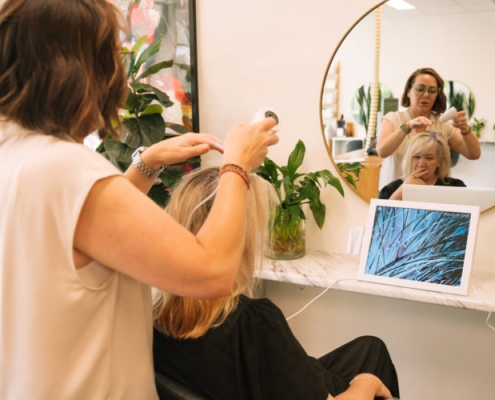 https://www.trichohealthclinic.com.au/wp-content/uploads/2026/04/Product-Buildup.jpg
500
1000
admin
https://www.trichohealthclinic.com.au/wp-content/uploads/2026/02/Tricho-Health-Clinic-Logo.png
admin2026-08-19 15:10:142026-08-19 15:10:14Product Buildup and Scalp Barrier Disruption
https://www.trichohealthclinic.com.au/wp-content/uploads/2026/04/Product-Buildup.jpg
500
1000
admin
https://www.trichohealthclinic.com.au/wp-content/uploads/2026/02/Tricho-Health-Clinic-Logo.png
admin2026-08-19 15:10:142026-08-19 15:10:14Product Buildup and Scalp Barrier Disruption
