
Scalp Inflammation and Hair Shedding: What’s the Link?
Hair shedding is often approached as a standalone concern, with the focus placed on the hair itself rather than the environment it grows from. However, in many cases, what is happening at the level of the scalp can influence how the hair behaves over time. One of the key factors that may be involved is inflammation.
Scalp inflammation is not always obvious. It does not always present with visible redness or discomfort, and in some cases, it can exist at a low level without clear symptoms. This is what makes it particularly important to understand, as it may contribute to ongoing shedding without an immediately identifiable cause.
For a broader understanding of how the scalp environment supports hair growth, you can refer to Scalp Health and the Hair Growth Environment.
What Is Inflammation in the Scalp?
Inflammation is the body’s natural response to irritation, imbalance, or perceived threat. In the scalp, this can occur for a variety of reasons, including underlying skin conditions, microbial imbalance, product irritation, or environmental factors. While inflammation is part of the body’s protective mechanism, ongoing or chronic inflammation can disrupt normal function.
Within the scalp, inflammation can affect the skin surface, the surrounding tissue, and the environment in which the hair follicle sits. Because hair follicles are sensitive structures, even subtle changes in this environment can influence how they function over time.
How Inflammation May Affect Hair Growth
The hair growth cycle consists of different phases, including growth (anagen), transition (catagen), and shedding (telogen). For hair to grow normally, the follicle needs a stable and supportive environment. When inflammation is present, this balance can be disrupted.
Research has explored how inflammatory processes may influence the hair follicle. A review published on PubMed Central discusses how inflammation can alter the hair growth cycle and contribute to changes in shedding patterns. While inflammation is not always the sole cause, it can act as a contributing factor in certain types of hair loss.
This may result in more hairs entering the shedding phase at the same time, particularly in conditions such as telogen effluvium. The effect is often delayed, which means the shedding may occur weeks or months after the initial trigger.
Common Causes of Scalp Inflammation
Scalp inflammation can arise from a variety of sources, and in many cases, it is not due to a single cause. Instead, it is often the result of multiple factors interacting over time.
Underlying Scalp Conditions
Conditions such as seborrhoeic dermatitis or psoriasis are commonly associated with inflammation. These conditions disrupt the scalp barrier and create an environment where irritation and flaking can occur.
You can explore these further here: Dandruff vs Seborrhoeic Dermatitis and Scalp Psoriasis and Hair Density.
Product Irritation and Buildup
Certain hair and scalp products can irritate the skin or disrupt the natural barrier of the scalp, particularly when used frequently or in combination. Buildup can also affect how the scalp functions, contributing to imbalance and sensitivity over time.
Learn more here: Product Buildup and Scalp Health.
Microbial Imbalance
The scalp has its own microbiome, which includes naturally occurring microorganisms such as yeast. When this balance is disrupted, it can trigger an inflammatory response. This is commonly seen in conditions like seborrhoeic dermatitis.
Lifestyle and Internal Factors
Stress, hormonal changes, and overall health can all influence how the body responds to inflammation. These factors may not directly cause scalp issues but can affect how the scalp reacts to existing imbalances.
Signs of Scalp Inflammation
Scalp inflammation does not always present in obvious ways, which is why it is often overlooked. Some women may experience visible symptoms such as redness, flaking, or irritation, while others may notice more subtle changes.
These can include increased sensitivity, a feeling of tightness or discomfort, or a scalp that feels reactive to products. In some cases, the only noticeable sign may be increased hair shedding, particularly if the inflammation is low-grade and persistent.
The Connection Between Inflammation and Shedding
When inflammation affects the scalp, it can alter the environment surrounding the hair follicle. This may influence how the follicle cycles through its growth phases, potentially leading to increased shedding.
It is important to note that inflammation does not always lead to hair loss, and not all shedding is caused by scalp issues. However, when inflammation is present alongside hair changes, it may be a contributing factor worth exploring.
Why This Link Is Often Missed
Hair shedding is frequently attributed to factors such as stress, hormones, or nutrition, which are all valid considerations. However, the role of the scalp is often overlooked, particularly when symptoms are not severe.
Because inflammation can exist without obvious signs, it is easy to miss its potential impact. This is why a more comprehensive approach that includes the scalp environment can provide a clearer understanding.
A Structured Approach to Scalp and Hair Assessment
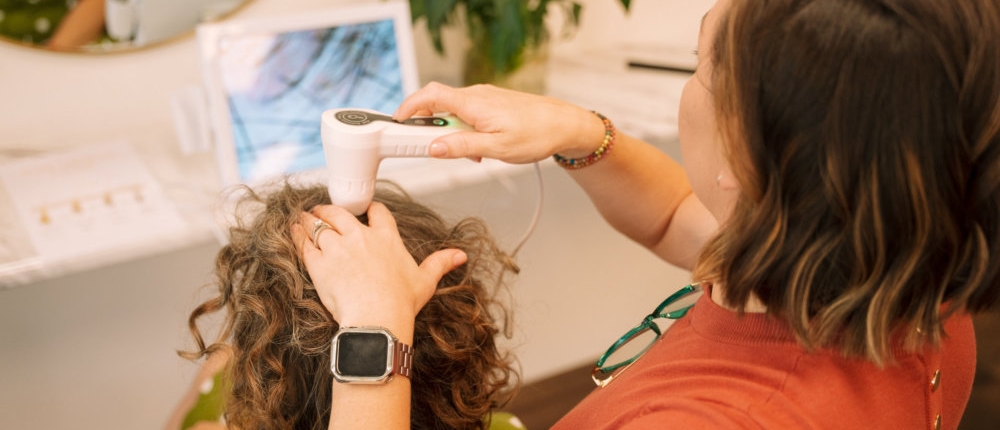
At Tricho Health Clinic, scalp inflammation is assessed as part of the overall hair growth environment. This includes examining the condition of the scalp, reviewing symptoms, and considering how these may relate to hair changes.
This approach allows for a more complete understanding of what may be contributing to ongoing shedding and helps guide more targeted and appropriate next steps.
If you would like to explore this further, you can learn more here: Hair & Scalp Analysis or Scalp Treatments.
Final Thoughts
Scalp inflammation is one of the less obvious factors that may influence hair shedding, particularly when it is low-grade and ongoing. While it is rarely the sole cause of hair loss, it can contribute to changes in how the hair grows and sheds over time.
By looking beyond the hair itself and considering the condition of the scalp, it becomes possible to gain a clearer and more complete understanding of what may be happening.
Frequently Asked Questions
Can scalp inflammation cause hair loss?
Scalp inflammation can contribute to hair shedding by affecting the environment around the hair follicle. While it is not always the sole cause, it may play a role when combined with other factors.
Is scalp inflammation always visible?
No, inflammation is not always visible. It can exist at a low level without obvious redness or irritation, which is why it is often overlooked.
What does scalp inflammation feel like?
Some people experience itching, tenderness, or sensitivity, while others may not notice any physical discomfort at all.
Can inflammation cause permanent hair loss?
In most cases, inflammation contributes to temporary shedding rather than permanent hair loss. However, ongoing or severe inflammation may require closer assessment.
What triggers scalp inflammation?
Triggers can include scalp conditions, product irritation, microbial imbalance, stress, and environmental factors.
How do I know if inflammation is affecting my hair?
If you are experiencing both scalp changes and increased shedding, it may be worth exploring whether there is a connection as part of a broader assessment.
Can treating the scalp reduce shedding?
Improving the scalp environment may help support normal hair growth patterns, particularly if inflammation is a contributing factor.
What is the best way to address scalp inflammation?
A structured approach that looks at the scalp, lifestyle factors, and potential triggers can help identify what may be contributing and guide appropriate next steps.
You may be also interested in
 https://www.trichohealthclinic.com.au/wp-content/uploads/2026/04/Scalp-Health.jpg
500
1000
admin
https://www.trichohealthclinic.com.au/wp-content/uploads/2026/02/Tricho-Health-Clinic-Logo.png
admin2026-09-22 15:11:422026-08-19 15:12:05Scalp Health and the Hair Growth Environment
 https://www.trichohealthclinic.com.au/wp-content/uploads/2026/04/Dandruff-vs-Seborrhoeic-Dermititis.jpg
500
1000
admin
https://www.trichohealthclinic.com.au/wp-content/uploads/2026/02/Tricho-Health-Clinic-Logo.png
admin2026-09-17 15:11:182026-08-19 15:11:31Dandruff vs Seborrhoeic Dermatitis: Understanding the Difference
 https://www.trichohealthclinic.com.au/wp-content/uploads/2026/04/Scalp-Inflammation.jpg
500
1000
admin
https://www.trichohealthclinic.com.au/wp-content/uploads/2026/02/Tricho-Health-Clinic-Logo.png
admin2026-09-15 15:10:092026-08-19 15:11:05Scalp Inflammation and Hair Shedding: What’s the Link?
 https://www.trichohealthclinic.com.au/wp-content/uploads/2026/04/Scalp-Psoriasis.jpg
500
1000
admin
https://www.trichohealthclinic.com.au/wp-content/uploads/2026/02/Tricho-Health-Clinic-Logo.png
admin2026-09-09 15:10:082026-08-19 15:10:49Scalp Psoriasis and Hair Density: What Women Should Know
 https://www.trichohealthclinic.com.au/wp-content/uploads/2026/04/Burning-or-tender-scalp.jpg
500
1000
admin
https://www.trichohealthclinic.com.au/wp-content/uploads/2026/02/Tricho-Health-Clinic-Logo.png
admin2026-09-08 15:10:062026-08-19 15:10:34Burning or Tender Scalp: When Sensitivity May Signal Something More
 https://www.trichohealthclinic.com.au/wp-content/uploads/2026/04/Product-Buildup.jpg
500
1000
admin
https://www.trichohealthclinic.com.au/wp-content/uploads/2026/02/Tricho-Health-Clinic-Logo.png
admin2026-08-19 15:10:142026-08-19 15:10:14Product Buildup and Scalp Barrier Disruption

