
Burning or Tender Scalp: When Sensitivity May Signal Something More
A burning, tingling, or tender sensation in the scalp can be unsettling, especially when there are no obvious visible signs to explain it. Many women describe it as a feeling of tightness, soreness, or even a subtle “heat” in the scalp, often accompanied by increased awareness of the scalp throughout the day. Because it is not always visible, it can be difficult to understand what is causing it or whether it is something to be concerned about.
While occasional sensitivity can happen for simple reasons, ongoing or recurring discomfort may indicate that the scalp environment is not fully balanced. In some cases, this sensitivity can be linked to inflammation, barrier disruption, or underlying scalp conditions that affect how the skin and hair follicles function over time.
For a broader understanding of how the scalp environment supports hair growth, you can refer to Scalp Health and the Hair Growth Environment.
What Does a Burning or Tender Scalp Feel Like?
The sensation of a sensitive scalp can vary from person to person. Some women describe it as a burning or stinging feeling, while others experience tenderness when touching the scalp or brushing their hair. In some cases, it may feel like the scalp is tight or slightly inflamed, even when there is no visible redness.
This type of discomfort can be constant or intermittent, and it may be triggered by specific activities such as washing, styling, or even simply moving the hair. Because the symptoms are not always visible, they can sometimes be dismissed or misunderstood, despite being a clear signal that the scalp is not functioning optimally.
What Can Cause Scalp Sensitivity?
Scalp sensitivity is rarely caused by a single factor. Instead, it is usually the result of multiple influences affecting the scalp environment at the same time. Understanding these contributing factors can help make sense of why the symptoms are occurring.
Scalp Inflammation
Inflammation is one of the most common underlying contributors to scalp sensitivity. Even when it is not visibly obvious, low-grade inflammation can affect nerve endings in the scalp, leading to sensations such as burning, tingling, or discomfort.
This is explored further in Scalp Inflammation and Hair Shedding, where inflammation is discussed as part of the broader scalp environment.
Barrier Disruption
The scalp has a natural barrier that helps protect it from external irritants and maintain moisture balance. When this barrier is disrupted, the scalp can become more reactive and sensitive. This may occur due to frequent washing, harsh products, or environmental exposure.
When the barrier is compromised, even products that were previously well tolerated may begin to cause irritation, which can make the scalp feel increasingly uncomfortable over time.
Product Irritation or Buildup
Hair care products can sometimes contribute to sensitivity, particularly if they are not suited to the scalp or are used in excess. Buildup on the scalp can also interfere with its natural balance, potentially leading to irritation or discomfort.
You can explore this further in Product Buildup and Scalp Health.
Underlying Scalp Conditions
Conditions such as seborrhoeic dermatitis or psoriasis may also contribute to scalp sensitivity. These conditions involve inflammation and changes in the skin, which can affect how the scalp feels as well as how it looks.
Learn more here: Dandruff vs Seborrhoeic Dermatitis and Scalp Psoriasis.
Lifestyle and Stress Factors
Stress can influence how the body responds to inflammation and sensitivity, including in the scalp. During periods of heightened stress, some women notice increased scalp discomfort, even without changes in their hair care routine.
This highlights how internal and external factors often interact, making scalp sensitivity a more complex issue than it may initially appear.
Can Scalp Sensitivity Be Linked to Hair Shedding?
In some cases, scalp sensitivity and hair shedding may occur together, particularly when inflammation is involved. While sensitivity itself does not directly cause hair loss, it can indicate that the scalp environment is not fully balanced, which may influence how the hair behaves over time.
For example, ongoing inflammation or irritation can affect the environment surrounding the hair follicle, potentially contributing to changes in the hair growth cycle. This does not mean that sensitivity will always lead to shedding, but it may be a relevant factor when both are present.
Why Symptoms Are Often Overlooked
Because scalp sensitivity is not always visible, it is often overlooked or dismissed as temporary discomfort. Many women assume it is caused by a specific product or minor irritation, without considering that it may be part of a broader pattern affecting the scalp.
This can lead to repeated changes in products or routines without addressing the underlying issue, which may prolong the discomfort and create further confusion.
A Structured Approach to Understanding Scalp Sensitivity
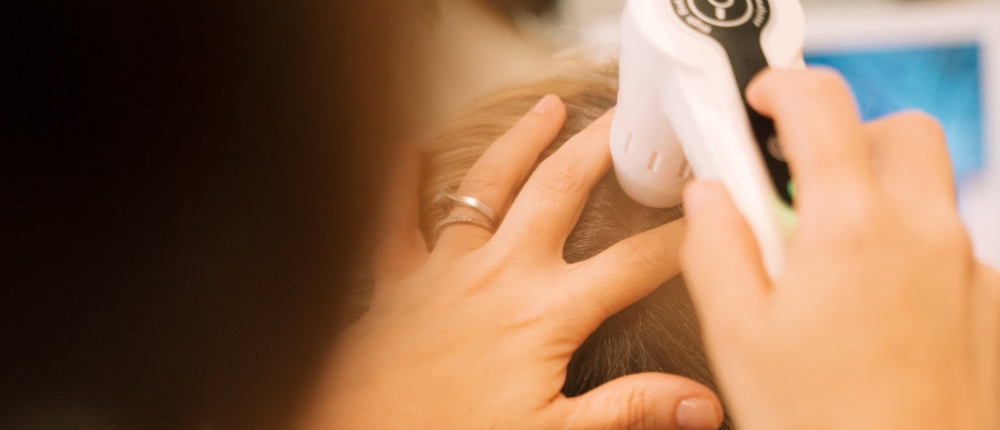
At Tricho Health Clinic, scalp sensitivity is assessed as part of the overall scalp and hair environment. This involves looking at the condition of the scalp, reviewing symptoms, and considering how these may relate to hair changes and lifestyle factors.
By taking a structured approach, it becomes possible to identify patterns and contributing factors, rather than focusing on isolated symptoms. This allows for a more targeted and appropriate way to address ongoing sensitivity.
If you would like to explore this further, you can learn more here: Hair & Scalp Analysis or Scalp Treatments.
Final Thoughts
A burning or tender scalp is not something to ignore, even when there are no visible signs. It is often a signal that the scalp environment may be out of balance, whether due to inflammation, barrier disruption, or other contributing factors.
By paying attention to these symptoms and looking at the scalp as part of a broader picture, it becomes easier to understand what may be happening and take a more informed approach to supporting both scalp comfort and hair health.
Frequently Asked Questions
Why does my scalp feel sore even when I can’t see anything wrong?
A sore or tender scalp without visible signs is often linked to sensitivity within the skin or low-grade inflammation that isn’t obvious on the surface. The scalp contains nerve endings that can become more reactive when the skin barrier is disrupted or when there is underlying irritation. This means you may feel discomfort even when the scalp looks normal, which is why these symptoms should not be dismissed purely because they are not visible.
Can a burning scalp be related to stress?
Yes, stress can play a role in how the body responds to inflammation and sensitivity, including in the scalp. During periods of stress, the body’s inflammatory response may become more active, and the nervous system can become more reactive. This can make the scalp feel more sensitive or uncomfortable, even without changes in products or routine.
Is a tender scalp a sign of hair loss?
A tender scalp is not a direct cause of hair loss, but it can be a sign that the scalp environment is not fully balanced. If sensitivity is linked to inflammation or irritation, it may influence how the hair follicle functions over time. This is why it is important to consider scalp symptoms alongside any changes in hair behaviour rather than looking at them in isolation.
Can hair products cause a burning sensation on the scalp?
Yes, certain products can irritate the scalp, particularly if they are too harsh, not suited to your scalp type, or used too frequently. Over time, this can weaken the scalp barrier and make it more reactive. In some cases, even products that were previously well tolerated may start to cause discomfort if the scalp becomes more sensitive.
Why does my scalp hurt when I move my hair?
This can be due to sensitivity in the scalp combined with tension around the hair follicles. When the scalp is inflamed or irritated, even small movements can stimulate nerve endings and create a sensation of discomfort or soreness. This is often more noticeable when tying hair up, brushing, or changing hairstyles.
Does a sensitive scalp mean I have a scalp condition?
Not always, but it can sometimes be linked to underlying conditions such as seborrhoeic dermatitis or psoriasis. In other cases, it may be related to barrier disruption, product irritation, or stress. Because the causes can vary, it is important to look at the overall pattern rather than assuming a specific condition.
How long does scalp sensitivity usually last?
This depends on the underlying cause. If the sensitivity is linked to temporary irritation, it may resolve relatively quickly. However, if it is connected to ongoing inflammation or imbalance, it may persist until the contributing factors are addressed. This is why a structured approach is often more effective than waiting for symptoms to settle on their own.
What is the best way to manage a burning or tender scalp?
The most effective approach is to understand what may be contributing to the sensitivity rather than trying multiple products or solutions without direction. Looking at factors such as scalp condition, product use, lifestyle influences, and overall health can help identify patterns and guide more appropriate next steps.
You may be also interested in
 https://www.trichohealthclinic.com.au/wp-content/uploads/2026/04/Scalp-Health.jpg
500
1000
admin
https://www.trichohealthclinic.com.au/wp-content/uploads/2026/02/Tricho-Health-Clinic-Logo.png
admin2026-09-22 15:11:422026-08-19 15:12:05Scalp Health and the Hair Growth Environment
https://www.trichohealthclinic.com.au/wp-content/uploads/2026/04/Scalp-Health.jpg
500
1000
admin
https://www.trichohealthclinic.com.au/wp-content/uploads/2026/02/Tricho-Health-Clinic-Logo.png
admin2026-09-22 15:11:422026-08-19 15:12:05Scalp Health and the Hair Growth Environment https://www.trichohealthclinic.com.au/wp-content/uploads/2026/04/Dandruff-vs-Seborrhoeic-Dermititis.jpg
500
1000
admin
https://www.trichohealthclinic.com.au/wp-content/uploads/2026/02/Tricho-Health-Clinic-Logo.png
admin2026-09-17 15:11:182026-08-19 15:11:31Dandruff vs Seborrhoeic Dermatitis: Understanding the Difference
https://www.trichohealthclinic.com.au/wp-content/uploads/2026/04/Dandruff-vs-Seborrhoeic-Dermititis.jpg
500
1000
admin
https://www.trichohealthclinic.com.au/wp-content/uploads/2026/02/Tricho-Health-Clinic-Logo.png
admin2026-09-17 15:11:182026-08-19 15:11:31Dandruff vs Seborrhoeic Dermatitis: Understanding the Difference https://www.trichohealthclinic.com.au/wp-content/uploads/2026/04/Scalp-Inflammation.jpg
500
1000
admin
https://www.trichohealthclinic.com.au/wp-content/uploads/2026/02/Tricho-Health-Clinic-Logo.png
admin2026-09-15 15:10:092026-08-19 15:11:05Scalp Inflammation and Hair Shedding: What’s the Link?
https://www.trichohealthclinic.com.au/wp-content/uploads/2026/04/Scalp-Inflammation.jpg
500
1000
admin
https://www.trichohealthclinic.com.au/wp-content/uploads/2026/02/Tricho-Health-Clinic-Logo.png
admin2026-09-15 15:10:092026-08-19 15:11:05Scalp Inflammation and Hair Shedding: What’s the Link? https://www.trichohealthclinic.com.au/wp-content/uploads/2026/04/Scalp-Psoriasis.jpg
500
1000
admin
https://www.trichohealthclinic.com.au/wp-content/uploads/2026/02/Tricho-Health-Clinic-Logo.png
admin2026-09-09 15:10:082026-08-19 15:10:49Scalp Psoriasis and Hair Density: What Women Should Know
https://www.trichohealthclinic.com.au/wp-content/uploads/2026/04/Scalp-Psoriasis.jpg
500
1000
admin
https://www.trichohealthclinic.com.au/wp-content/uploads/2026/02/Tricho-Health-Clinic-Logo.png
admin2026-09-09 15:10:082026-08-19 15:10:49Scalp Psoriasis and Hair Density: What Women Should Know https://www.trichohealthclinic.com.au/wp-content/uploads/2026/04/Burning-or-tender-scalp.jpg
500
1000
admin
https://www.trichohealthclinic.com.au/wp-content/uploads/2026/02/Tricho-Health-Clinic-Logo.png
admin2026-09-08 15:10:062026-08-19 15:10:34Burning or Tender Scalp: When Sensitivity May Signal Something More
https://www.trichohealthclinic.com.au/wp-content/uploads/2026/04/Burning-or-tender-scalp.jpg
500
1000
admin
https://www.trichohealthclinic.com.au/wp-content/uploads/2026/02/Tricho-Health-Clinic-Logo.png
admin2026-09-08 15:10:062026-08-19 15:10:34Burning or Tender Scalp: When Sensitivity May Signal Something More https://www.trichohealthclinic.com.au/wp-content/uploads/2026/04/Product-Buildup.jpg
500
1000
admin
https://www.trichohealthclinic.com.au/wp-content/uploads/2026/02/Tricho-Health-Clinic-Logo.png
admin2026-08-19 15:10:142026-08-19 15:10:14Product Buildup and Scalp Barrier Disruption
https://www.trichohealthclinic.com.au/wp-content/uploads/2026/04/Product-Buildup.jpg
500
1000
admin
https://www.trichohealthclinic.com.au/wp-content/uploads/2026/02/Tricho-Health-Clinic-Logo.png
admin2026-08-19 15:10:142026-08-19 15:10:14Product Buildup and Scalp Barrier Disruption
